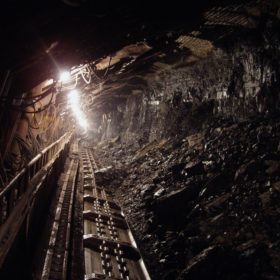
Silicon metal and aluminum industries hit by China power shortages
A combination of booming demand for coal-fired power and a shortage of the black stuff – exacerbated by a political row with Australia – have forced up prices to the extent fossil fuel generators are making a loss on every unit of electricity they produce. pv magazine‘s Vincent Shaw considers the potential solutions.
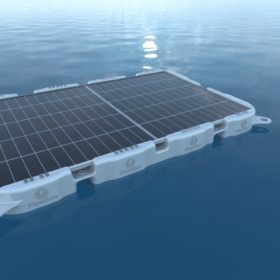
New mounting structure for floating PV
The float can host conventional solar modules with a 120-cell design, a power output of over 400 W, and a weight not exceeding 30kg. It is being developed by South Africa-based Phelan Energy Group, in Dubai.

Scaling finance could drive rooftop solar for small, mid-sized enterprises
Rooftop solar growth in India has largely been driven by a few big, creditworthy organizations in the commercial and industrial sector. However, if accessible financing options are made available, growth can also be replicated in micro, small and medium-sized enterprises, according to a new report.
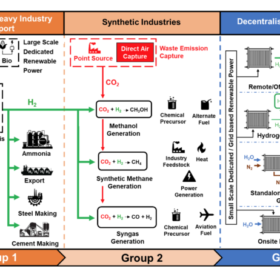
Australian engineer develops tech to produce green ammonia from air, water, PV
Chemical engineer Rose Amal arrived in Australia from Indonesia 38 years ago to study at UNSW. Now her leadership and research are contributing to a new sustainable economy for Australia and clean fuels for energy-hungry industries.
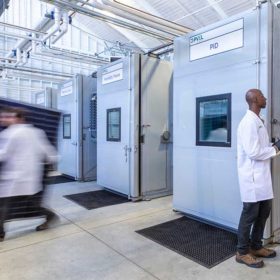
PVEL to offer third-party data for inverters
In the latest edition of its annual publication, PV Evolution Labs shares results from solar panel stress tests focused on specified and verified bills of materials.
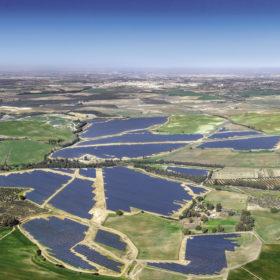
The weekend read: Price cannibalization threatens PV growth
As solar deployment increases, concerns about price cannibalization continue to be more and more relevant. Large-scale solar generation during midday hours may result in curtailment or unprofitable wholesale power prices. As supply increases, the economic viability of solar PV projects could fall into question.
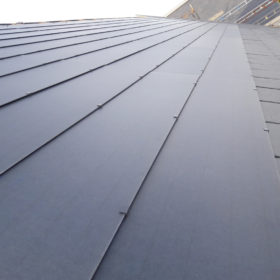
Solar tile with 14.2% efficiency from Denmark
Dansk Solenergi ApS has developed a 13.6 kg tile that can be used for both new buildings and building renovation. The device is currently being produced in Denmark, where the company operates a 40 MW line.
The Hydrogen Stream: Electrolysis tech that can produce hydrogen from virtually any water source including salt water
A Swiss-Canadian consortium is developing a novel process to produce green hydrogen. Furthermore, Italy’s Snam is cooperating with IRENA and a French consortium wants to deploy high-end hydrogen storage systems for the railway sector.
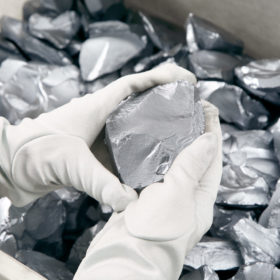
Chinese PV Industry Brief: Rising polysilicon prices, new 5 GW HJT cell factory
Wind power specialist Mingyang Smart Energy has revealed plans to build a 5 GW heterojunction module factory in China’s Jiangsu province, while TBEA has said it intends to raise its majority stake in Xinte Energy from 62% to 67%.

Hybrid fuel cell-battery storage system for solar applications
Scientists in Thailand have built a hybrid system based on a 3 kW fuel cell and a 50 kWh lead-acid battery that is intended for storing solar power. They also sought to identify the best DC coupling voltage between the two devices in order to optimize their combined performance.
