




Like any sector, the renewable energy industry benefits deeply from diversity. I work in an industry that’s historically been very male-dominated, but precisely because of that, I see the incredible potential diversity brings. Renewables are about solving one of humanity’s biggest challenges: building a sustainable future. To do that, we need different perspectives and ways of thinking. We can’t afford to leave out half the population. Diversity isn’t about quotas, it’s about unlocking collective intelligence.
Bringing together different voices creates more resilient, innovative solutions. Diversity, equity, and inclusion (DEI) means actively listening, opening communication channels, and recognising that diverse experiences lead to stronger problem-solving. Our strength comes from our differences, not in spite of them. Our sector is global, and so must be our ideas. Engineers, designers, technicians, communicators, strategists, from all backgrounds, we need them all.
Over the years, I’ve encountered many systemic barriers, especially gender bias. I’ve seen women interrupted on-site, passed over for promotions, or sidelined by policies that ignore work-life balance. Even in communications, a field often seen as more inclusive, gender dynamics remain complex. There’s still sometimes an assumption that women “support” rather than drive core narrative strategies.
I’ve had to prove, again and again, that strategic communication is essential to the energy transition. To challenge that bias, I’ve sought high-impact, one-woman roles that allowed me to shape a holistic view of the field. I’ve also drawn strength from other women who understand these challenges. And when it comes to skepticism, my best response has always been exceptional work.
The industry is shifting, slowly, but steadily. A few years ago, women in leadership were rare. Today, younger generations expect inclusion, and they’re challenging outdated structures and demanding equity. Climate change doesn’t discriminate, so why should we?
As I’ve grown, I’ve learned that authenticity is more powerful than conformity. Traditional leadership models weren’t built for women, and many women thought they had to mimic masculine stereotypes to advance. But we don’t. We can lead in our own way—through empathy, collaboration, and clarity. That’s also what strong leadership looks like.
Mentorship has also played a vital role in my journey. Talking to someone who’s been in your shoes and can validate your experience is priceless. Inspiring role models help us believe in what’s possible. I’ve been lucky to have those people, and I do my best to be that person for others.
I’ve always cared deeply about equality. Inclusion, to me, means treating everyone with respect, and calling out disrespect when it happens. Sometimes, people don’t realize the impact of their words or actions until it’s gently pointed out. Those small moments of awareness can create real change.
Driving DEI at an executive level isn’t easy. Traditional leadership structures tend to resist change, and I’ve heard people say that gender quotas are “unfair”. But with the WEF estimating gender parity is still more than a century away, we need legal frameworks and proactive policies now, not later.
Technical roles remain male-dominated for the time being. Still, I’m hopeful. Change takes time. More girls are pursuing STEM careers, and younger professionals are more vocal and less tolerant of gender-based limitations. These shifts are the result of decades of work.
I’ve seen the power of allyship, too. In my first comms job, a team leader ensured I had a voice, even as the youngest person in the room. I’ve had male colleagues acknowledge my work, recommend me for projects, and step in when I was being interrupted. These moments matter more than we realize.
If companies want to retain diverse talent, they need to offer safe spaces. When employees feel supported, they bring their full energy and creativity to work. Burnout helps no one. The most forward-thinking companies know this.
To young women entering this field: be confident. Your voice, your skills, and your perspective are needed. Ask questions. Take up space. Everyone feels impostor syndrome, yes, even CEOs. You’re not a quota. You earned your place.
And finally, real progress happens when everyone is involved. Gender equality isn’t just a women’s issue. Men must be invited to join the conversation, listening, learning, challenging their own assumptions, and becoming allies. That’s how we move forward. Together.
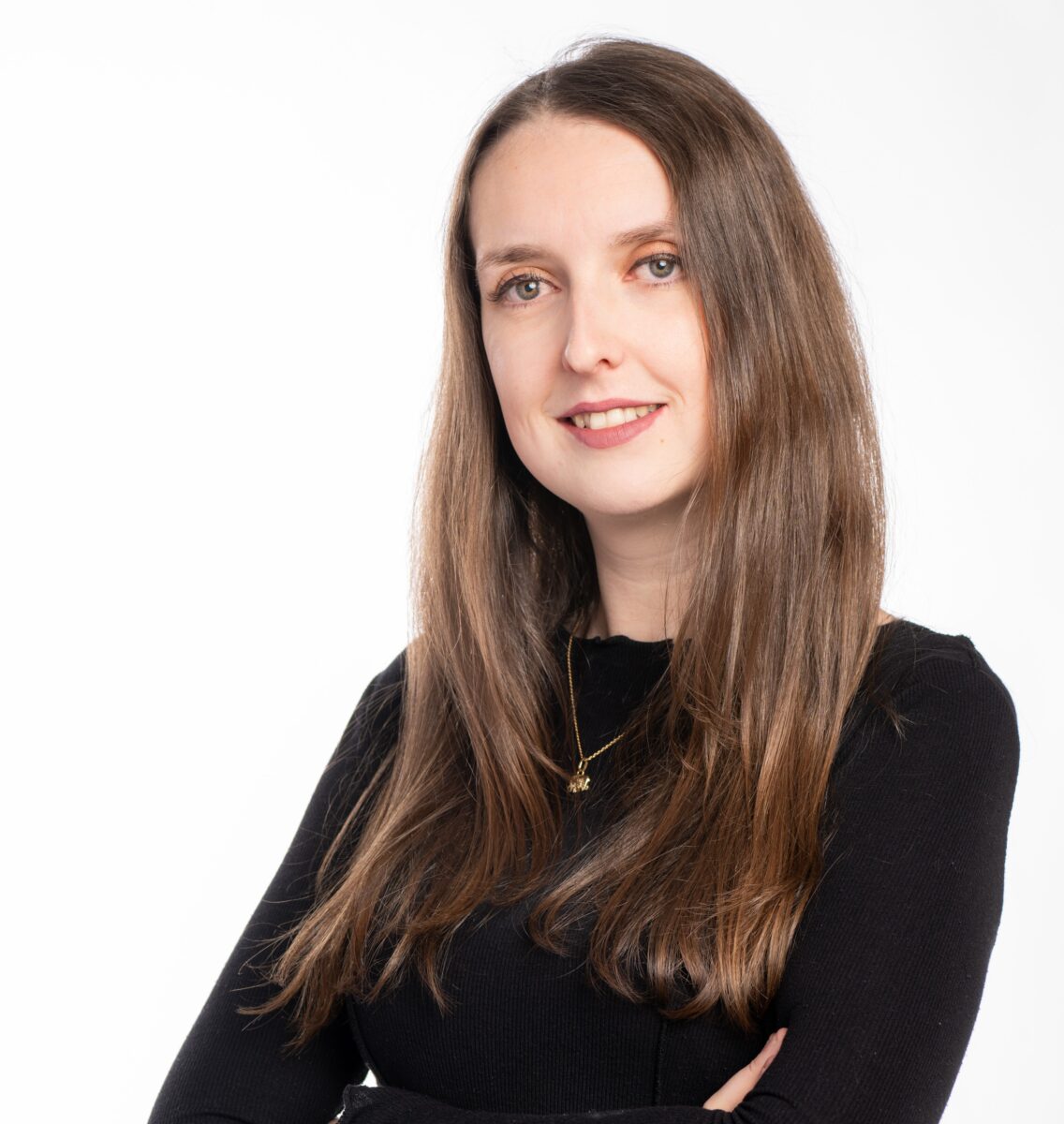
Jodie Brush is a communications professional with an international background. Though British by birth, she has called Spain home since the age of eleven, embodying a unique blend of cultural perspectives. With over eight years of experience, she is an expert in corporate communications, specializing in clean energy and Environmental, Social, and Governance (ESG) strategies. A journalism graduate from the University of Murcia, Jodie is passionate about international, multicultural work environments and driving gender equality in professional spaces. Her global mindset and commitment to sustainable communication enable her to create compelling narratives that transcend cultural boundaries.
Interested in joining Jodie Brush and other women industry leaders and experts at Women in Solar+ Europe? Find out more: www.wiseu.network
The views and opinions expressed in this article are the author’s own, and do not necessarily reflect those held by pv magazine.
This content is protected by copyright and may not be reused. If you want to cooperate with us and would like to reuse some of our content, please contact: editors@pv-magazine.com.

By submitting this form you agree to pv magazine using your data for the purposes of publishing your comment.
Your personal data will only be disclosed or otherwise transmitted to third parties for the purposes of spam filtering or if this is necessary for technical maintenance of the website. Any other transfer to third parties will not take place unless this is justified on the basis of applicable data protection regulations or if pv magazine is legally obliged to do so.
You may revoke this consent at any time with effect for the future, in which case your personal data will be deleted immediately. Otherwise, your data will be deleted if pv magazine has processed your request or the purpose of data storage is fulfilled.
Further information on data privacy can be found in our Data Protection Policy.