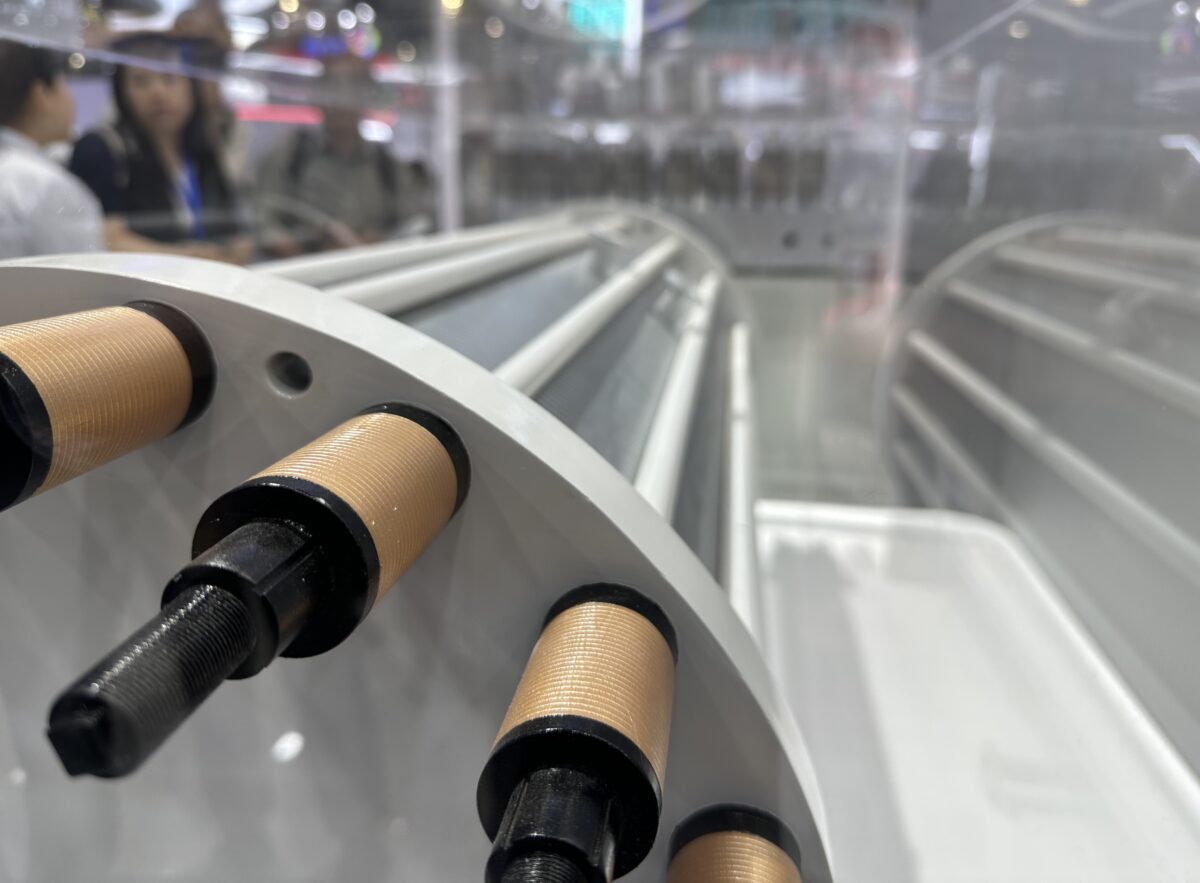





The Netherlands Enterprise Agency (RVO) has awarded a share of more than €700 million to 11 hydrogen projects.
The funding comes from the second round of the country’s subsidy scheme for large-scale hydrogen production using electrolyzers (OWE), aimed at companies building units of 0.5 MW or larger that produce sustainable hydrogen.
Nearly €1 billion of subsidies were available under this round, with RVO receiving applications totaling more than €3.2 billion.
The 11 selected projects have about 602 MW of combined electrolyzer capacity – three times the size of the largest hydrogen plant currently under construction in the Netherlands.
Hydrogen produced under these projects will help refineries, the chemical industry, and fuel stations reduce CO₂ emissions. The companies have until mid-2030 to complete their projects.
According to RVO, the average subsidy for the 11 winning projects is €1.78 million/MW of electrolyzer capacity. It claimed it ranks applicants based on the subsidy requested per megawatt and considers previously received subsidies. “This creates competition between projects and ensures that the most cost-efficient projects receive funding,” said RVO.
This content is protected by copyright and may not be reused. If you want to cooperate with us and would like to reuse some of our content, please contact: editors@pv-magazine.com.



By submitting this form you agree to pv magazine using your data for the purposes of publishing your comment.
Your personal data will only be disclosed or otherwise transmitted to third parties for the purposes of spam filtering or if this is necessary for technical maintenance of the website. Any other transfer to third parties will not take place unless this is justified on the basis of applicable data protection regulations or if pv magazine is legally obliged to do so.
You may revoke this consent at any time with effect for the future, in which case your personal data will be deleted immediately. Otherwise, your data will be deleted if pv magazine has processed your request or the purpose of data storage is fulfilled.
Further information on data privacy can be found in our Data Protection Policy.