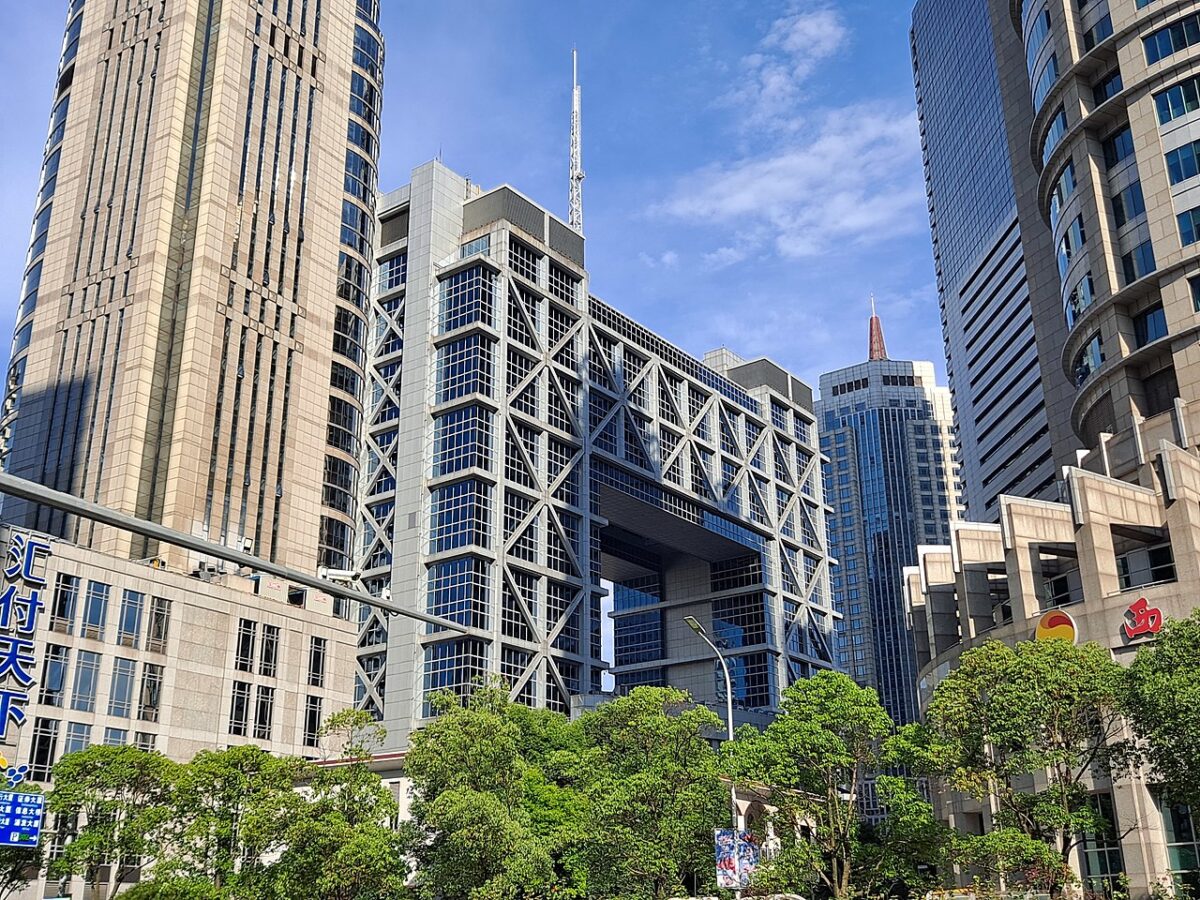





Longi has reported a net loss of CNY 2.56 billion ($356 million) for the first half of 2025, a significant improvement from the CNY 5.23 billion loss recorded in the same period last year. The company's revenue declined by 14.83% year-on-year to CNY 32.813 billion. Gross margin turned negative at -0.82%, a sharp drop from 7.66% a year ago. Solar module products saw a gross margin of -2.37%, while power plant operations remained the only profitable segment with a gross margin of 14.42%. Other business lines posted a margin of 30.19%. The company shipped 39.57 GW of solar modules, up 26% from the previous year, with BC products (HPBC 2.0 and HIBC) accounting for over 20% of shipments. HPBC 2.0 shipments reached around 4 GW. Wafer shipments increased by 17% to 52.08 GW, of which 24.72 GW were for external sales. N-type TaiRay wafers achieved a penetration rate of 90%. LONGi’s in-house BC cell capacity reached 24 GW, with a target to exceed 60% of total high-efficiency capacity by the end of 2025. The company reduced its combined sales and administrative expenses by 28.9% to CNY 2.18 billion, while R&D investment fell by 58.6% to CNY 751 million. Chairman Zhong Baoshen expressed confidence that the company’s core business would likely reach a break-even point in the fourth quarter.
JinkoSolar has reported a net loss of CNY 2.90 billion for the first half of 2025, a sharp reversal from a profit of CNY 1.2 billion in the same period last year. Revenue dropped 32.63% year-on-year to CNY 31.831 billion. Gross margin was negative at -2.01%, down 10.57 percentage points. The gross margin for its module business was -0.98%. Module shipments rose 17% to 41.84 GW. The company plans to upgrade 40%-50% of its capacity to over 640W power modules by the end of 2025. Energy storage system shipments reached 1.5GWh, surpassing the total for all of 2024, with a full-year target of 6 GWh. R&D investment decreased by 56.95% to CNY 1.175 billion, representing 3.69% of total revenue. Management anticipates full-year module shipments to be between 85 GW and 100 GW.
JA Solar has posted a net loss of CNY 2.58 billion for the first half of 2025, widening from a loss of CNY 874 million a year ago. Revenue decreased by 36.01% year-on-year to CNY 23.905 billion. Module shipments increased by approximately 15% to 33.79 GW, with N-type modules accounting for over 98%. Gross margin was -3.53%, a decline of 7.4 percentage points. The company's sales and administrative expenses fell by 6.32% and 16.82% respectively, while R&D investment was CNY 1.38 billion (5.81% of revenue), down 29.14%. Management expects gross margin to turn positive in the fourth quarter as module prices stabilize, with a full-year shipment target of 75-80 GW.
Trina Solar has reported a net loss of CNY 2.91 billion for the first half of 2025, compared to a profit of CNY 526 million a year earlier. Revenue declined by 27.72% to CNY 31.05 billion. Revenue from its PV products was CNY 20.08 billion (64.66% of total revenue), down 33.19%, with a gross margin of -2.49%. The company's sales and administrative expenses were down by 4.73% and 14.11% respectively. R&D investment grew by 6.60% to CNY 2.262 billion (7.28% of revenue). Module shipments exceeded 32 GW, an increase of about 12%. Cumulative energy storage system shipments surpassed 12GWh, with overseas deliveries exceeding 1GWh. The energy storage business generated CNY 1.28 billion in revenue, accounting for 4.14% of the total. Management projects gross margin to return to positive territory in the fourth quarter, with a full-year shipment target of 75-80 GW.
Xinte Energy has announced its unaudited results for the six months ended 30 June 2025. Revenue was CNY 7.31 billion, down 37.74% from the CNY 11.74 billion generated in the corresponding period last year. The loss attributable to shareholders of the listed company was CNY 256.3 million, an improvement compared to a CNY 887 million loss in the same period last year.
Solargiga said its unaudited consolidated revenue for the six months ended 30 June 2025 was CNY 1.02 billion, down from CNY 1.69 billion for the same period last year. A loss of CNY 113.9 million was reported, up compared to a loss of CNY 104 million for the same period in the previous year.
The China Nonferrous Metals Industry Association (CNMIA) has announced the latest polysilicon prices. Polysilicon prices rose across the board this week. The average transaction price for N-type raw material was CNY 49,000 per ton, a 2.30% increase week-on-week. N-type compact material and granular silicon prices also saw weekly increases of 2.70% and 2.13% respectively. On September 4, wafer prices continued to rise, with the average transaction price for N-type G10L monocrystalline wafers increasing by 2.40% week-on-week to CNY 1.28 per piece. N-type G12R and G12 wafers also saw increases of 0.73% and 1.91%, respectively. The association noted a slight increase in overall operating rates, with two top-tier firms operating at 52% and 50%, while integrated companies ran at 54%-80% capacity.
The National Energy Administration (NEA) said that the average utilization rate for solar power in China was 94.7% from January to July 2025. In July, only four provinces – Gansu, Qinghai, Xinjiang, and Tibet—had solar utilization rates below 90%, with most central and eastern regions exceeding 99%.
This content is protected by copyright and may not be reused. If you want to cooperate with us and would like to reuse some of our content, please contact: editors@pv-magazine.com.

By submitting this form you agree to pv magazine using your data for the purposes of publishing your comment.
Your personal data will only be disclosed or otherwise transmitted to third parties for the purposes of spam filtering or if this is necessary for technical maintenance of the website. Any other transfer to third parties will not take place unless this is justified on the basis of applicable data protection regulations or if pv magazine is legally obliged to do so.
You may revoke this consent at any time with effect for the future, in which case your personal data will be deleted immediately. Otherwise, your data will be deleted if pv magazine has processed your request or the purpose of data storage is fulfilled.
Further information on data privacy can be found in our Data Protection Policy.