




From pv magazine India
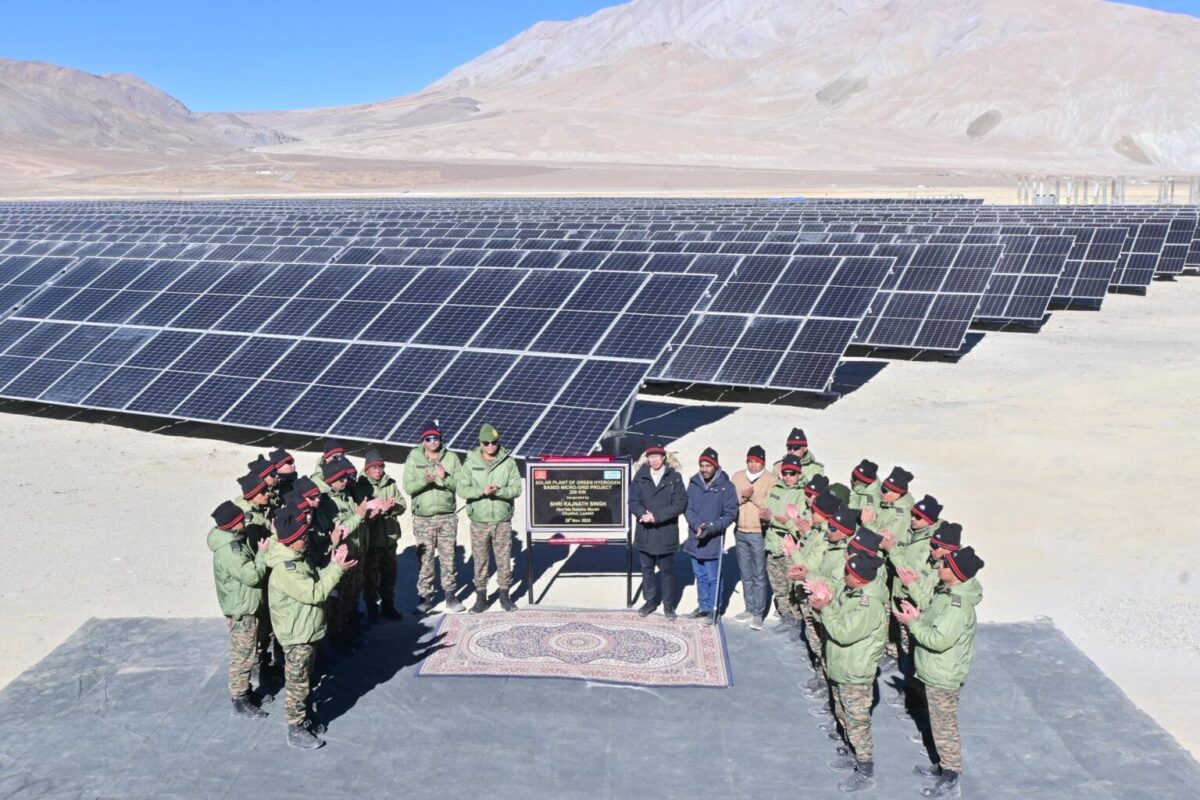
Indian state-owned power producer NTPC announced it inaugurated a 3.7 MW solar plant that is a key component of the solar–hydrogen–battery energy storage system (BESS)-based microgrid project in Chushul, Ladakh, northern India.
The project was jointly developed by NTPC and the Indian Army. The microgrid comprises a 3.7 MW solar PV plant for supplying power to the 200 kW load and for hydrogen production, a proton exchange membrane (PEM) electrolyser for hydrogen generation, hydrogen storage facilities, a battery energy storage system (BESS) for short-duration continuous power supply and emergency operation, and a fuel cell system capable of generating 200 kW of electrical power.
NTPC noted that the project was commissioned in a record eight months despite the challenging, high-altitude terrain.
The solar–hydrogen-based microgrid will replace diesel generator sets currently used at remote Army locations, reducing carbon emissions and enabling a cleaner, more reliable energy supply for the region. By supporting local production and use of green energy, the project removes the need to transport fuel from the plains, strengthening energy security and easing logistical burdens, the Indian utility said.
For every three units of power generated, one litre of diesel otherwise transported to these remote Himalayan posts will be avoided.
“NTPC has designed a stand-alone microgrid using hydrogen as the storage medium to supply 200 kW of power at any time of the day, throughout the year. Located at an altitude of 4,500 m, where winter temperatures dip to –40 C, this is the world’s most unique project of its kind,” the company stated. “Once fully operational, it is expected to mark a major step towards decarbonising the defence sector in high-altitude regions.”
This content is protected by copyright and may not be reused. If you want to cooperate with us and would like to reuse some of our content, please contact: editors@pv-magazine.com.



By submitting this form you agree to pv magazine using your data for the purposes of publishing your comment.
Your personal data will only be disclosed or otherwise transmitted to third parties for the purposes of spam filtering or if this is necessary for technical maintenance of the website. Any other transfer to third parties will not take place unless this is justified on the basis of applicable data protection regulations or if pv magazine is legally obliged to do so.
You may revoke this consent at any time with effect for the future, in which case your personal data will be deleted immediately. Otherwise, your data will be deleted if pv magazine has processed your request or the purpose of data storage is fulfilled.
Further information on data privacy can be found in our Data Protection Policy.