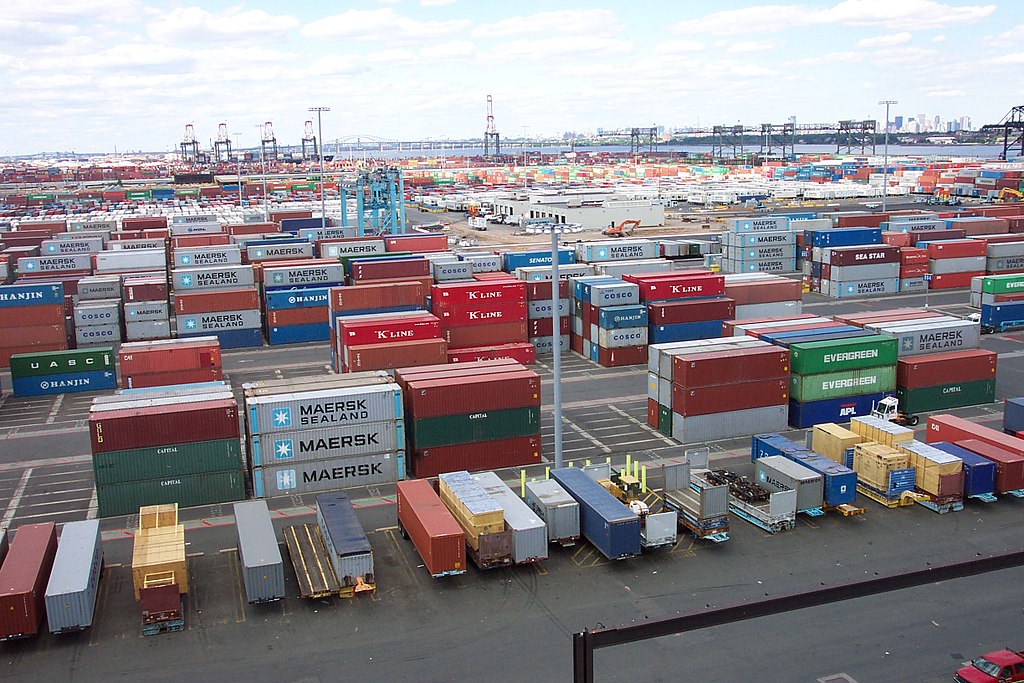





The Iraqi Customs Authority has reduced customs duties on solar energy systems from 33% to 5% as part of a bid to encourage greater uptake of solar. It said the new tariff reductions will include PV panels, as well as cables, inverters, and lithium batteries.
The decision to reduce tariffs on solar PV components has already been circulated to all customs centers and is now in force, according to a report from the state-run Iraqi News Agency.
“A letter was sent to the national team to implement the automation project, specifying the symbol and percentage of the customs drawing of solar energy supplies, equipment and panels,” the Director General of the Customs Authority, Thamer Qassim, told the Iraqi News Agency.
This development follows early February's move by Iraq’s Central Bank to grant loans worth IQD 6 billion ($4.6 million) for solar energy systems.
Rafal Hussein, Director of Initiatives at the Central Bank told the Iraqi News Agency on Feb 3 that “financing for the purchase of solar panels remains open until the allocated funds are exhausted, and higher demand for loans is expected during 2026.”
Despite its high irradiance levels, Iraq does not have a very strong solar sector. Its cumulative solar capacity was just 42 MW at the end of 2024, according to 2025 data from the International Renewable Energy Agency (IRENA).
Hussein told the Iraqi News Agency that “the low demand for clean energy sources is due to weak awareness and societal culture, and work must be done on several fronts to increase public awareness about the importance of shifting toward alternative energy sources.”
However, progress is being made slowly. Projects announced in 2025, including the completion of the 22 MW first phase of the Karbala solar plant in central Iraq in September 2025, could offer a boost. As Iraq’s biggest solar plant to date, Karbala will eventually reach a capacity of 300 MW.
TotalEnergies is also building a 1 GW solar project in the south, while UGT Renewables is developing a 3 GW solar farm as part of a deal with the federal government which also includes 500 MWh of energy storage.
In May 2025, Iraq inaugurated a 2 MW solar array at a government building to showcase the benefits of renewable energy. The installation was part of Iraq’s public sector sector’s plan to increase its uptake of clean energy, with the Prime Minister’s office stating at the time that government institutions and facilities account for nearly 30% of Iraq’s total electricity production.
This content is protected by copyright and may not be reused. If you want to cooperate with us and would like to reuse some of our content, please contact: editors@pv-magazine.com.


By submitting this form you agree to pv magazine using your data for the purposes of publishing your comment.
Your personal data will only be disclosed or otherwise transmitted to third parties for the purposes of spam filtering or if this is necessary for technical maintenance of the website. Any other transfer to third parties will not take place unless this is justified on the basis of applicable data protection regulations or if pv magazine is legally obliged to do so.
You may revoke this consent at any time with effect for the future, in which case your personal data will be deleted immediately. Otherwise, your data will be deleted if pv magazine has processed your request or the purpose of data storage is fulfilled.
Further information on data privacy can be found in our Data Protection Policy.