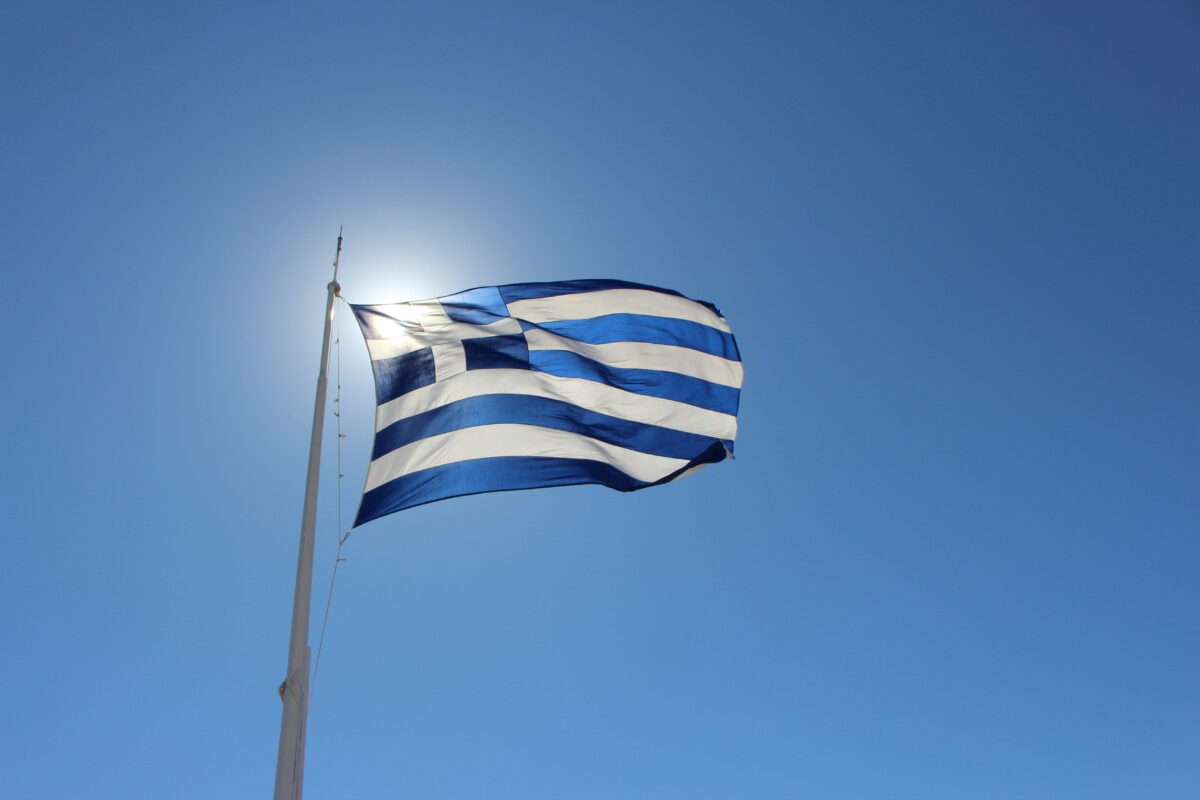





Greece installed approximately 1,893.5 MW of new PV capacity in 2025, according to estimates provided to pv magazine by the Hellenic Association of Photovoltaic Companies (Helapco).
Of this total, Helapco said 1,191 MW connected to Greece’s electricity transmission grid, while 702.5 MW was linked to the distribution grid.
The release of official data later this year is not expected to significantly alter the figures. Greece therefore appears to have added about 678.5 MW less capacity than in 2024, when PV installations reached 2,572 MW.
Cumulative installed solar capacity reached approximately 11.5 GW by the end of 2025.
Helapco policy officer Stelios Psomas said an additional 800 MW of PV capacity was installed in 2025 but has not yet been connected to the grid. These projects are awaiting electrification, which is expected to take place in 2026.
Grid connection delays are a well-documented issue in Greece, mainly due to constraints at the distribution network level. Projects are not penalized for missing connection deadlines and retain their awarded feed-in or premium tariffs. However, investors do not receive compensation for the period during which projects are installed but not yet connected due to network limitations.
Greece’s 2025 PV additions span multiple market segments.
One segment continuing to deliver new capacity is small-scale PV projects supported by feed-in tariff contracts. Although this policy largely ended in 2024, requiring projects to participate in competitive auctions, Psomas told pv magazine that some projects – typically below 400 kW and located in areas such as Kozani, Florina, Evia, and Crete – remain eligible under an extension running until Aug. 31, 2026. Helapco is awaiting official data from the distribution grid operator to determine how much capacity from this segment was installed in 2025.
Self-consumption systems added about 270 MW in 2025, primarily under the now-phased-out net metering scheme. Greece has since shifted to a net billing framework. By the end of 2025, applications for around 350 MW of net billing systems had been submitted, but only 2% had been installed, with most projects awaiting grid connection terms. Helapco continues to call for a more supportive policy framework to support self-consumption market dynamics.
The remaining capacity additions came from merchant projects selling electricity directly into the market without fixed-price remuneration such as feed-in tariffs or power purchase agreements (PPAs), leaving them fully exposed to market risks.
By contrast, the PPA segment has yet to develop. Although the Greek government has allocated grid capacity for such projects, connection terms remain undefined, limiting progress.
Psomas said the Greek PV market is expected to continue growing in 2026, with higher additions than in 2025. However, he said the market is undergoing a transition driven by rising solar curtailment and an increase in zero or negative electricity prices. He added that Greece urgently needs energy storage. Policy frameworks for energy storage are in place, but there is uncertainty about the speed of implementation.
This content is protected by copyright and may not be reused. If you want to cooperate with us and would like to reuse some of our content, please contact: editors@pv-magazine.com.

By submitting this form you agree to pv magazine using your data for the purposes of publishing your comment.
Your personal data will only be disclosed or otherwise transmitted to third parties for the purposes of spam filtering or if this is necessary for technical maintenance of the website. Any other transfer to third parties will not take place unless this is justified on the basis of applicable data protection regulations or if pv magazine is legally obliged to do so.
You may revoke this consent at any time with effect for the future, in which case your personal data will be deleted immediately. Otherwise, your data will be deleted if pv magazine has processed your request or the purpose of data storage is fulfilled.
Further information on data privacy can be found in our Data Protection Policy.