




From ESS News
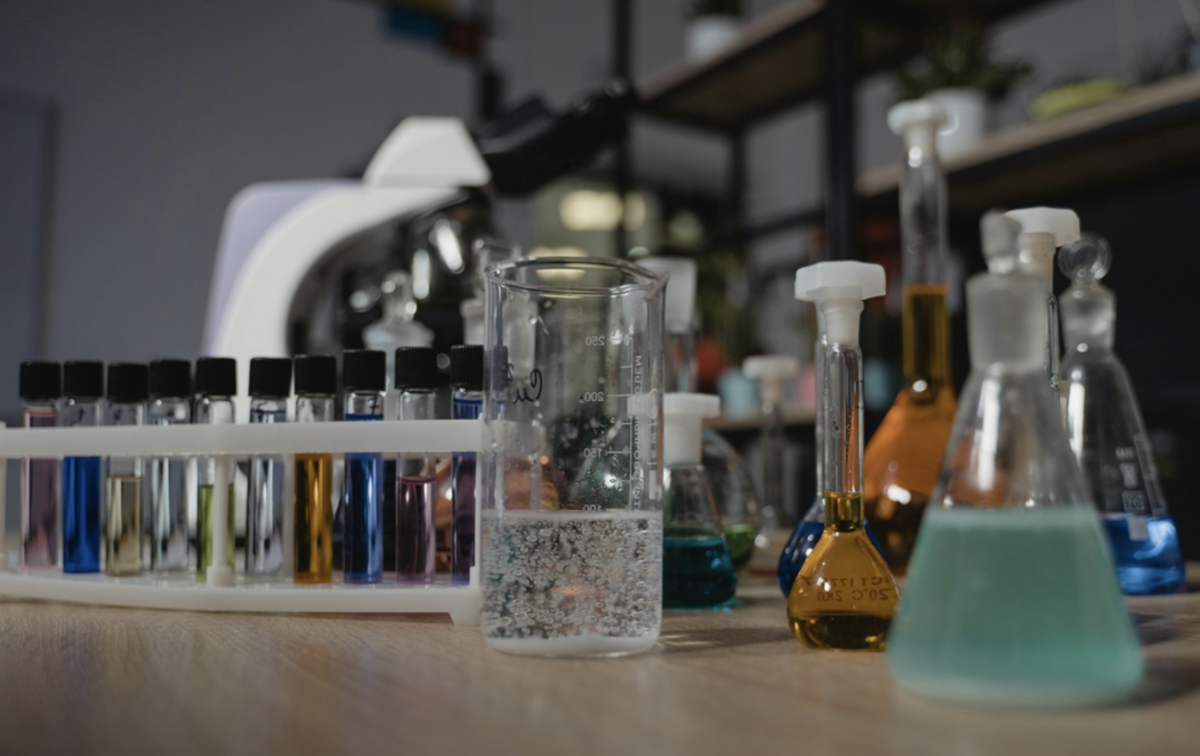
A research team led by Nankai University and the Shanghai Institute of Space Power-Sources has reported a hydrofluorocarbon (HFC) electrolyte that enabled lithium-metal pouch batteries with energy density above 700 Wh/kg while maintaining operation at temperatures down to -70 C.
The findings were published in Nature on Feb. 25 in a paper titled “Hydrofluorocarbon electrolytes for energy-dense and low-temperature batteries.”
The advance centers on electrolyte chemistry. The researchers moved away from conventional oxygen-coordinated carbonate systems and instead developed a fluorine-coordinated electrolyte based on monofluorinated alkane solvents. Using 1,3-difluoropropane (DFP) as a core solvent, they achieved lithium salt dissolution above 2 mol/L, challenging assumptions about the solubility limits of fluorinated hydrocarbons.
To continue reading, please visit our ESS News website.
This content is protected by copyright and may not be reused. If you want to cooperate with us and would like to reuse some of our content, please contact: editors@pv-magazine.com.

By submitting this form you agree to pv magazine using your data for the purposes of publishing your comment.
Your personal data will only be disclosed or otherwise transmitted to third parties for the purposes of spam filtering or if this is necessary for technical maintenance of the website. Any other transfer to third parties will not take place unless this is justified on the basis of applicable data protection regulations or if pv magazine is legally obliged to do so.
You may revoke this consent at any time with effect for the future, in which case your personal data will be deleted immediately. Otherwise, your data will be deleted if pv magazine has processed your request or the purpose of data storage is fulfilled.
Further information on data privacy can be found in our Data Protection Policy.