Markets & Policy

In highly regulated energy markets, policy decisions can make or break new technologies, strategies, and even entire industries.
Support from policymakers, in the form of procurement exercises, priority dispatch, tax incentives and a wealth of other instruments, has been vital to the global solar industry’s success, and new mechanisms to support growth in energy storage are an increasingly important part of the story today.
Advertisement
Latest News

Socket to the sun
Ten states in the United States have passed laws permitting plug-in solar, with more to follow imminently. Low-income households, renters and temporary workers under pressure from high electricity bills are welcoming plug-in solar as a low-cost, portable and convenient solution. Precise business models have yet to emerge and there are technical and regulatory teething problems to address, as industry figures tell pv magazine.
Oct 05, 2026
Advertisement
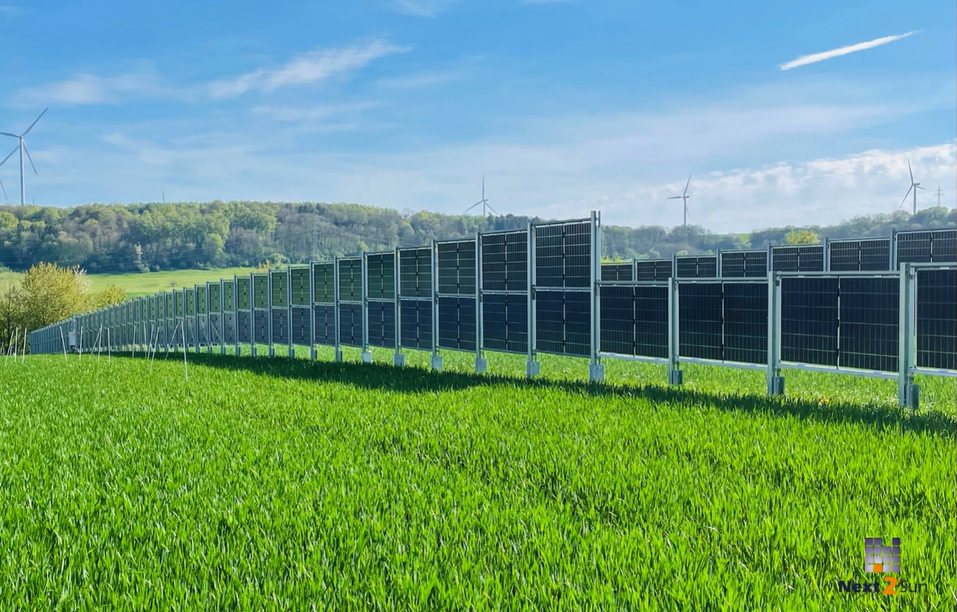
Next2Sun files for insolvency for two subsidiaries
German vertical PV specialist Next2Sun has filed for self-administered insolvency proceedings for two subsidiaries after failing to secure €5 million in fresh capital. The company says project development activities will continue, while it seeks new investors and explores restructuring options.
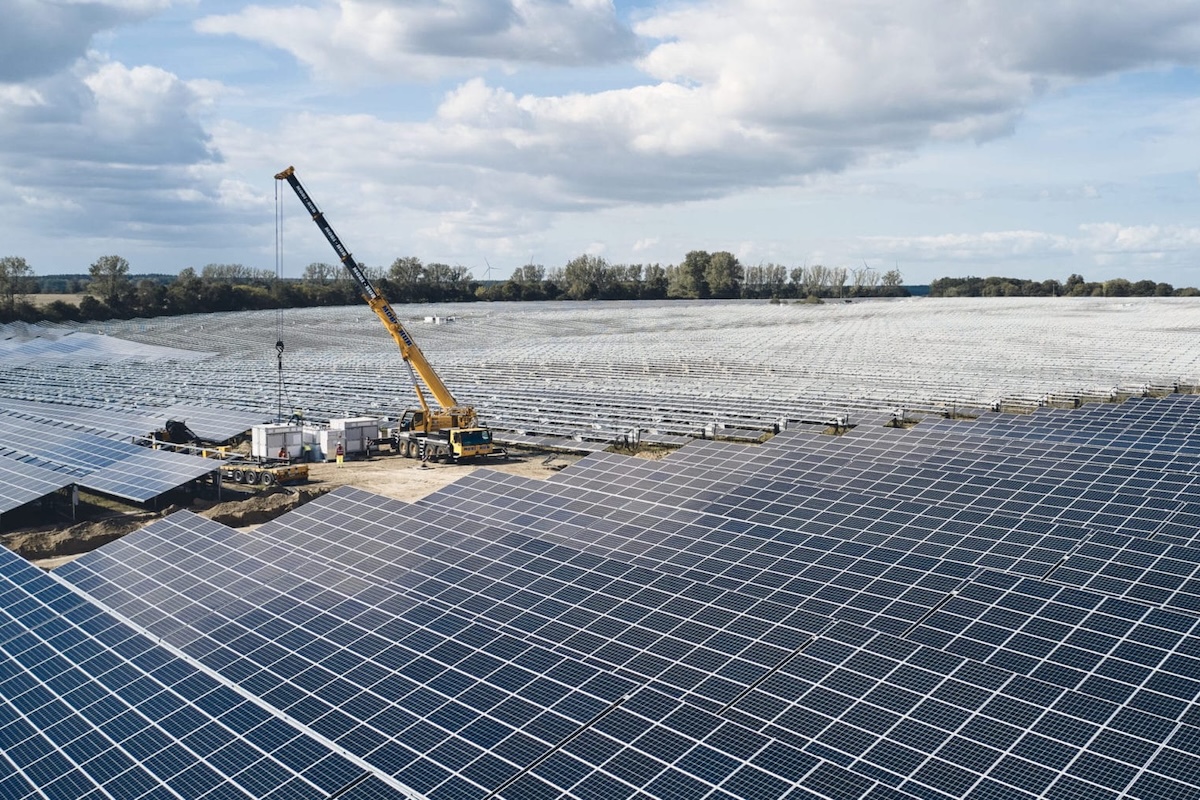
Enerparc attracts more than 100 potential investors as insolvency sale moves forward
More than 100 potential investors have expressed interest in insolvent German solar developer Enerparc, with initial bids already submitted and a first transaction targeted for December. The sale could include solar portfolios, project pipelines and key subsidiaries, while financing challenges and potential creditor losses remain unresolved.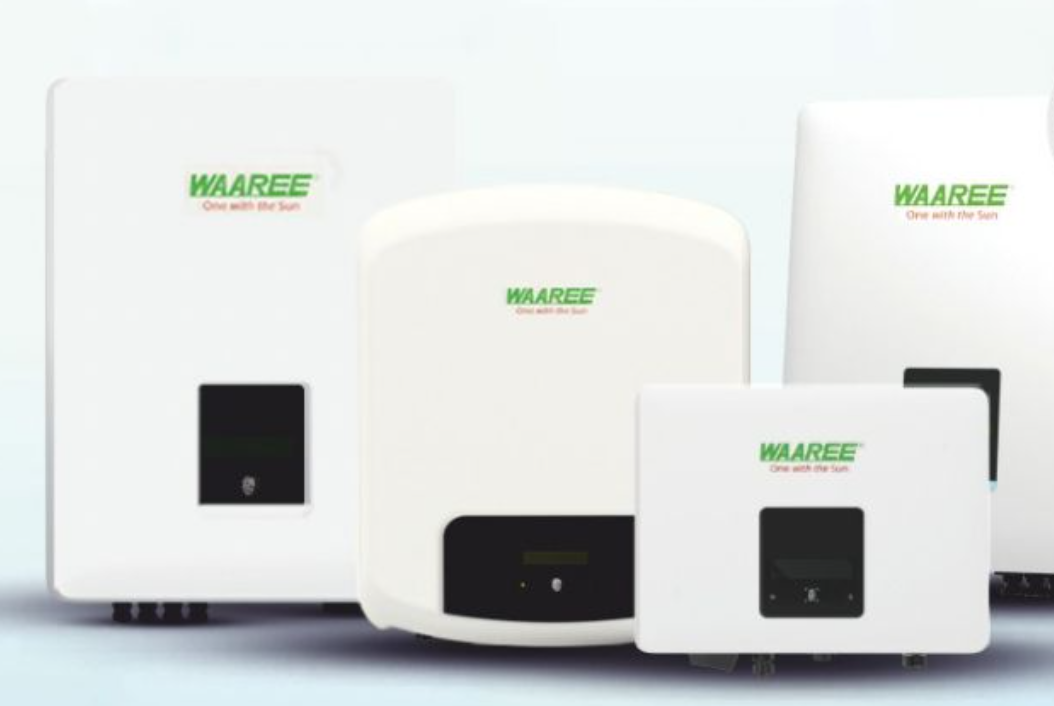
Waaree Power ramps up string inverter manufacturing capacity to 4.15 GW
Waaree Energies’ subsidiary Waaree Power has commenced commercial production on a new solar inverter manufacturing line with an annual capacity of 1.1 GW at its facility in Sarodhi, Valsad, Gujarat. The expansion takes Waaree Power’s total string inverter manufacturing capacity to 4.15 GW.
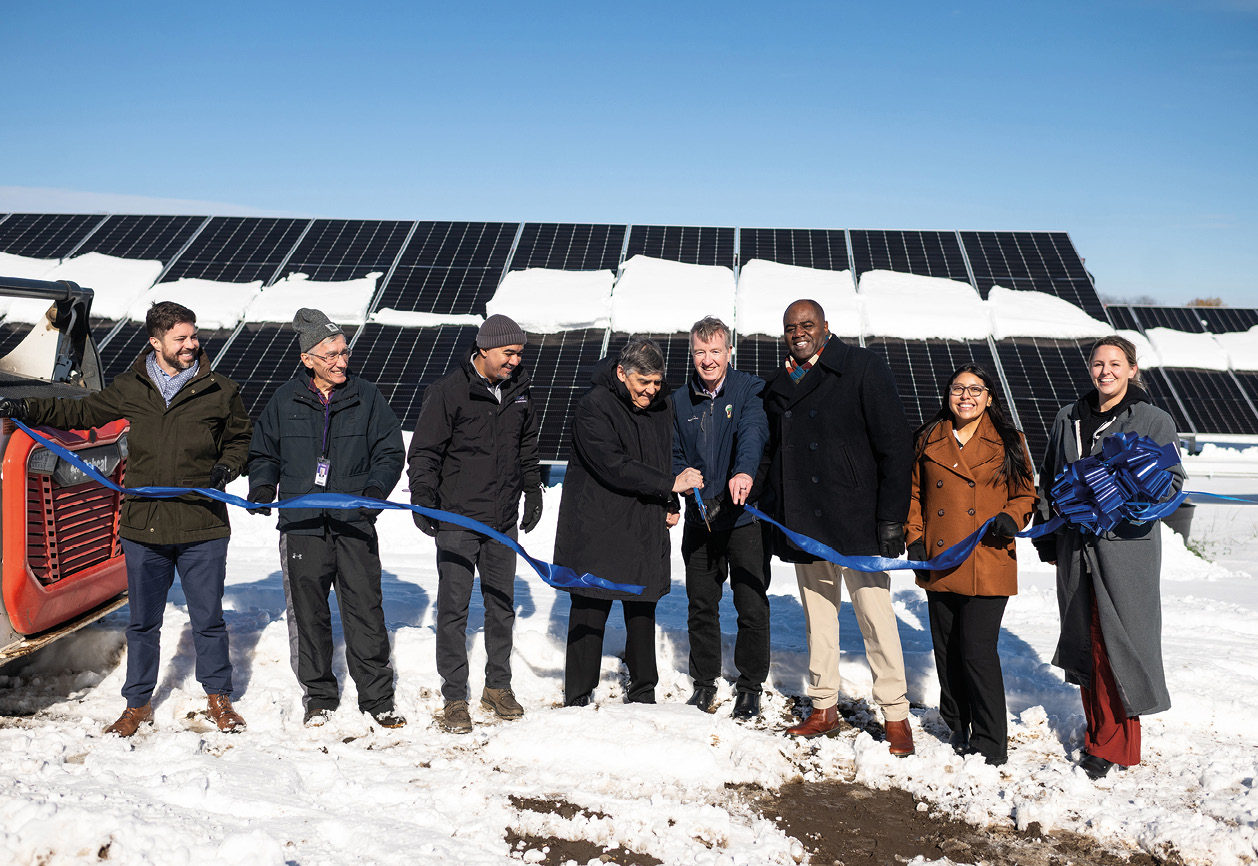
Middle market momentum
The rollback of policies favoring renewable energy deployment in the United States is contributing to an energy affordability crisis in many communities, according to Jon Powers, president of Clean Capital, a US independent power producer (IPP) active in the distributed generation segment. He spoke with pv magazine to warn fellow industry veterans that now is the time to ramp up solar deployment advocacy as elections loom and energy prices become a bipartisan issue.
Advertisement
Advertisement
All Markets & Policy news
Next2Sun files for insolvency for two subsidiaries
German vertical PV specialist Next2Sun has filed for self-administered insolvency proceedings for two subsidiaries after failing to secure €5 million in fresh capital. The company says project development activities will continue, while it seeks new investors and explores restructuring options.
Enerparc attracts more than 100 potential investors as insolvency sale moves forward
More than 100 potential investors have expressed interest in insolvent German solar developer Enerparc, with initial bids already submitted and a first transaction targeted for December. The sale could include solar portfolios, project pipelines and key subsidiaries, while financing challenges and potential creditor losses remain unresolved.
Advertisement
Waaree Power ramps up string inverter manufacturing capacity to 4.15 GW
Waaree Energies’ subsidiary Waaree Power has commenced commercial production on a new solar inverter manufacturing line with an annual capacity of 1.1 GW at its facility in Sarodhi, Valsad, Gujarat. The expansion takes Waaree Power’s total string inverter manufacturing capacity to 4.15 GW.
Socket to the sun
Ten states in the United States have passed laws permitting plug-in solar, with more to follow imminently. Low-income households, renters and temporary workers under pressure from high electricity bills are welcoming plug-in solar as a low-cost, portable and convenient solution. Precise business models have yet to emerge and there are technical and regulatory teething problems to address, as industry figures tell pv magazine.
Advertisement
Middle market momentum
The rollback of policies favoring renewable energy deployment in the United States is contributing to an energy affordability crisis in many communities, according to Jon Powers, president of Clean Capital, a US independent power producer (IPP) active in the distributed generation segment. He spoke with pv magazine to warn fellow industry veterans that now is the time to ramp up solar deployment advocacy as elections loom and energy prices become a bipartisan issue.
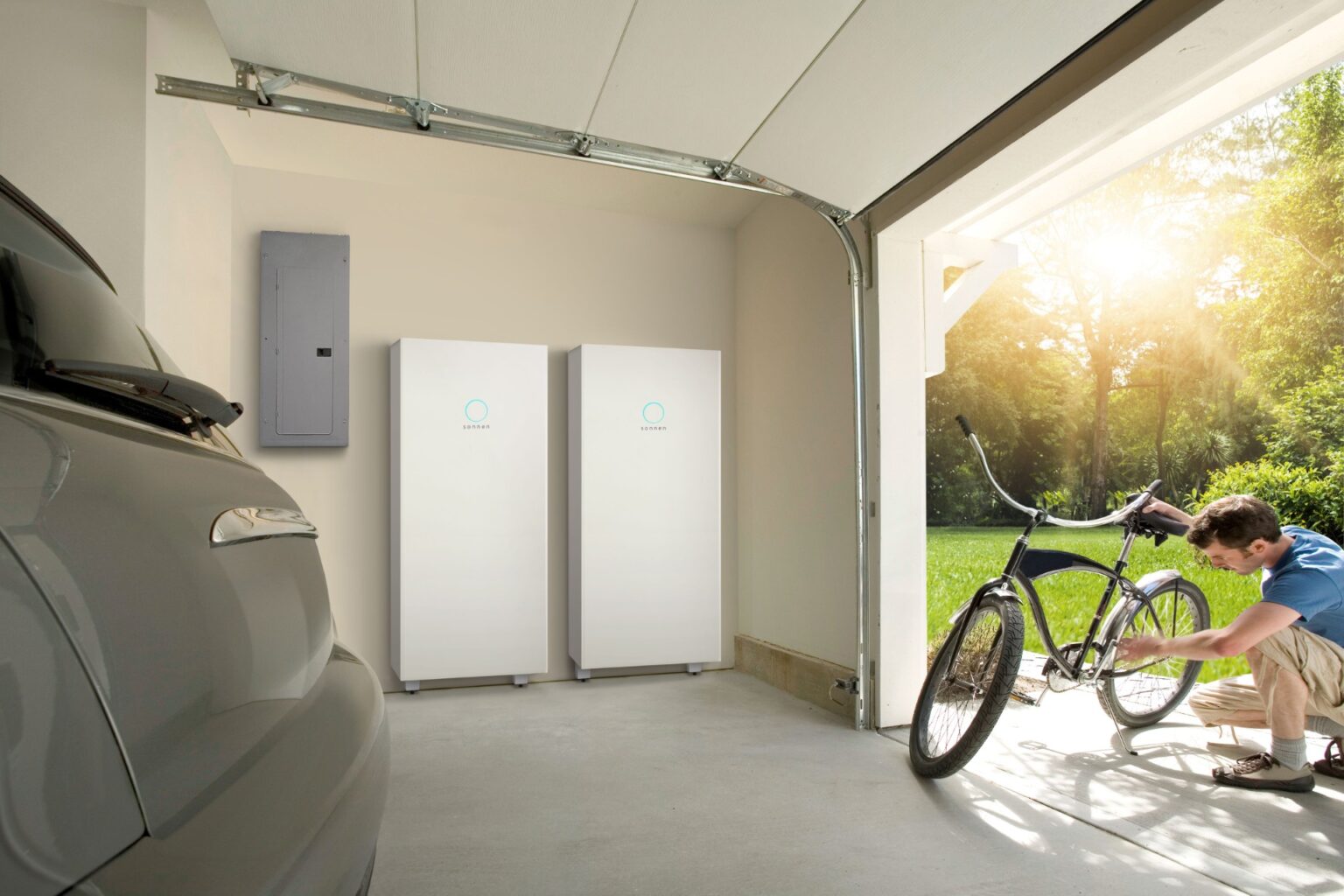
Germany approves rules for storage, bidirectional charging
Germany’s Federal Network Agency (Bundesnetzagentur) has approved rules for the market integration of electricity storage systems and charging points (MiSpeL), allowing batteries to combine renewable and grid electricity while preserving support for eligible renewable power.
Advertisement
Advertisement