




From ESS News
Battery research in industry and acadaemia continues to advance ideas in electrodes and electrolytes, covering materials, designs, safety, efficacy, and green credentials. In most cases for lithium-ion batteries used in stationary storage, the use of potentially flammable organic electrolytes has been a persistent safety liability and one the industry is constantly countering through often complex mitigation efforts, and expensive and destructive testing.
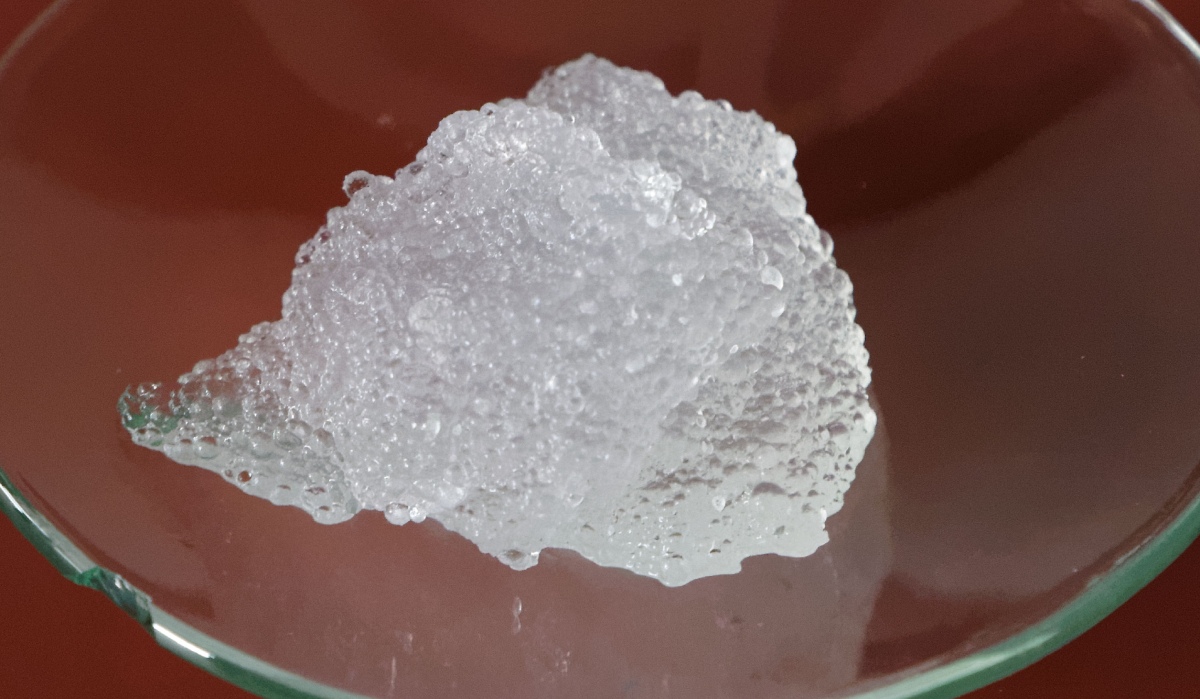
A new review paper taking a systematic review of hydrogel research from 2008 to 2025, including 186 published studies over 17 years, makes the case that conductive hydrogels are a credible electrolyte candidate. The paper notes this is the case particularly for flexible and wearable applications, however, stationary storage and lithium and sodium are potential winners. The paper was published this week in the Journal of Electroanalytical Chemistry by researchers at the University of Limpopo in South Africa.
The safety argument is perhaps the most straightforward, hydrogel electrolytes are water-based, which removes the thermal runaway contribution of conventional organic electrolytes, and their structure means they also do not leak and can self-repair.
While at this stage the commercial aspects are not clear, the performance picture is promising though it varies significantly by chemistry. For lithium-ion, a silicon nanoparticle-polyaniline composite electrode using an in-situ polymerised hydrogel achieved 1,600 mAh/g over 1,000 deep cycles, with 99.8% average coulombic efficiency from the second cycle onward. First-cycle efficiency sat around 70%, a known issue for silicon anodes.
To continue reading, please visit our ESS News website.
This content is protected by copyright and may not be reused. If you want to cooperate with us and would like to reuse some of our content, please contact: editors@pv-magazine.com.


By submitting this form you agree to pv magazine using your data for the purposes of publishing your comment.
Your personal data will only be disclosed or otherwise transmitted to third parties for the purposes of spam filtering or if this is necessary for technical maintenance of the website. Any other transfer to third parties will not take place unless this is justified on the basis of applicable data protection regulations or if pv magazine is legally obliged to do so.
You may revoke this consent at any time with effect for the future, in which case your personal data will be deleted immediately. Otherwise, your data will be deleted if pv magazine has processed your request or the purpose of data storage is fulfilled.
Further information on data privacy can be found in our Data Protection Policy.