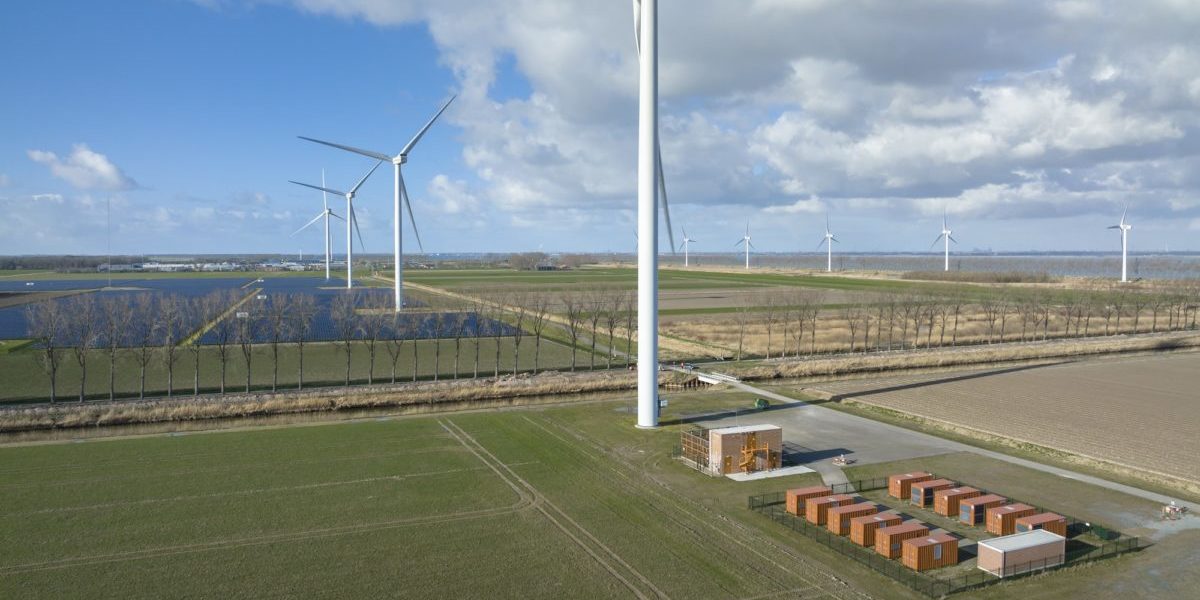





According to British think tank Ember, the rapid growth of solar and wind power is weakening the case for imported gas, even in the wake of the recent energy crisis. A recent analysis shows that April 2026 marked the first time globally that electricity generation from solar and wind exceeded that from gas. The two renewable sources accounted for 22% of global electricity generation, while gas-fired power plants supplied 20%, or 531 TWh compared with 477 TWh.
Five years earlier, in April 2021, gas-fired generation stood at a similar level of 476 TWh, according to Ember, but was nearly double the combined output of wind and solar, which totaled 245 TWh.
“The milestone reached in April 2026 was made possible by sustained strong growth in wind and solar power. This growth was sufficient to meet most of the increase in global electricity demand while limiting the rise in gas-fired generation,” the analysts said.
The expansion of renewable energy continues to reshape the global power mix, even amid volatile fossil fuel markets. The milestone was reached during the first full month of the recent global energy crisis triggered by the conflict in the Middle East. Despite ongoing concerns over energy security, there is no evidence of a broad global shift from gas to coal.
“The current energy crisis has further highlighted the economic advantages of renewable energy over imported gas, while also increasing political pressure to accelerate deployment,” said Ember analyst Kostantsa Rangelova. For many import-dependent countries, LNG-based electricity is becoming increasingly uncompetitive compared with wind and solar, which are seen as affordable, domestic, and secure sources of power.
According to Ember data, wind and solar have so far surpassed gas in only a single month and not on an annual basis. April was the most likely month for this milestone, as spring conditions in the Northern Hemisphere typically combine strong wind generation with rising solar output, while electricity demand is relatively low between heating and cooling seasons.
This content is protected by copyright and may not be reused. If you want to cooperate with us and would like to reuse some of our content, please contact: editors@pv-magazine.com.


By submitting this form you agree to pv magazine using your data for the purposes of publishing your comment.
Your personal data will only be disclosed or otherwise transmitted to third parties for the purposes of spam filtering or if this is necessary for technical maintenance of the website. Any other transfer to third parties will not take place unless this is justified on the basis of applicable data protection regulations or if pv magazine is legally obliged to do so.
You may revoke this consent at any time with effect for the future, in which case your personal data will be deleted immediately. Otherwise, your data will be deleted if pv magazine has processed your request or the purpose of data storage is fulfilled.
Further information on data privacy can be found in our Data Protection Policy.