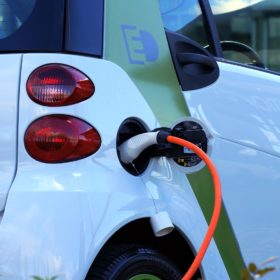
Dutch government treats 21 municipalities to smart EV chargers
Vehicle-to-grid functions could soon become increasingly important. While policymakers discuss the necessary regulations in other nations, the Netherlands government is motoring ahead with the technology.
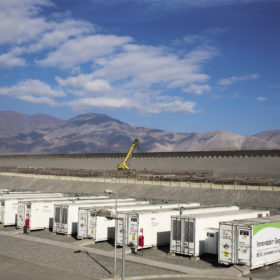
The weekend read: Chile taps ‘white gold’ for security of energy supply
Chile is home to a massive 10.3 million tons of lithium reserves, most of which is found in the Atacama Desert in the northern part of the country. With some of the highest solar irradiation levels on Earth, this region also boasts the perfect conditions for generating solar power. Developments in the photovoltaic market, alongside implementation of more efficient energy storage systems, are positioning Chile as a regional leader in this field. So what does the future hold for battery energy storage systems (BESS) in Chile, and what obstacles lie in their way?
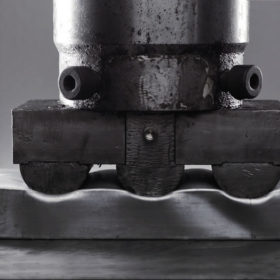
Ganfeng Lithium prepares solid-state battery test line
The Chinese company is ramping up R&D efforts to try and fast-track commercialization of the more productive – and more expensive – battery tech. The news was announced as part of an uninspiring first-half update thanks to falling lithium salt prices.
IndianOil to produce lithium-free EV batteries
India’s state-run fossil fuel giant has partnered with an unnamed foreign start-up to produce electric vehicle batteries using raw materials easily available in the nation.
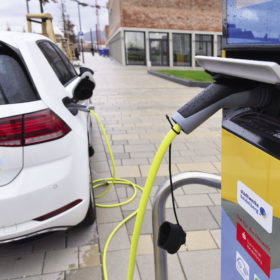
Australian Renewable Energy Agency backs ultra-fast EV highway network
ARENA will top up Evie Networks’ ultra-fast battery electric vehicle charging plans for Australia’s highways with AUS$15 million of federal funding.
Indian university to operate solar microgrid pilots
The Indian Institute of Technology (IIT) Kanpur has issued an expression of interest to set up three solar-backed microgrid projects in the Indian state of Uttar Pradesh. The deadline for submissions for prospective developers is Aug. 30.
ANZ, CEFC deepen ties to help businesses invest in PV, EVs, storage
Australian banking and financial services giant ANZ has extended its collaboration with Sydney-based Clean Energy Finance Corp. via an additional $67.7 million financing commitment to help the nation’s businesses cut energy costs and reduce carbon emissions. The bank is also offering financial discounts for upgrades and new investments in solar PV, energy storage, electric vehicles and other technologies.

Lithium-ion batteries still set for US tariffs on September 1
The energy storage market is set to be the latest affected by Trump’s trade war as lithium-ion batteries were excluded from the group of Chinese imports for which the U.S. president announced tariffs would be delayed until December 15.

Ganfeng Lithium’s Hong Kong-based shareholders rebel
Holders of almost two-thirds of the miner’s Hong Kong listed stock voted down a proposal to issue new non-Chinese shares that would dilute their investment by around a quarter. The board had proposed the move to raise funds for further lithium extraction overseas.
Asian battery manufacturers eye European riches on offer
A report produced by an AI and automation market research company says an anticipated boom in the European storage market – driven by a desire to reduce carbon emissions – will attract producers as demand outside China tails away.
