Power-to-hydrogen for multi-energy systems
Scientists in Switzerland say power-to-hydrogen is particularly promising for coupling electricity and heating and offsetting seasonal variation in renewables generation in sector-coupled energy networks. Their analysis indicated the technology may be especially useful in areas with a high ratio of seasonal thermal-to-electric demand.
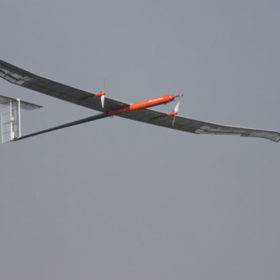
Solar-powered unmanned airplane with lithium-sulfur battery
The Korea Aerospace Research Institute has conducted a battery-powered test flight of solar-powered unmanned aerial vehicle EAV-3. The aircraft is powered by solar cells on its wings and body and an LG Chem lithium-sulfur battery.
Plasma enables smaller, more powerful NMC-811 cathodes
Batteries could shrink even more with smaller crystals in the cathodes. Battery packs in electric vehicles and consumer goods could become smaller, while still offering high performance.

Toshiba develops more Japanese solar and hydrogen
The electronics giant is building two PV plants with a combined generation capacity of 58 MW owned by U.S. module manufacturer First Solar. Toshiba is also extending its hydrogen research project in Fukushima for another two years.

Tesla battery day bingo
Tesla battery day is next week. Earlier this year, Elon Musk told analysts that what he had to say “will blow your mind. It blows my mind.” Here’s a list of battery hyperbole and terms you’re bound to hear at the event.
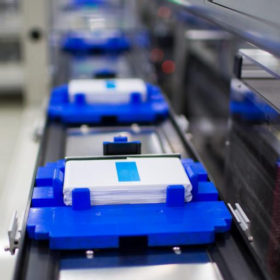
National lithium-ion battery supply chains ranked
Analysts at Bloomberg New Energy Finance have quantified the influence of markets around the world. The ranking supplies a snapshot of 25 countries and also offers a five-year outlook.

South Africa to tender 6.4 GW of solar and wind, 513 MW of storage and 4.5 GW of conventional generation
The country’s regulator has approved a government plan to tender for 11.81 GW of power generation capacity on top of the 2 GW tender opened last month.
Bangladesh set to embrace gas, rather than renewables
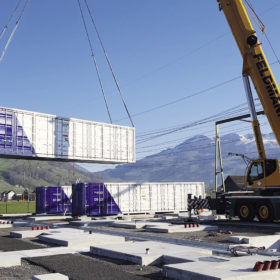
A national energy strategy which prioritizes coal is being ripped up just two years after its introduction, thanks to Covid-related slumps in demand, but legislators appear likely to look to gas, rather than solar and wind power as an alternative, due to land issues and energy storage costs.
Australia and Germany shake hands on green hydrogen future
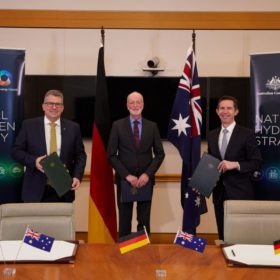
The two nations have brought their national hydrogen strategies together after signing a new agreement for a joint feasibility study into green hydrogen production and trade. The agreement was welcomed around the country as auspicious of Australia’s potential as a global green hydrogen superpower.
Vanadium redox flow battery for storage of wind and solar power
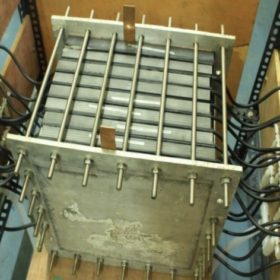
Researchers in India have developed a 5 kW/25 kWh vanadium redox flow battery with an energy density of 30 watt-hours to 40 watt-hours per liter.
