
The energy transition is easily affordable but all hope of 1.5C warming will vanish in 2028
Technical consultancy DNV GL has published its Energy Transition Outlook 2019. While the electric vehicle, storage and renewable energy industries are likely to see significant rises in demand, the sobering conclusion is the world will miss carbon reduction targets by a long shot.
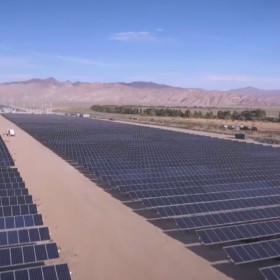
Los Angeles says “Yes” to the cheapest solar plus storage in the USA
Los Angeles’ municipal utility has voted 5-0 to approve a 25-year contract with a 400 MWac solar plus 300 MW / 1.2 GWh energy storage facility, with the aggregate price of the electricity from the project at 3.962¢/kWh.
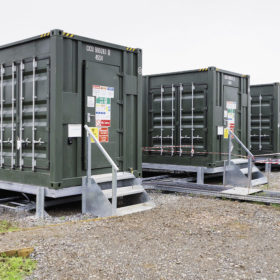
Big storage comes to Ireland
A 200 MW storage project is being developed by Hanwha Energy Corporation and Lumcloon Energy. The €300 million facility is intended to stabilize the grid to host more renewable energy capacity.

RES battery prevented complete blackout in the UK
On August 9, a thunderstorm caused 1.5 GW of generation capacity to go offline within seconds in the U.K. The incident caused millions of households to temporarily lose power but the situation could have been considerably worse if not for the country’s battery storage reserves.

High power prices, falling PV costs and new regulations behind Brazil’s solar carnival
The nation’s thriving distributed generation market is flying, as was evident at last week’s Intersolar South America trade show. The sector seems unconcerned by mooted changes to net metering incentives in the new year and when even an environmental non-believer like President Bolsonaro is on side, it is difficult to be pessimistic.

Poland announces plans for 1.1 GW of solar
A 600 MW project will be built on degraded land by a Polish investment fund and utility PGE has agreed to build a 500 MW facility for one of the country’s largest energy intensive companies – copper and silver producer KGHM Polska Miedź.
Kenyan government blamed for sluggish progress of solar
Two solar farms with 80 MW of generation capacity tendered in 2017 are being built and will be commissioned this year but another two, allocated at the same time, are no nearer construction. Kenya, however, has been touted as the site of Africa’s first wind-solar-storage hybrid project.
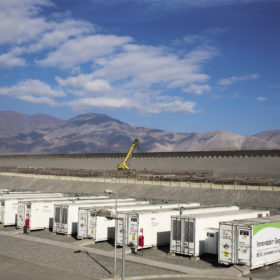
The weekend read: Chile taps ‘white gold’ for security of energy supply
Chile is home to a massive 10.3 million tons of lithium reserves, most of which is found in the Atacama Desert in the northern part of the country. With some of the highest solar irradiation levels on Earth, this region also boasts the perfect conditions for generating solar power. Developments in the photovoltaic market, alongside implementation of more efficient energy storage systems, are positioning Chile as a regional leader in this field. So what does the future hold for battery energy storage systems (BESS) in Chile, and what obstacles lie in their way?
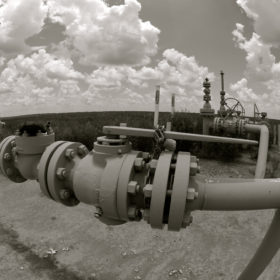
‘Energy storage is not enough, a renewables grid needs flexible gas back-up’
The managing director of London-based energy infrastructure company Statera has told pv magazine a clean energy grid in the U.K. will require as much flexible gas plant capacity as battery storage.

Trump ratchets up tariffs on Chinese products – including batteries
While the damage is largely done for cells, modules and inverters, increased tariffs on U.S. module components and 15% measures on lithium-ion batteries are not good news for either sector.
