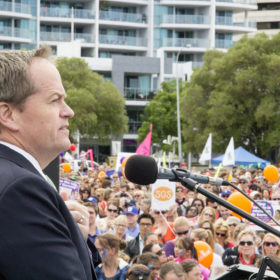
Labor plan to aggregate 4,000 schools into virtual power plants in $1 billion solar program
Australia’s federal Labor party has pledged to roll out PV generation and batteries at schools across the nation, and to create VPPs supporting up to 365 MW of capacity.

Tenerife plans 350 MW of solar alongside 1 GWh storage
A new project is in line with the target of the Island Council of Tenerife to cover all electricity demand with renewable energy. The development of electromobility and storage is key to the ambition.
Brazil to hold energy auction for non-interconnected state of Roraima on May 31
Selected projects will be expected to start commercial operations on June 28, 2021. The auction is open to both conventional and renewable energy sources, as well as proposals for hybrid projects or power plants linked to storage.
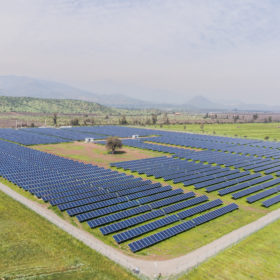
Chile may change payment scheme for small solar parks
The government is planning to replace the price offered to PV projects that have a capacity of 3-9 MW with hourly tariffs. Solar association Acesol agrees with some of the suggestions but rejects the proposed tariff change. The current system has been the main market driver for Chilean PV for the last two years.
Solar offers rare cheer in China Power figures
Despite outperforming rivals in terms of revenue and curtailment levels, solar apparently didn’t do enough to deflect the board away from plans to focus on energy-from-waste.

The prospects for solar after the Indian elections
Narendra Modi’s BJP party is seeking re-election with the aim of ensuring the electrification of all railways by 2022 and turning renewable energy into a popular movement with steps including an emphasis on solar farming. Even if the elections spring a surprise, however, the renewable momentum is unlikely to slow as no government can afford to roll back the clean power tide.
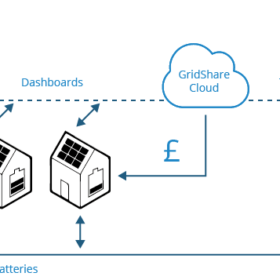
Moixa to build virtual power plant as first phase of UK smart energy project
The storage supplier will set up a mixed-asset virtual power plant that will initially aggregate up to 2 MW of capacity as the first phase of a planned smart local energy system in southern England. Moixa aims to eventually scale the VPP up to 17 MW.
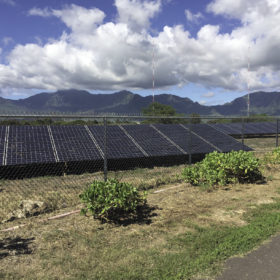
Battery group unveils online map of global storage installations
The Consortium for Battery Innovation has produced an interactive, online map highlighting the location of lead-battery storage installations worldwide.
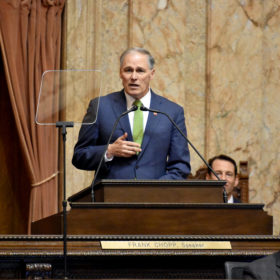
Washington state’s 100% renewables bill passes both Houses
Washington is looking to become the fourth state to make the move to 100% renewable electricity, with only a senate review and the hand of Governor Inslee left in the path of SB 5116.

GCL Poly subsidiary sweats solar assets for $89m cash injection
The poly maker’s project development business has entered a sale and leaseback deal for a 140 MW project that will bring in a financial lift in the short-term but cost more than $31 million over nine years.
