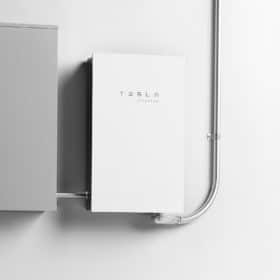
Tesla launches solar inverter
The EV manufacturer with big solar ambitions has finally leveraged its expertise in power electronics technology and launched a solar inverter.

Japan PV auctions not a failure, says IRENA
Land scarcity and grid congestion are the main reasons for unexpectedly low capacity allocations in Japan’s five PV auctions between 2017 and January 2020. However, the auction outcomes should not be seen as disappointing, as the average final prices were close to the cost of electricity for solar, says the International Renewable Energy Agency.
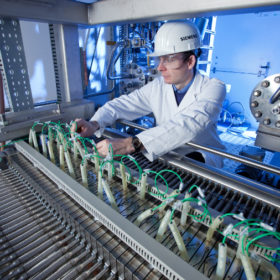
PV trends of 2020: Part 5
Despite much of the world being on lockdown for a big chunk of 2020, there are few who could say it has been an uneventful year. And while the ongoing Covid-19 pandemic will be what defines 2020 for many, in the solar industry there’s plenty more to shout about, from the rapid rollout of high-powered modules to a drastic increase in carbon-neutral pledges from companies and governments around the world. Across five installments, pv magazine takes a look back at the year in solar. First up were the U.S. election and carbon neutral pledges, followed by auctions and green bonds. Part 3 focused on big modules and renewable grid support, while part 4 looked at high-efficiency EU cell production and perovskites. In the final installment, you can read about smart homes and green hydrogen.
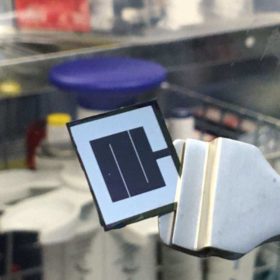
PV trends of 2020: Part 4
Despite much of the world being on lockdown for a big chunk of 2020, there are few who could say it has been an uneventful year. And while the ongoing Covid-19 pandemic will be what defines 2020 for many, in the solar industry there’s plenty more to shout about, from the rapid rollout of high-powered modules to a drastic increase in carbon-neutral pledges from companies and governments around the world. Across five installments, pv magazine takes a look back at the year in solar. First up were the U.S. election and carbon neutral pledges, followed by auctions and green bonds, and big modules and renewable grid support. Next up are high-efficiency EU cell production and perovskites.
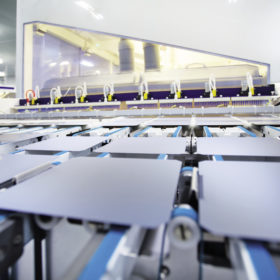
PV trends of 2020: Part 3
Despite much of the world being on lockdown for a big chunk of 2020, there are few who could say it has been an uneventful year. And while the ongoing Covid-19 pandemic will be what defines 2020 for many, in the solar industry there’s plenty more to shout about, from the rapid rollout of high-powered modules to a drastic increase in carbon-neutral pledges from companies and governments around the world. Across five installments, pv magazine takes a look back at the year in solar. First up were the U.S. election and carbon neutral pledges, followed by auctions and green bonds. For day three, you can read about big modules and renewable grid support.

PV trends of 2020: Part 2
Despite much of the world being on lockdown for a big chunk of 2020, there are few who could say it has been an uneventful year. And while the ongoing Covid-19 pandemic will be what defines 2020 for many, in the solar industry there’s plenty more to shout about, from the rapid rollout of high-powered modules to a drastic increase in carbon-neutral pledges from companies and governments around the world. Across five installments, pv magazine takes a look back at the year in solar. First up were the U.S. election and carbon neutral pledges. Today, we’re talking about auctions and green bonds.

PV trends of 2020: Part 1
Despite much of the world being on lockdown for a big chunk of 2020, there are few who could say it has been an uneventful year. And while the ongoing Covid-19 pandemic will be what defines 2020 for many, in the solar industry there’s plenty more to shout about, from the rapid rollout of high-powered modules to a drastic increase in carbon-neutral pledges from companies and governments around the world. Across five installments, pv magazine takes a look back at the year in solar. First up are the U.S. election and carbon neutral pledges.
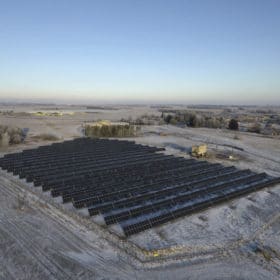
The weekend read: New EU financing mechanism set to boost PV investments
A new EU framework designed to incentivize cross-border renewables financing could help accelerate the roll-out of solar PV projects across Europe. However, investors are awaiting more clarity about how the system will work in practice.
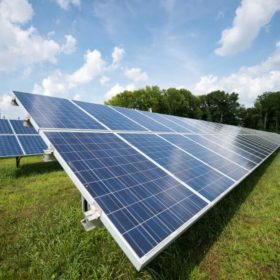
NIPSCO adds solar capacity through a 280 MW PPA
The Indiana utility plans to be coal-free by 2028 by adding a combination of cleaner energy sources to its existing mix of natural gas and hydroelectric generation.
Editorial leadership changes at pv magazine USA
Eric Wesoff becomes Emeritus Editor and David Wagman joins as Senior Editor U.S.
