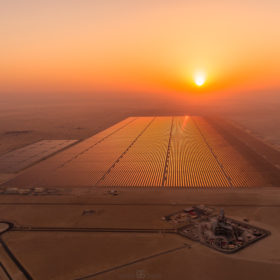
DEWA and Huawei hold strategic summit
The Emirati utility and the Chinese communications giant and inverter maker have discussed how they can work together to roll out solar and storage in Dubai as well as collaborating on cyber security and the use of AI to analyze cyber threats.

Canada extends trade measures against Chinese metal silicon
With the anti-dumping and countervailing duties imposed in November 2013 set to expire nine months ago, the Canadian International Trade Tribunal has extended them for another five years, ruling their expiry would harm the nation’s only domestic manufacturer.

Mini series: Campaigning from rooftops to industrial sites
Walburga Hemetsberger joined SolarPower Europe as its new CEO around six months ago. It’s been a busy time, with the European elections and attempts to implement net zero emissions strategies that have kept Brussels hustling and bustling. At the same time, Europe’s solar industry association has been trying to push its industrial policy and rooftop campaign. Hemetsberger sat down with pv magazine for an update.
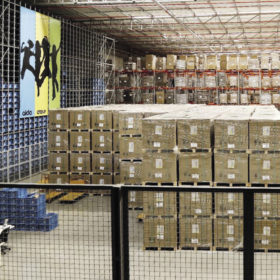
Brazil’s faltering manufacturing ambition
A binational integrated solar industry project, announced just over a year ago, aims to build a vertically integrated solar manufacturing industry along the border between Brazil and Paraguay. But the project is now on hold pending an update and reassessment by its new managers.
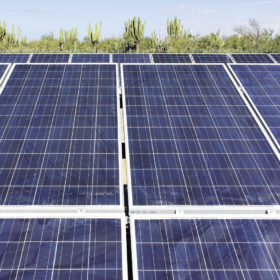
The weekend read: Reactivating Mexico’s large-scale sector
The Mexican electric power industry is maintaining its dynamism, despite a collective perception of inactivity stemming from a lack of information from the federal government. And renewables are barely mentioned in the National Development Plan for 2019–2024 drawn up by Mexican President Andrés Manuel López Obrador.
GCL-Poly making polysilicon at a loss as it piles up $3.36bn more in liabilities than assets
With the company’s up-for-sale project development business revealing extensive debt concerns yesterday morning, that revelation is only half the story.
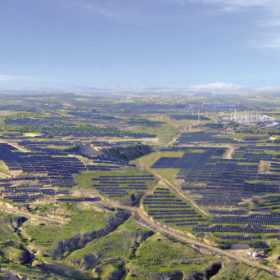
China added 11.4 GW of solar capacity in first half of this year
According to official statistics produced by the nation’s National Energy Administration, China’s cumulative installed PV generation capacity had reached 185.5 GW at the end of June.
Mini series: On prices, technology and 2019 trends
A maturing PV market does not automatically deliver certainty in terms of technology roadmaps and industry dynamics. Crystalizing trends and anticipating developments is the business of analysts, so pv magazine assembled four of solar’s best to talk about prices, technology and market-defining policy developments.
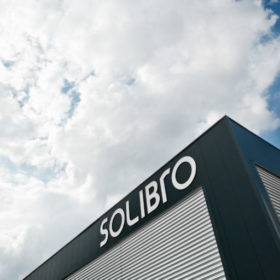
German thin-film manufacturer Solibro reportedly set to file for insolvency
Solibro GmbH is expected to make the move this month, according to a German media report. The company has yet to publicly confirm the move.

GCL project development business has $1.6bn current liabilities deficit
The opening pages of the first-half update published on the Hong Kong exchange made all the right noises with the company set to be acquired by a Chinese state-owned entity. But the balance sheet makes for shocking reading.
