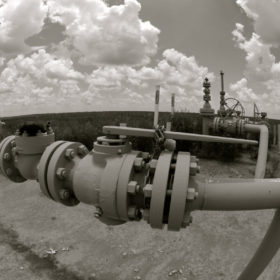
Georgia explores green hydrogen
The Caucasian nation could use its hydropower resources to generate the sustainable fuel for transport in its gas pipeline network. An agreement to cost the development of such an industry formed part of a deal which will see the EBRD lend the Georgian Oil and Gas Corporation €217 million to help it through a Covid-19-related cash crisis.
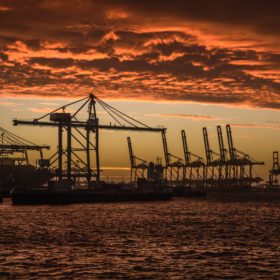
Portuguese green hydrogen for the Port of Rotterdam
The Portuguese and Dutch governments want to connect the hydrogen project of Sines to the Port of Rotterdam and to develop a strategic export-import value chain to ensure the production and transport of green hydrogen to the Netherlands and its hinterland.

Iberdrola sets up green hydrogen unit
The Spanish energy company, which has hydrogen projects under way in its homeland and the United Kingdom, says it will allocate new resources to position itself at the forefront of the supply of renewables-powered hydrogen.
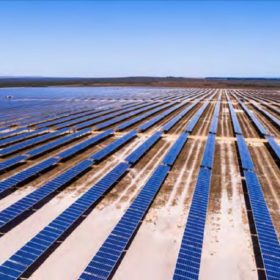
Western Australia seeks proposals for 1.5 GW of green hydrogen
The Western Australian government is talking to developers around the world about building a 1.5 GW wind and solar hydrogen hub at the Okajee Strategic Industrial Area. The state’s Mid West region has some of the world’s best solar and wind resources and they could drive the development of a local green hydrogen economy.

Airbus charts path to zero emission aviation by 2035
At a press conference today, executives at the European airplane manufacturer explained how it will be possible to have market-ready zero-emission planes within 15 years.
Power-to-hydrogen for multi-energy systems
Scientists in Switzerland say power-to-hydrogen is particularly promising for coupling electricity and heating and offsetting seasonal variation in renewables generation in sector-coupled energy networks. Their analysis indicated the technology may be especially useful in areas with a high ratio of seasonal thermal-to-electric demand.
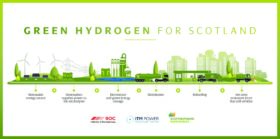
Scottish Power to bring parent’s hydrogen expertise to northern Europe
The U.K. utility is a partner in the Green Hydrogen for Scotland initiative which aims to be fueling commercial vehicles with sustainable hydrogen within two years, starting with a 10 MW electrolyzer on the outskirts of Glasgow.
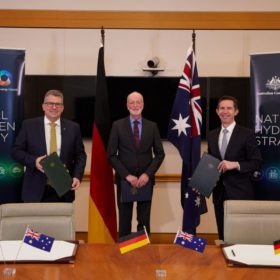
Australia and Germany shake hands on green hydrogen future
The two nations have brought their national hydrogen strategies together after signing a new agreement for a joint feasibility study into green hydrogen production and trade. The agreement was welcomed around the country as auspicious of Australia’s potential as a global green hydrogen superpower.
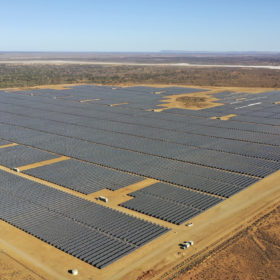
EU Green Recovery plan could support 2.3 GW of Spanish solar project capacity
Three big projects are candidates for support from the Covid recovery plan laid out by the bloc.

Covid-19 weekly round-up: Australian states target green recovery as France devotes €30bn to energy transition
Clean energy power plants will figure prominently as Queensland and Victoria bid to reset their economies for a post-coronavirus world. France suffered a hit to its new solar deployment figures in the first half of a Covid-hit year but its neighbor appears to have no such concerns.
