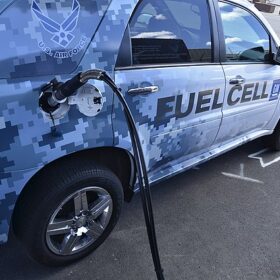
The Hydrogen Stream: US unveils green hydrogen strategy
The US government has identified the hydrogen sector as a key energy opportunity, while Hystar has signed its first PEM electrolyzer deal and Plug Power has agreed to supply fuel cells for long-term storage during emergencies in California.

US Inflation Reduction Act ‘real risk’ for Australia in green hydrogen race
Former Reserve Bank of Australia Deputy Governor Guy Debelle has warned that the US Inflation Reduction Act (IRA) poses a “material threat” to Australia’s push to become a green hydrogen superpower.
The Hydrogen Stream: Japan plans $150 billion hydrogen investment
Japan has announced plans to invest $150 billion in hydrogen over the next decade, while Malaysia has revealed that it will invest in solar and hydrogen under a new energy roadmap. Separately, Kansai Electric Power and Canada’s ATCO have agreed to collaborate on a feasibility study for green hydrogen supplies.
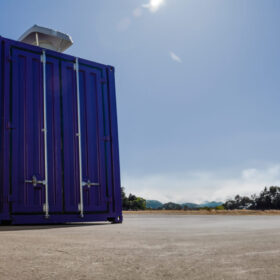
Australian startup unveils 100 kW hydrogen power bank
Endua has installed its first 100 kW standalone hydrogen power bank in Brisbane, Australia. The news comes weeks after the company raised AUD 11.8 million ($7.81 million) to scale the technology.
The Hydrogen Stream: Oman awards large-scale green hydrogen projects
Oman has awarded hydrogen contracts to CIP, Shell, and BP, while Germany has strengthened its hydrogen ties by linking it to broader European initiatives.
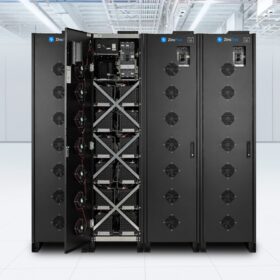
Nickel-zinc battery systems with hydrogen, EV charging
ZincFive is supplying battery systems for Advanced Power & Energy’s hydrogen-fueling microgrid and pilot DC fast-charging station in Greenville, Pennsylvania
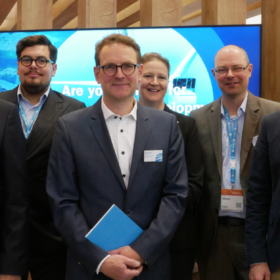
The Hydrogen Stream: Norway, Finland take the lead in Europe
Plug Power has revealed plans to develop three green hydrogen production plants in Finland, while Statkraft is set to increase its investments in the German hydrogen market.
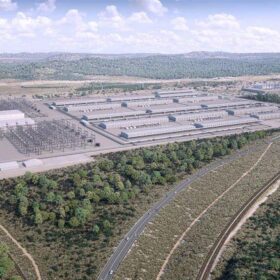
Australia confirms funding for 3 GW green hydrogen project
Australia’s push to become a green hydrogen superpower has gained new momentum with the federal and Queensland governments teaming up with consortium partners to deliver AUD 117 million ($76 million) for a 3 GW renewable hydrogen project.
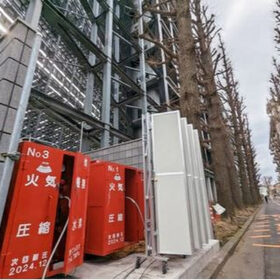
Japanese group unveils fuel cell system based on green hydrogen, waste plastic
A Japanese consortium is now testing a 100 kW fuel cell system in Tokyo. The system uses green hydrogen and waste plastic hydrogen to provide heat to an industrial building. The demonstration aims to establish an urban hydrogen energy utilization model that combines global and local hydrogen sources.
The Hydrogen Stream: Namibia to launch $10 billion hydrogen project
German investors have agreed to back a hydrogen project in Namibia, while Plug Power and Thyssenkrupp Nucera have announced separate hydrogen-related deals in Sweden.
