
Controlling grid fluctuations via solar module cooling
A research group has proposed a novel method to control ramp rates in power networks. Its control optimization is based on weather, load and production forecast data. The scientists simulated the operation of the proposed technique and reached a ramp rate reduction of up to 76.2%.

Metrel launches electrical installation safety tester for PV systems
Metrel, a Slovenian measurement equipment supplier, says its new electrical installation safety tester can assess systems with a maximum voltage of up to 1,500 V and a maximum short circuit current of 40 A.
Grid-resilient inverters are exposed to cyber-physical threats
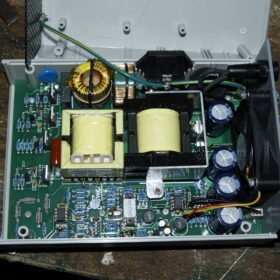
New research shows all the challenges that smart inverters will have to face in the next decades, including cybersecurity issues and increasing manufacturing costs. The scientists explain that, despite the new opportunities that the Internet of Things and artificial intelligence are offering, their application may also result in an increasing number of cyber risks.
Rooftop solar installation rates rise after record month in Australia
Rooftop solar installations in Australia recorded a 6% jump in October, with the latest monthly data revealing that 279 MW of small-scale rooftop PV capacity was installed on household and business roofs across the country last month.
Dealing with Pakistan’s solar panel glut
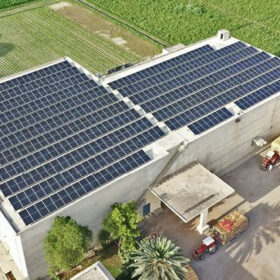
Solar panels flooded into Pakistan during the first half of 2024 and oversupply has wiped out module margins. Solar developers want greater liberalization of the nation’s electricity market but the government is concerned that moving too quickly could place more pressure on utilities already burdened by high capacity payments.

Colombia adds 104 MW of new solar in Q3
Colombia installed 104 MW of new solar in the third quarter, raising its cumulative PV capacity to 1.34 GW by the end of September 2024.

Bangladesh introduces 10-year tax exemption plan for renewables
Bangladesh has unveiled a 10-year tax exemption package for renewable energy projects. The new tax breaks will apply to power plants that begin commercial operation between July 1, 2025, and June 30, 2030.

What does the UK budget mean for solar, storage?
Spending commitments outlined by UK Chancellor Rachel Reeves include investment in planning departments, more funds for heat pump grants, confirmation of funding for commercial hydrogen projects, and more cash for the Department of Energy Security and Net Zero.

‘Inclusive workplaces are non-negotiable’
This week, Women in Solar Europe (WiSEu) gives voice to Anna Sauter-Getschmann, co-founder of Germany-based Academy for Climate Jobs. She says that the renewable energy industry must reshape vocational training and make new opportunities visible. “We can start to redefine the typical image of an electrician or plumber,” she stated.

DCC Group launches €50 million solar support scheme for Irish businesses
A trio of companies owned by DCC Group are teaming up on a support scheme to provide Irish businesses with capital to install rooftop and ground-mounted solar panels on their premises. The scheme aims to support 100 companies to install a total of 50 MW of solar over the next five years.
