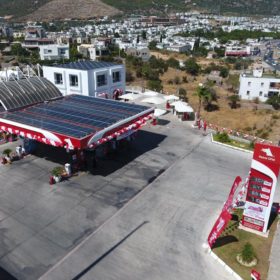
Turkey’s net-metering: Will commercial, residential or municipal lead the way?
Turkey introduced net metering in May, stoking hopes the scheme could add meaningful volumes of new solar generation capacity. Municipal governments elected in the spring can also boost the program’s success, provided the many layers of authority can work together, that is.

Solar supporting peacekeeping in DR Congo
A report by the Powering Peace organization states UN missions in the Democratic Republic of Congo could reduce expense and pollution by using off-grid solar to power operations instead of diesel generators. Adding a 200 kW solar system with 200 kW/450 kWh of energy storage would reduce diesel consumption 80% for 10-year savings of almost $2.6 million, states the group.

Bangladesh government pledges rooftop PV on all its buildings
The authorities expect to add 300 MW of rooftop solar in the next four years thanks to net metering regulations and hope the nation’s extensive clothing and textile industry will be encouraged to adopt PV.

India prepares to embrace agrivoltaics
Take-up has been slow considering the nation’s mammoth agricultural industry but, as a packed session on the topic at the recent Renewable Energy India show illustrated, attitudes may be changing in a nation which is already installing solar greenhouses.
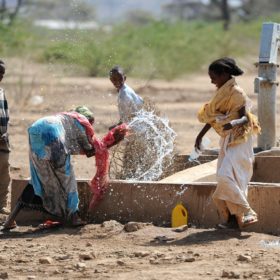
Ethiopia’s plans for solar mini grids move forward
The Ethiopian Electric Utility is seeking proposals for 25 mini grid projects which are being backed by the African Development Bank.
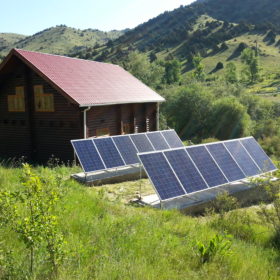
France to fund innovative off-grid renewables projects in Africa
The French development agency and the environment ministry have a €1.6 million budget to finance novel off-grid projects from companies and NGOs operating with local partners in Africa.

South Sudan to embrace renewables
The South Sudan Electricity Corporation is seeking consultants to define the nation’s Renewable Energy Development Program and its related tender mechanism. The plan could put the world’s youngest country – which is in the grip of a long, brutal civil war – on a path to sustainability.
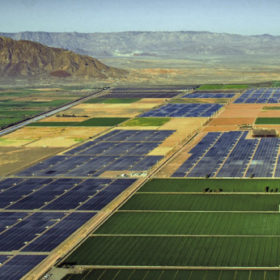
The US tops 37.9 GW of large scale solar
That record figure of utility scale PV was under contract at the end of June with 8.7 GWdc under construction. However, installation levels fell slightly, year-over-year.
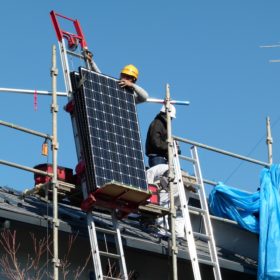
Renesola rebounds from loss with Q2 profit but loan looms large
The project developer trumpeted its return to the black in the second quarter and appears set to secure an $11 million cash injection from its main shareholder. It needs the cash to help settle a near-$29 million debt due for repayment in March.

Brexit paralysis and lack of incentives leave community energy facing uphill struggle in the UK
The future benefits of technology such as smart meters and the associated aggregation of small scale generation are not being adequately rewarded, support for solar and wind is being cut off and parliament is fixated solely on one issue.
