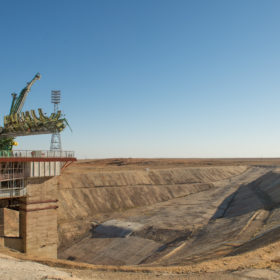
ADB provides $11.5 million for 50 MW PV project in Kazakhstan
The Asian Development Bank has signed an agreement to finance a project in the south of the central Asian nation.
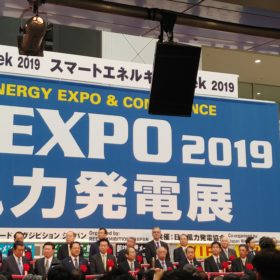
Smart Energy Week in Tokyo: Self-consumption, storage and a plentiful pipeline for now
Though we’re unlikely to see a return to the days of double-figure GW annual installation levels, Japan will stay at the top table of solar. Last week, pv magazine visited PV Expo Japan, part of Tokyo’s World Smart Energy Week, and found plenty of market developments to discuss, along with healthy interest from major players.

Solar-plus-storage approaching the North Pole
The Northwest Territories of Canada are going to host a solar-plus-storage project that will be the first of its kind in the region. The facility will power three businesses and 32 residential units in Inuvik and Iqaluit.
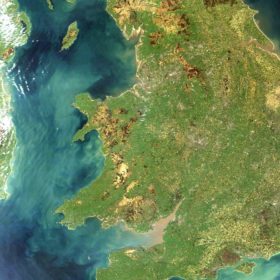
Statkraft virtual plant integrates renewables, storage and gas in UK
The virtual facility is monitoring approximately 1 GW of combined wind, solar, storage and flexible gas engines in the U.K. and its capacity may double in the summer. The energy managed by the plant is being sold on the British energy market.

Rajasthan solar auction draws electricity price of just 3.5 US cents
Record-setting Acme Solar has secured a third of the latest procurement exercise in the state with a lowest bid of INR2.48/kWh. The tender was oversubscribed by more than 100% as offers came in for 1,620 MW of capacity.
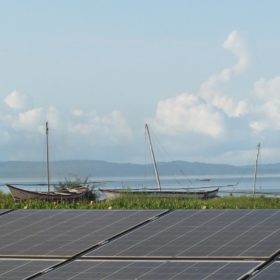
Off-grid solar could bring electricity to 740 million people by 2022
As RP Global starts work on 11 solar hybrid mini-grids on Lake Victoria that will supply electricity to 160,000 people, analyst Wood Mackenzie has released a report stating how increased capital flows in the sector may still fall short of securing universal electricity access by 2030. Nonetheless, off-grid solar is the cheapest and most viable solution for remote areas and attracts investment from fossil fuel majors and venture capital funds.
France changes tender rules for innovative PV
After receiving approval from the European Commission in November, the French government has now published new rules for tenders assigning a fixed tariff to solar projects that use innovative technologies such as new cells and modules among others.
Greece’s first joint PV-wind auction will tender 600 MW of capacity next month
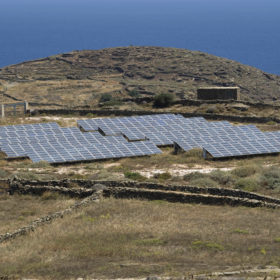
Energy regulator RAE has announced the country’s first joint solar and wind energy auction, which will be held on April 15.
Wallonia’s grid fee for prosumers will apply only to new systems
The controversial charge for residential PV systems will apply only to installations connected to the grid after July 1, and will come into force from 2020. Wallonia has around 1.1 GW of installed solar capacity, most of it residential PV systems.
Floating PV offers alternative to grid outages in South Africa
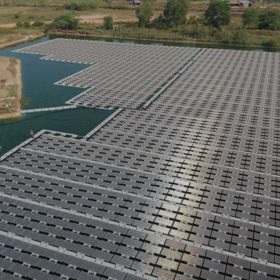
A 60 kW floating array was deployed by New Southern Energy at the reservoir of a fruit farm near Franschhoek, in the Western Cape Province. A second phase of the project will also include storage.
