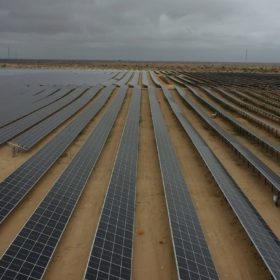
India set to record best year ever for new PV additions in 2021
India installed 7.4 GW of new solar capacity in the first nine months of 2021, putting this year on track to become one of the best 12-month periods on record for new PV installations.
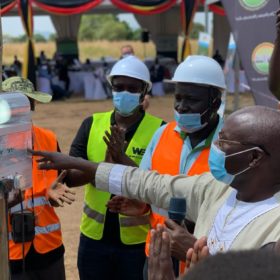
Uganda turns to solar mini-grids to level-up its northern region
A spokesperson for London-based installer Winch said the subsidized, $0.29/kWh electricity the networks will offer to villagers is the lowest price for such a system anywhere in the world.
Bangladesh government signs up for 180 MW of solar electricity
The power development authority has signed 20-year electricity purchase deals relating to four solar projects and has awarded the highest price paid in the country to date for ‘clean’ energy, for an island-based system which includes battery storage and diesel generation.
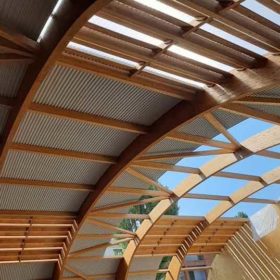
Deploying solar on curved metal roofs
Midsummer and Medacciai are developing a BIPV solution for curved metal roofs in southern European markets, through a five-year deal.
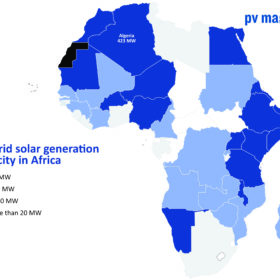
German development bank allots fresh €49m for African mini-grids
A new foundation set up by KfW will offer grants to attract investment in a bid to offer more than 350,000 people access to clean electricity.
Grid stability and 100% renewables
New research from Stanford University professor Mark Jacobson seeks to remove any doubts about grid stability in a world powered entirely by renewable energy. The latest study models 100% wind water and solar powered grids across the United States, finding no risk of blackouts in any region and also broad benefits in cost reduction, job creation and land use.

‘No limit to the number of mini grids which can be installed in Nigeria’
U.S.-based Husk Power Systems has installed six solar mini-grids in the West African nation and aims to build more than 500 by 2026 with the help of World Bank funding.
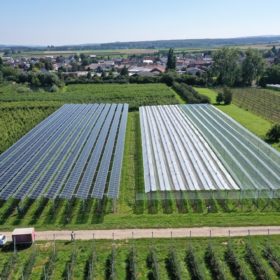
The case for agrivoltaics in India
There is enormous potential to develop the agrivoltaics sector in India, as about 60% of the country’s land area is devoted to agriculture. However, the rollout of projects that pair farming with PV cannot proceed until the authorities iron out a number of policy concerns and regulatory issues.
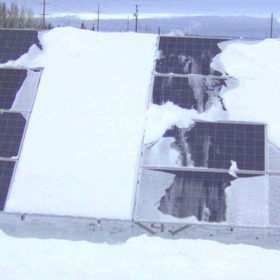
Icephobic surfaces for ice, snow shedding in utility scale solar
Developed by U.S. researchers, the proposed coating solution is claimed to effectively melt ice and snow with temperatures down to -35 degrees Celsius. It was fabricated by using medium-chain triglyceride oil to plasticize two common industrial polymer polyvinyl chlorides and tested at a pilot facility in Alaska.
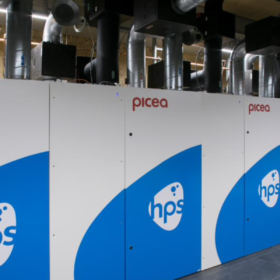
New solution to store residential, commercial PV electricity as green hydrogen
Germany’s Home Power Solutions has developed a hydrogen storage solution with a capacity of up to 15,000 kWh. The Picea system stores excess electricity from rooftop PV systems in the form of green hydrogen.
