
Malaysia’s commercial and industrial PV segment is thriving
The Malaysian Photovoltaic Industry Association (MPIA) has urged the country’s government to allocate more capacity under the metering scheme, as all installed power for commercial and industrial PV was already assigned a few months after the scheme’s launch.

The Hydrogen Stream: Chile and Germany join forces to develop viable green hydrogen projects
Furthermore, Texas oil field services company Baker Hughes and engineering, procurement and construction company Samsung Engineering have announced a collaboration with regards to low to zero-carbon projects utilizing carbon capture, utilization and storage (CCUS) and hydrogen technologies.

Transparent solar panels for agrivoltaics
Romande Energie and Swiss research institute Agroscope are testing startup Insolight’s transparent PV panels in an agrivoltaic project. The modules are replacing the plastic covers used to grow strawberries and raspberries.
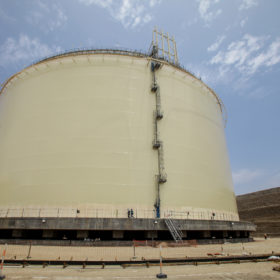
LNG and hydrogen – untangling a complex relationship
Six industry experts recently spoke to pv magazine about the relationship between LNG and hydrogen.
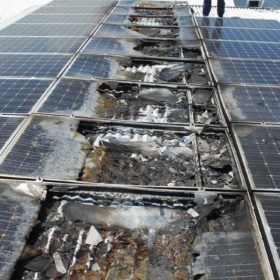
Australia’s ‘unsafe’ solar installation standards under fire
Australia is a world leader in rooftop solar deployment, but the head of Queensland-based renewables company REA Global has criticized the nation’s solar installation standards for being out of date and unsafe.
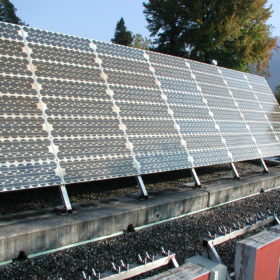
Exploring the depths of Europe’s oldest grid-connected PV system
A 10 kW PV system has been feeding electricity into the Swiss power network since 1982. A research team has investigated the performance of the array’s first 35 years of life and has found that solar modules can target – at least in temperate climates – service lifetimes of 35 years, and that the bill of materials matters, a lot!

Solar 101: ‘Goldilocks’ your PV project to make it just right
Too big? Too small? Just right? Many factors need to be considered when deciding how large or small to make your rooftop solar array.
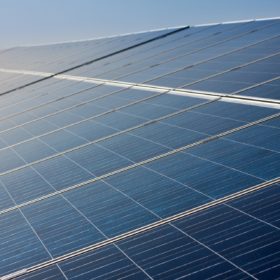
Zimbabwe announces 66 MW of new PV projects
Solar is the main energy source among all independent power producer projects licensed by the authorities in Zimbabwe. The largest solar plant under construction in the country is a 25 MW facility in Matabeleland North province.
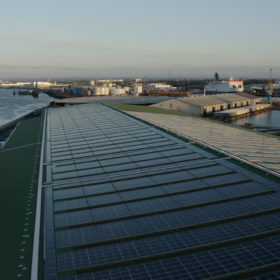
China set to mandate solar on at least 20% of residential roofs in pilot counties
State body the NEA has given its provincial offices until July 15th to suggest counties where a solar mandate – which rises to at least half of all government roofspace – can be rolled out. Selected companies will be awarded whole-county contracts.
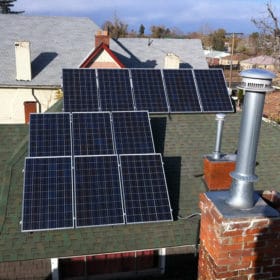
‘Residential batteries are less profitable than selling excess power to the grid’
Although self-consumption of solar power is the optimal economic approach, the expense of household batteries at present outweighs the increased ability they offer to use electricity generated on the roof. Whether aggregated ‘virtual batteries’ offer better returns is an open question, due to lack of electricity company transparency.
