
Aluminum foils can reduce temperature in double-glass PV modules by 6 C
Scientists in China placed a 0.5 mm thick aluminum foil between the solar cell and the EVA, and between the EVA and the glass layer. The two experimental modules were compared to a reference module and were found to dissipate heat and increase the in-plane temperature uniformity.

Top 5 global inverter trends to watch in 2025
Challenges and innovations drive solar and energy storage inverter industry forward in 2025.
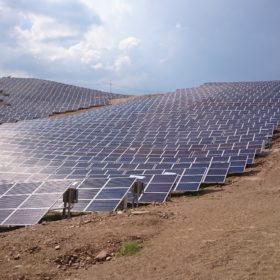
Turkey’s cumulative solar capacity doubles in 2.5 years to 19.6 GW
Ember, a London-based energy think tank, says in a new report that Turkey’s cumulative installed PV capacity has doubled to 19.6 GW in just two and a half years, driven by a surge in self-consumption projects.

Octopus Energy CEO: Powering bargains with renewables
At the recent World Future Energy Summit in Abu Dhabi, Octopus Energy’s founder and CEO Greg Jackson urged market participants in the renewable energy sector to tap low-cost renewables to drive both clean energy adoption and acceptance. His speech was part of IRENA’s Innovation Day at WFES on January 14, 2025 and set the scene for a subsequent panel discussion on the topic “Digitalization to support the 3x Renewables Goal.”

Testing shows BIPV using patterned glass performs better than expected
Scientists have compared conventional PV modules to self-made BIPV panels with thicker, patterned glass. They tested them both under standard conditions and outdoors under Korean summer conditions. Yield was found to be only 0.5% lower in the textured BIPV module.
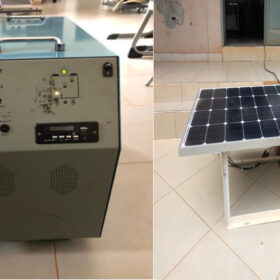
Field manual for off-grid residential PV in remote communities
A research team has constructed a technical field audit among users of solar systems in remote communities in Ghana and has identified some recurring technical issues. Based on the collected data, the scientists have also developed a practical field manual.

U.S. adds 30 GW of PV capacity in 2024
The U.S. added 30 GW of solar in 2024 and is expected to remain the largest source of new generating capacity added over the next two years.

Enphase Energy, Octopus Energy announce smart tariff for UK customers
In an update to the two companies’ strategic partnership, Octopus customers with Enphase solar and battery systems can now benefit from a smart import and export tariff designed to save money on electricity bills.

Finland’s solar additions fall to around 200 MW in 2024
The Finnish Solar Energy Association estimates that solar additions fell in 2024 compared to 2023, but utility-scale projects under construction are set to accelerate deployment in the coming years.
Toshiba unit launches EneHub platform to support renewable transactions
Toshiba Energy Systems & Solutions Corp. has launched its EneHub platform, a web-based service designed to connect renewable energy producers with buyers. It says the solution will facilitate power purchase agreements (PPAs) and simplify energy transactions.
