
UK government offering little encouragement to the solar sector says the industry
A conference in London explored the next steps for renewables in the U.K. There was widespread agreement solar has been left in the cold by a government unwilling to alter the current market dynamics.
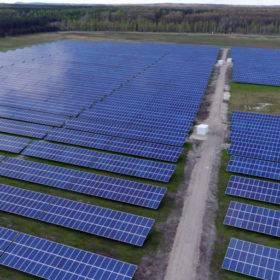
Germany installed almost 3 GW of solar in 2018
PV demand grew 68% year-on-year from the level seen in 2017 as Germany’s cumulative installed solar generation capacity reached 45.92 GW.
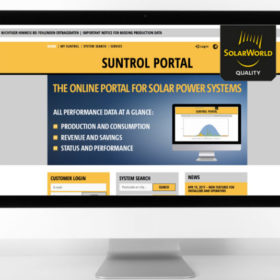
Solytic takes over SolarWorld’s PV monitoring portal
Worldwide, “Suntrol” has around 27,500 registered users. The Germany-based start up will further develop the insolvent PV manufacturer’s portal from March onwards.

Australian city will get 4 MW community battery as grid back-up
Queensland is in line for its first community-scale battery – to be installed on Townsville’s outskirts – because of the high number of rooftop solar systems and close proximity of electricity infrastructure. The energy storage system should be operating by the end of the year.
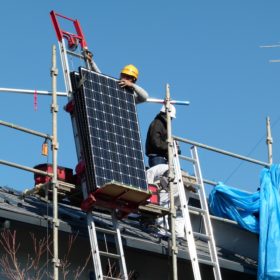
Japanese government warns against fire risk from rooftop PV
The warning was made by the nation’s Consumer Affairs Agency, which claims 172 fire accidents occurred in Japan from 2008 to 2017. The Japan Photovoltaic Energy Association said it will provide homeowners with the relevant information and stressed fire risk should not be used as an argument against the energy transition.
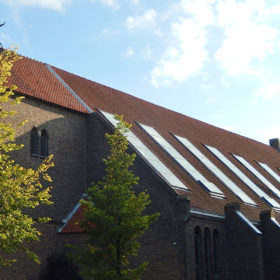
Netherlands PV market expanded by 46% in 2018
Dutch New Energy’s report reveals residential PV is no longer the largest growth driver – commercial and industrial and large-scale solar are now taking the lead. With newly installed PV capacity of 1.3 GW, the country saw its largest increase in new installations last year.
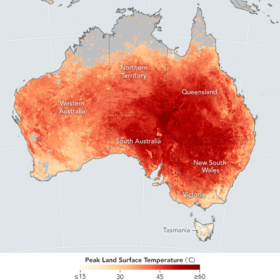
‘Renewable energy is the way of the future’
The Australian states of Victoria and South Australia suffered blackouts at the end of last week as a heatwave drove up air conditioning power demand and coal-fired power stations couldn’t cope. Extreme weather is debunking arguments for new fossil fuel generation and signalling energy security lies in renewables.
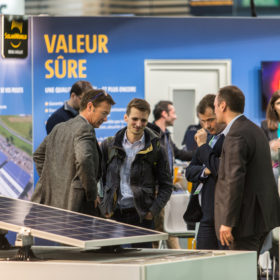
BePositive 2019 trade show – just a few weeks away – taking PV center stage
The show is expected to grow by 40% compared to last year. And the organizers say solar PV will have a higher profile than ever.
Wallonia’s controversial residential PV fee may only apply to new systems
The energy regulator of Belgium’s French-speaking region has announced the fee for residential PV will come into force next year and may apply only to installations grid-connected after July 1 this year, as proposed by the regional government.
California rooftop legislation lifts order book for Swedish equipment supplier
CIGS thin-film production equipment company Midsummer posted record orders in 2018. With a U.S. partner, the company noted uptake was partly due to Californian requirements to integrate PV into all new (low-rise) buildings from next year.
