
Ikea to begin the sale of solar modules in Sweden
By 2025, the furniture giant plans to offer solar panels worldwide at its stores. The company is in negotiation with potential partners and a supplier for the sale of PV panels in Sweden, which is planned to start in the autumn.
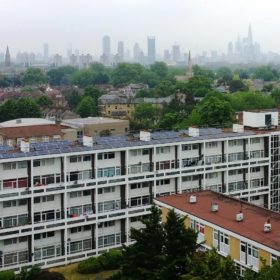
EDF commissions ‘France’s largest collective self-consumption PV project’
A social housing development of 100 dwellings will benefit from the electricity generated by 600 sq meters of PV panels. Any output not used by residents will power hot water tanks, effectively functioning as an energy storage element of the project.
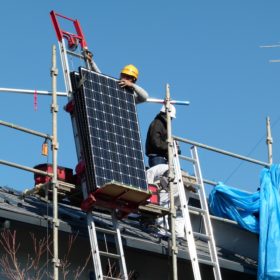
UK mulls 15% rise in VAT rates that would hit residential solar and storage
Having declared a climate emergency last week, the U.K. government is considering raising VAT rates from 5% to 20% on ‘energy saving materials’ in the home. While the tax authorities are blaming Europe, trade body the REA has pointed out the 5% rate would still apply for coal used for domestic heating.
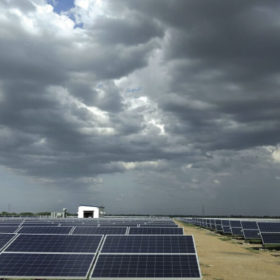
IEA warning against stagnation of renewables
After two decades of growth, the amount of newly installed renewable energy capacity is no longer rising and, despite a 7% growth in electricity generation from clean energy sources, global energy-related carbon emissions have risen 1.7%.

Swedish Energy Agency eyes PV to achieve 100% renewables by 2040
Though PV will remain in the shadow of wind and hydropower in the north of Europe, an ambitious solar deployment scenario in Sweden could lift the market into the gigawatt club through to 2040.
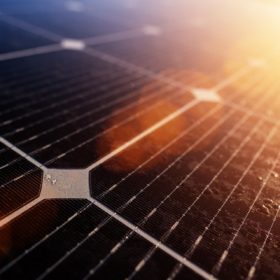
Solar distributed generation set for another record year in Brazil
New PV installations under the nation’s net metering scheme grew 137% year-on-year from January to March, according to consultancy Greener, and module imports registered even greater growth, signalling activity in the distributed generation segment is increasing at a faster pace. With the regulator mooting changes to the net metering regime, however, it may reflect customers rushing to secure current tariffs.
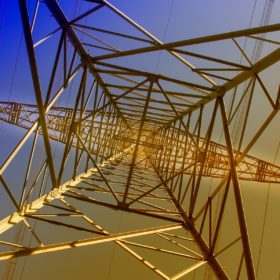
Power-surplus Indian state says no to new solar capacity
Karnataka state has been forced to apply the brakes to new solar with its power distribution companies having fulfilled their renewable purchase obligations for the next two years. Projects driven by federal agencies will continue, however.

How is Tesla selling residential solar for less than $2 per watt?
High-profile CEO Elon Musk has delivered on his promise to slash prices for residential solar. And the company’s reduction of prices to as low as $1.75/W after the federal tax credit is applied is likely a result of the move to online sales.
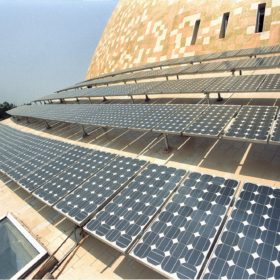
France sets second-quarter FITs for rooftop solar systems
The feed-in tariff granted reduces each quarter in line with how much solar capacity was installed in the previous three-month period and the drop will be felt more keenly in sun-rich Corsica and the nation’s overseas territories than on the mainland.
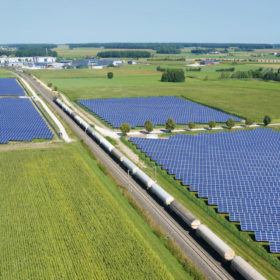
Germany added 350 MW of new solar capacity in March
The strong growth registered in the first quarter of the year – when 1.27 GW of new PV was deployed – will prompt a 1.4% reduction in the FIT price for the three-month period up to July.
