
Hanergy’s $1bn HanTile announcement has turned out to be a typo
The thin film manufacturer says it has issued clarifications to media after pv magazine pointed out it had announced a blockbusting HanTile agreement in the wake of Intersolar Europe.

PV leads the way as renewables threaten coal-fired power
With clean energy being generated at lower and lower prices around the world, solar power is playing a leading role in bringing the curtain down on coal, and will help the decarbonization of transport and space heating too.
Interview: Solaredge’s Handelsman says integration is critical
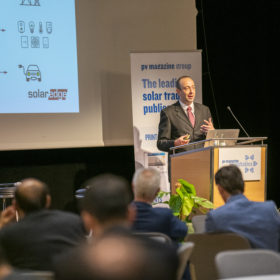
At the Smarter E Europe trade show in Munich, pv magazine caught up with Lior Handelsman, VP for marketing and product strategy and founder of Solaredge. The Israeli company made headlines as it went on an acquisition spree in the last year to leverage its position in the storage and EV charging business.
India’s solar industry digests prime minister’s latest landslide victory
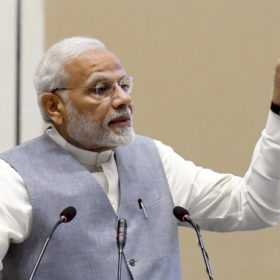
With Narendra Modi’s government stunning pollsters with another huge win, the solar industry expects renewable power momentum to be maintained with steps including anti-dumping duty on solar module imports, a national policy for rooftop solar and an emphasis on easing private-sector participation in the power sector.
Heliatek and Lechwerke test PV facade on grain silo
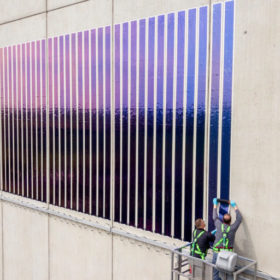
The two companies have glued 230 square meters of solar film to the rough concrete surface of a grain silo in Donauwörth, Germany. The film is expected to generate approximately 6,700 kWh kilowatt-hours of solar power per year. Lechwerke and Heliatek want to open up new potential for the use of PV on other surfaces with the pilot project.

Thailand launches net metering scheme for residential PV
The program will be open to solar power systems with a generation capacity larger than 10 kW. Initially, some 100 MW of solar power will be allocated through the mechanism. Net metering tariffs, however, will be little more than half the current electricity price.
Solar the key to progress on global access to electricity
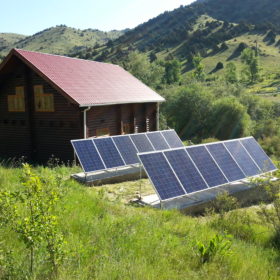
A tracking report from five major international agencies finds the world is lagging behind sustainable development goals for 2030. While more effort is needed to reach some of the world’s poorest populations, though, notable progress has been made in reducing the electrification deficit, thanks to off-grid solar and minigrids.
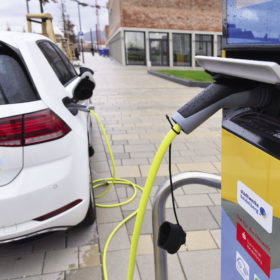
Electric vehicles help slash payback periods for residential PV
The Institute for Energy Economics and Financial Analysis has estimated the effect on the payback period of PV systems when adding EVs and storage in Germany and Britain. In both cases, system owners are likely to reduce their payback period by significant margins as increased self-consumption can offset the incremental phase out of government incentives.

California’s Solar Bill of Rights has been gutted by lawmakers
What was originally a landmark bill to establish rights for the owners of PV systems has made it to the floor of the California Senate in a dramatically reduced form.
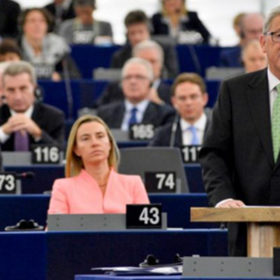
EU Council of Ministers gives final green light on clean energy package
Long awaited – and even longer debated – the 1000 pages of legislation have finally been adopted by all EU institutions. Over the coming 18 months, there will be changes, some big, some small, to the markets in Europe. Across the continent, the renewable energy industry is likely to benefit.
