
CTC launches ‘high-capacity’ air-to-water heat pump
CTC-UK, a unit of Sweden’s CTC, has introduced the EcoAir 720M air-to-water heat pump for residential and commercial sites, with cooling capacity up to 22.7 kW and a seasonal coefficient of performance ranging from 3.41 to 6.35.

Improving PV cleaning schedules without large datasets
Scientists in Algeria have developed a low-cost solution to optimize cleaning operations for all PV systems. The proposed approach works “effectively” without heavy data requirements, according to its creators.

Schneider Electric acquires WattBuy home-electrification software platform
Schneider Electric is expected to merge WattBuy with EnergySage and Qmerit to provide an end-to-end experience for residential solar, EV integration, home electrification, and related services.

Serbia reaches 281 MW of solar capacity
Serbia’s solar market topped 5,000 prosumers in the first half of 2025, though no plants above 10 MW are online. The country has a gigawatt-scale pipeline and procured 124.8 MW in its February renewables auction.
pv magazine Homeowner Guide: Finding the right solar installer
pv magazine is compiling a guide to home solar installations, aimed at those who are interested in installing but are new to the market and want to make an informed decision. We have spoken to associations, installers and industry specialists in major solar markets across the globe to compile best practice guidance and advice that aims to be applicable to home solar installations anywhere in the world.

Portugal surpasses 6.1 GW of solar capacity
Portugal’s solar capacity reached 6.17 GW in May, according to the country’s renewable energy association. While distributed generation is steadily expanding, a quicker rate of deployment across all market segments will be needed to meet 2030 targets.

Brazil’s solar capacity reaches 60 GW
The latest report from the Brazilian Association of Photovoltaic Solar Energy (Absolar) says Brazil’s operational solar fleet consists of 42.1 GW from small and medium-sized systems and 17.9 GW from large-scale solar plants. Solar currently represents 23.5% of all installed capacity in the Brazilian electricity grid.

Advantage of back-contact solar modules in shading scenarios is limited to specific conditions, study finds
Researchers from Trina Solar and China’s Nanchang University claim to have verified that back-contact solar modules outperform TOPCon modules only when fewer than three cells in a substring are shaded. Their findings were published in a peer-reviewed scientific paper.
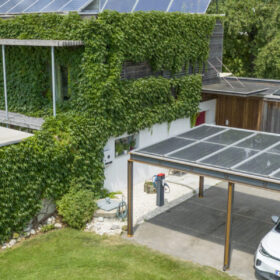
Austria allocates €12 million for solar-plus-storage rebates
The Austrian government had budgeted €12 million ($14 million) for a second funding round but wants to finance successful applications and bring 220 MW new solar and 200 MWh of storage online.
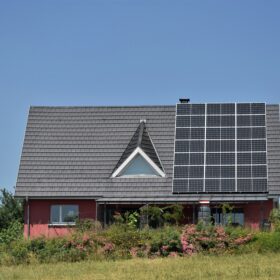
Residential solar shifts from surge to strategy: EUPD report spotlights market leaders
Europe’s residential solar market takes a strategic turn as EUPD Research unveils its third edition of the Market Leadership Study Europe©, highlighting the continent’s top installers, emerging business models, and key sector trends.
