Botswana-Namibia green hydrogen project expands to 5GW
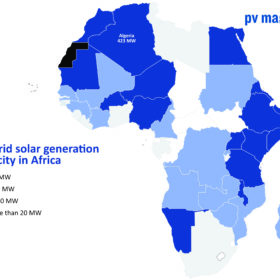
The raised ambition of an already huge renewables-powered hydrogen project in the Southern African nations vividly demonstrates the hydrogen and clean energy potential of a continent which accounted for just 0.5% of the world’s new solar capacity last year, according to trade body AFSIA’s annual report.
Germany deployed 5.26 GW of solar in 2021
The country saw around 421 MW of new PV capacity come online in December alone. Its cumulative solar power reached 56.3 GW.
Australia’s NSW declares massive 8 GW renewable energy zone
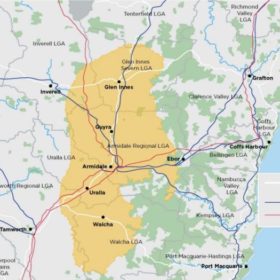
The New South Wales Government is forging ahead with plans to bring 12 GW of renewable energy and 2 GW of storage online by 2030 with the formal declaration of Australia’s second coordinated renewable energy zone in as many months.
Italy allocates 710 MW of solar in seventh renewables auction
In the procurement exercise, the Italian authorities selected 49 solar projects with a capacity of less than 10 MW and 11 solar parks ranging in size from 13.2 MW to 92.4 MW. The lowest bid came in at €0.06263/kWh and was offered for a 5.9 MW solar project located in the province of Perugia, in the Italian central region of Umbria.
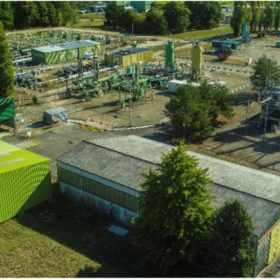
The Hydrogen Stream: Underground hydrogen storage for 1 MW electrolyzer in France
Elsewhere, several hydrogen projects were announced in Norway, Germany, India, China and the UK. Royal Dutch Shell started operations at the power-to-hydrogen electrolyzer in China and Germany’s Linde Engineering signed a contract for the construction a green hydrogen demonstration plant in Norway. Furthermore, Green Hydrogen Systems signed a supply agreement with Edinburgh-based Logan Energy to deliver electrolysis equipment for a project in England.
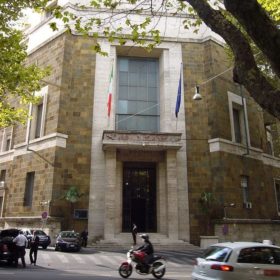
Italy introduces 11-month retroactive incentive cut on PV systems over 20 kW
The incentive cut will apply only for the period from February 1, 2022, to December 31, 2022, and will reduce the tariffs paid by the GSE to PV system operators under the Conto Energia regime, depending on the zonal energy price, with the incentive reduction being proportional to the increase in energy prices.

Germany launches 1.1GW PV tender
The deadline to submit bids is March 1 and the offered capacity is 1,107.7MW instead of the originally planned 617MW. The ceiling price has been set at €0.0557 per kWh.
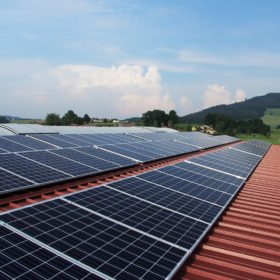
Wood Mackenzie expects return to solar panel price falls this year
Wood Mackenzie has made its predictions for the Chinese energy market in 2022 and said the country could install almost 120GW of solar and wind power generation capacity.
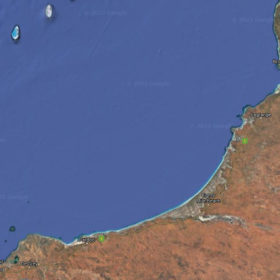
Singapore sovereign wealth fund backs Australian green hydrogen developer
The InterContinental Energy company behind two proposed green hydrogen megaprojects in Western Australia – the 26GW Asian Renewable Energy Hub and the 50GW Western Green Energy Hub – has received the backing of Singapore’s US$744 billion sovereign wealth fund GIC.
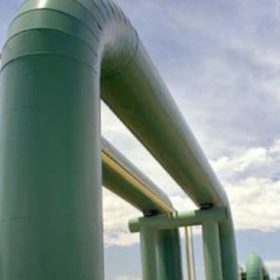
Long-distance hydrogen interconnectors from an LCOE/LCOS perspective
New research from the U.K. shows the increasing competitiveness of long-distance hydrogen interconnectors over the next three decades. Compared to high-voltage electricity cables, hydrogen interconnectors may soon achieve a much lower levelized cost of storage and their ability to further reduce the final LCOE will depend on how much electrolyzer costs will reduce over the years.
