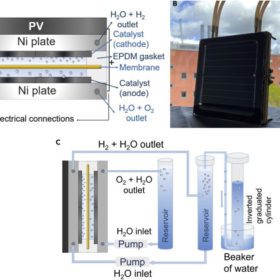
Thermally integrated PV-electrolyzer with 9.1% solar-to-hydrogen efficiency
A Swedish research group has developed a device combining CIGS thin-film solar modules and an alkaline electrolyzer based on a trimetallic cathodic catalyst made of nickel, molybdenum, and vanadium (NiMoV) and an anode made of nickel oxide (NiO). The electrolyzer achieved an average solar-to-hydrogen (STH) efficiency of 8.5% for stable operations during 100 hours.

The EU plan to drastically ramp renewables to replace Russian gas
The European Commission yesterday announced its intent to remove demand for two-thirds of its Russian gas supply in less than nine months and hugely accelerating the rate of solar deployment is a central part of its radically raised clean energy ambition.
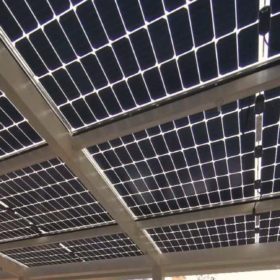
Longi releases Hi-MO 5 snow-load test results
Longi Solar has released the data of an inhomogeneous snow-load test. Its results show that its 72-cell solar modules held 1,800 pascals more force than a competing large format product using 210 mm cells.

Submersing modular raft for floating photovoltaics
Developed by a Dutch consortium, the Hide and Shine Floating Solar (HAS FPV) technology is claimed to be extremely resistant to storms and harsh weather conditions. The modules can be submerged totally or partially and, in case of a severe storm, they can be submerged up to two meters below the surface.
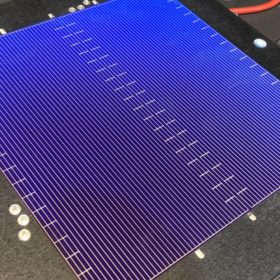
Chinese PV Industry Brief: Wafer prices rise as Aiko Solar halts shares offering
Manufacturers Longi and Zhonghuan Semiconductor have both raised the price of their 182mm wafers while holding the cost of their other products as rival Shuangliang Eco-energy signed deals for more wafer production equipment.
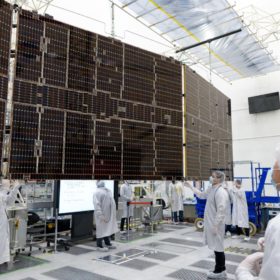
Psyche asteroid mission will be PV-powered, says NASA
NASA has said that it will explore a large, metal-rich asteroid with a remotely operated craft powered by two cross-shaped solar arrays.
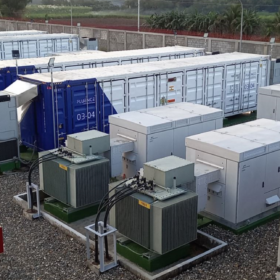
IHS Markit: Battery prices won’t fall until 2024
The London-based analyst has published a series of clean tech predictions for the year which also highlighted the rising proportion of sub-5MW solar projects in the global market, and cheaper clean energy financing costs even as panel prices continue to rise.

India’s solar cell imports rise as domestic module production expands
The nation imported solar cells worth more than $633 million from April to the end of last year, a figure higher than the value imported during the whole of the 2020-21 fiscal year.
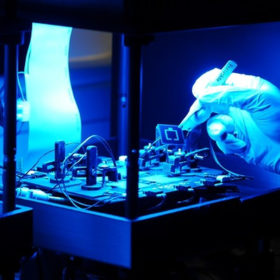
Hanwha Q Cells, Helmholtz-Zentrum Berlin claim 28.7% efficiency for 2T perovskite-silicon tandem solar cell
The Korean manufacturer and the German research center were able to improve the performance of their jointly developed tandem solar cell by almost one percentage point.

Terahertz, microwave spectroscopy for more accurate PC cell assessments
A German research group has used spectroscopic methods based on terahertz or microwave radiation and has discovered that they might help with more precise assessments of the characteristics and performance of solar cells. Their proposed approach purportedly enables the evaluation of maximum possible efficiency levels for emerging materials such as perovskites in solar cells.
