
System design for greenhouses relying on PV and ground source heat pump
Proposed by Turkish scientists, the system design consists of combining rooftop PV with a ground source heat pump in a greenhouse used for tomato, cucumber and lettuce cultivation. The solar array operates under net metering and grid electricity is used when PV generation is unable to cover demand. According to their findings, the system payback time ranges from 2.6 to 7 years.
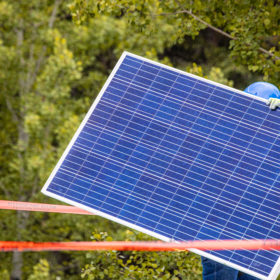
Reuse or replace? IEA PVPS analysis considers all options for underperfoming PV modules
In a new report, experts from the International Energy Agency Photovoltaic Power System Programme (IEA-PVPS) have assessed the economical and environmental benefits of repairing and reusing or replacing solar modules that are not complying with a 30-year expected lifetime. They found that reusing offers the best environmental impact in all cases, while the profitability of this option is currently guaranteed only by rooftop PV under certain conditions. As for large-scale solar, module replacement remains the most competitive option.
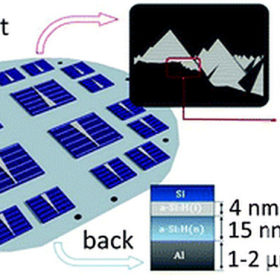
Vanadium oxide-based silicon solar cell with 18.6% efficiency via atomic layer deposition
Researchers in Spain have developed an n-type crystalline silicon solar cell based on vanadium oxide films deposited by atomic layer deposition. The cell showed an open-circuit voltage of 631 mV, a short-circuit current of 38.36 mA cm-², and a fill factor of 75.8%.
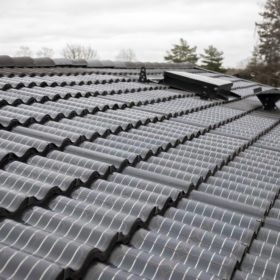
Rusnano tests made-in-Russia CIGS solar tiles
The 15%-efficient solar tile is manufactured by Russian producer Solartek with CIGS equipment provided by Sweden’s Midsummer.
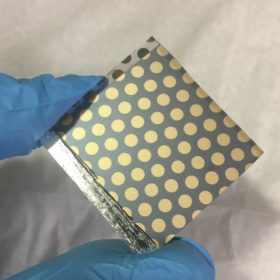
Rear-side passivation for 17.4% efficient CdTe thin film
Scientists in the United States investigated adding a layer of copper-aluminum oxide to the rear side of a cadmium-telluride thin film cell, finding positive impacts on carrier lifetime and efficiency. With further work, the scientists say, the discovery could open up new routes to higher efficiencies in CdTe solar cells.

US Commerce Department throws out anti-dumping petitions
The dismissal is a win for the Solar Energy Industries Association, which vigorously opposed the request by American Solar Manufacturers Against Chinese Circumvention (A-SMACC) for anti-dumping and anti-circumvention (AD-CVD) tariffs
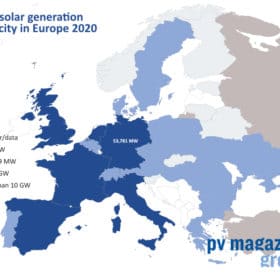
The state of EU renewables – Solar cell plans encouraging but heat pump market could go the same way as European PV did
The European Commission has published its second annual assessment of the competitiveness of the EU’s renewable energy technology industries, and it had a warning for policymakers about the trade balance trend being experienced by heat pump makers.
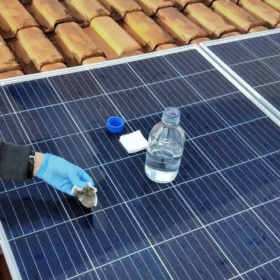
Solar panels host microbes that may be used for biotech applications
Scientists in Brazil have found that photovoltaic modules may be a repository of specialized microbes in tropical regions. According to them, these micro-organisms may be used in sunscreens, pigments for processed foods, chemicals, textiles, pharmaceuticals, and cosmetics.
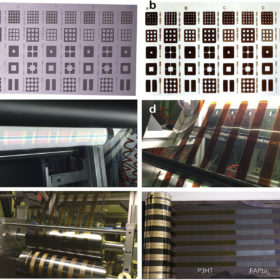
Flexible perovskite solar cells ‘from lab to fab’
Scientists in Korea evaluated recent progress in the development of low cost, large scale processes for the production of perovskite solar cells on flexible substrates, finding that several challenges remain. The group recommends that research should focus on developing novel processes and materials for perovskite solar cell production, rather than adapting those already in use elsewhere.
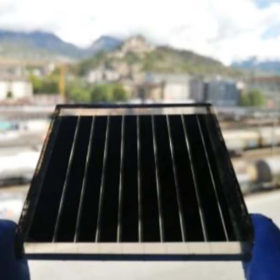
Isomer passivation for a 21.4% efficient perovskite module
An international team of scientists trialled a new approach to passivating defects in perovskite solar cells. Using a tailored arrangement of atoms, the team was able to overcome challenges related to the formation of a two-dimensional perovskite layer on top of the active cell material, and reach 21.4% conversion efficiency for a 26cm² active area, which they claim as a record for a perovskite device of this size.
