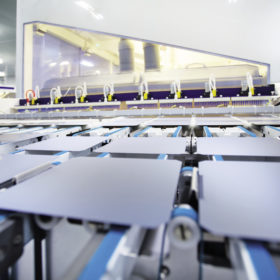
Chinese PV Industry Brief: Increasing polysilicon prices and new supply deals
PV Infolink reported a considerable increase in prices for polysilicon and wafer prices for last week. Both products saw their average price increase by over 9% compared to the previous week.

Novel solar module transport solution from Australia
Safety when transporting solar PV modules from warehouse to job site is an ongoing issue for installers but one Australian solar company has designed and manufactured a simple yet effective racking system that helps allay those concerns. The racking system comprises an aluminum frame fitted with opposing channels into which the solar modules slide.
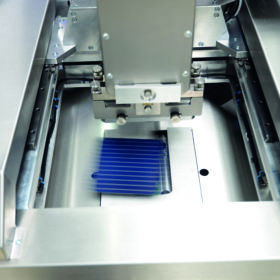
Simulating PV’s silver future
Scientists at Germany’s Fraunhofer ISE developed a model to simulate different setups for screen printing in solar cell metallization. The model provides a comparable ‘screen utility index’ value that can predict the usefulness of different architectures in the printing equipment in relation to the properties of a given silver paste. The approach, says Fraunhofer, will assist the PV industry in reducing the amounts of silver needed in silicon cell manufacturing.
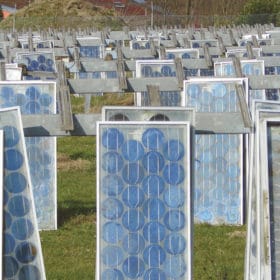
Australia expects 100,000 tons of waste PV modules by 2035
Researchers at the University of South Australia are spearheading a national push to establish a stewardship scheme to manage the impacts of PV systems through their life cycle, as increasing numbers of decommissioned solar PV modules threaten a waste management nightmare.

Avancis claims 19.64% efficiency for CIGS module
The German manufacturer said the result was confirmed by the US National Renewable Energy Laboratory. The achieved efficiency is claimed to be a world record for a CIGS panel with an integrated series connection of 30×30 cm.
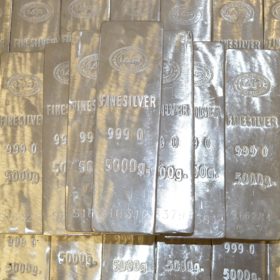
Silver accounts for 10% of PV module costs
The share of silver in the total cost of PV modules has increased by around 5% in recent months, according to US analyst Matthew Watson. He told pv magazine that silver prices are set to rise, adding that the metal will eventually account for an even larger percentage of overall module costs.

Creating an alternative PV supply chain in the US is no cakewalk
The US Solar Energy Industry Association in late 2020 launched a campaign against forced labor and said it was “strongly encouraging” member companies to adjust their supply chains by June. Here is what will likely happen.
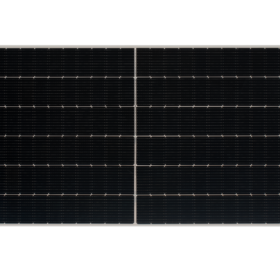
Solar modules prices rose by up to 15% in China, Jinko’s vice president says
According to JinkoSolar vice president Dany Qian, PV panel prices rose significantly since the second quarter of last year due to an increasing shortage of polysilicon, glass, silver, and module frames. She also stated that rushing demand cannot stop prices from rising for at least the next six months or longer, until sufficient capacity ramps up.
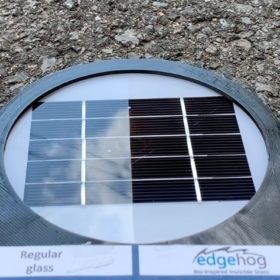
Canadian start-up secures US$2.5 million to launch omnidirectional anti-reflective glass
Edgehog secured the funds from Sustainable Development Technology Canada (SDTC). The special glass is hydrophobic and is claimed to be able to reduce the accumulation of dust and residue, thus reducing the need for maintenance.

Solar glassmaker posts another set of bumper figures
Xinyi has accelerated plans to add more furnaces this year and predicts the rebound in solar demand being driven, in part, by the desire of nations for a green recovery from Covid-19 will continue to keep supply tight.
