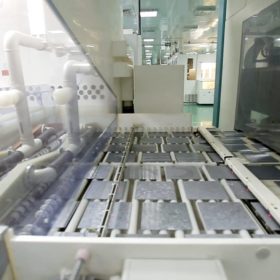
Indian incentives to support up to 13% of 240 GW of panel demand by fiscal 2030
India is targeting 280 GW of solar by 2030, of which 240 GW has yet to be built, but India Ratings says the country’s production-linked incentives will only cover up to 13% of future deployments.

US shingled module maker to move production out of Asia
GAF Energy has announced plans to set up a new manufacturing facility in California. It currently produces BIPV panels in South Korea.

Chinese PV Industry Brief: Zhonghuan raises wafer prices as president calls for faster action on emissions
Henan province immediately responded with a plan to deploy another 20 GW of solar and wind by 2025.

Exeger ramps up dye-sensitized solar cell production in Sweden
The Swedish company secured $38 million to build a manufacturing facility it has planned with the support of Swiss conglomerate ABB. The factory will be located in Stockholm and produce the company’s Powerfoyle products.
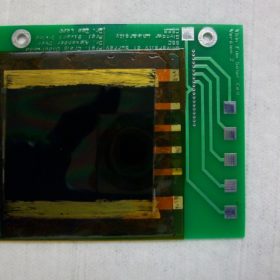
Cadmium telluride solar cells for space applications, BIPV, unmanned aircraft
U.K. researchers have developed a flexible thin-film cadmium telluride (CdTe) solar cell for use in ultra-thin glass for space applications.

New accountant to probe whether GCL project payment was between ‘related parties’
The near-$80 million handed over to a contractor in 2019, of which around $2.3 million was retained by the recipient, is now being investigated by an independent accountant. Meanwhile, GCL’s shares remain suspended because the payment issue is holding up its 2020 accounts.
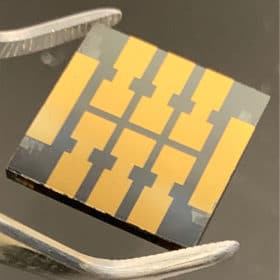
Perovskites stick together for better performance
Scientists in the U.S. demonstrated an additive that acts as a “molecular glue” within a perovskite solar cell. Treating the cells with this self-assembled monolayer material was shown to greatly improve their long-term performance, whilst also providing a boost to conversion efficiency. And the scientists further point out that the treatment relies on simple processing and readily available materials – good signs for its applicability in manufacturing.
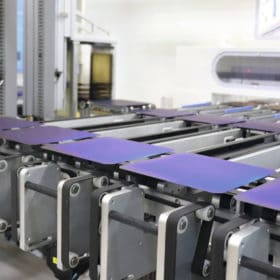
Jolywood signs mega-deal to supply 7 GW of household solar
Based on the price agreed for the first year of the five-year contract, the total deal would be worth almost $4 billion to the $1 billion company. However, with input costs rising and the state-owned sponsor likely to expect to pay lower fees for subsequent years, the TOPCon manufacturer’s margins may not remain so fat.
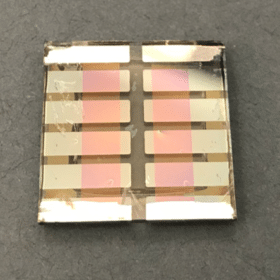
Organic solar for optical wireless data receivers
Researchers in the United Kingdom have built a 14%-efficient organic PV device that can be used in high-speed optical wireless communication systems. The cell consists of a 4×2.5mm photoactive layer fabricated with a bulk heterojunction of a polymer donor and fullerene and non-fullerene acceptors.
The weekend read: Life after PERC
The pursuit of higher conversion efficiencies is an eternal theme in the PV industry. Among all the links in the chain, cell technology is the most fundamental and decisive element. As we look beyond the established PERC technology, whether heterojunction or TOPCon will become the dominant “next-gen” solar cell among China’s manufacturing giants is emerging as a balancing act between incumbent and upstart, reports Vincent Shaw from Shanghai.
