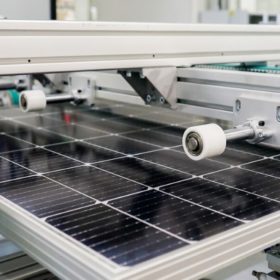
Chinese PV Industry Brief: Polysilicon, module prices continue to rise
Polysilicon prices continued to soar this week. Prices have been rising across the PV supply chain since mid-July due to recent accidents at two Chinese polysilicon factories, according to EnergyTrend.
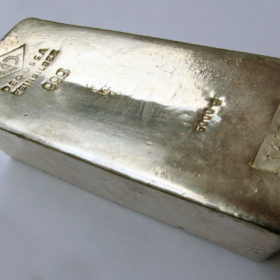
Silver price rally won’t affect PV industry
Silver prices reached their highest levels this week since 2016. But Michael DiRienzo, executive director of The Silver Institute, says prices are still not high enough to complicate silver supplies for the PV industry.
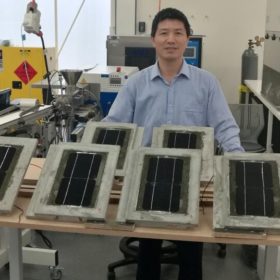
Solar tile with passive cooling
Researchers built the device by attaching 17%-efficient monocrystalline PV cells to a mortar roof tile that was doped with a phase-change material (PCM). The PCM solar tile provided 4.1% more power than the PV tile with no cooling agent in the winter, and 2.2% to 4.3% more during the summer.
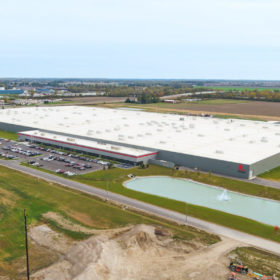
First Solar posts strong Q2, sells O&M unit to NovaSource
Another stalwart of the solar industry was able to take the necessary precautions in order to maintain a sense of normalcy during the pandemic, leading to a quarter of increased sales, net cash, and a positive outlook to finish off the year.

The PV world ten years ago – summer series part II
pv magazine editor Pilar Sánchez Molina recalls news from the PV sector of ten years ago as part of a new series. The insights offered will not only bring back memories for the pioneers of that exciting, challenging period but may also offer an idea of where we could be in 2030.
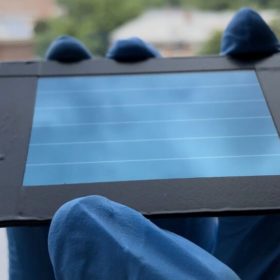
‘Spontaneous de-doping’ for 17.8%-efficient perovskite mini-module
U.S. scientists have found a new ‘de-doping’ process in perovskite solar cells that could cut production costs and produce better devices. They have used this to fabricate a mini-module with 17.8% efficiency.
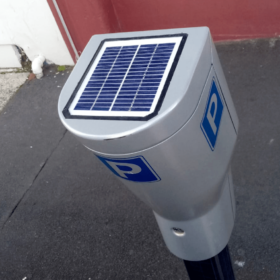
Solar for parking machines
New Zealand researchers have proposed a way to assess the technical and economic feasibility of PV-powered parking machines. Solar might be an ideal solution, but the siting of the machines is critical and should be planned in advance, in line with available solar radiation and potential shading.
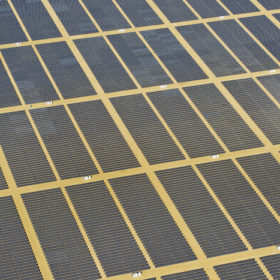
SunPower survived shutdowns to post strong Q2
Supply chain and manufacturing disruptions will lead to shipping decreases in the third quarter, but SunPower’s pre-pandemic measures ensured strong performance, solid demand, and higher installations.

Covid-19 weekly round-up: Updates shed light on tough second quarter for solar industry firms
But Israeli inverter company Solaredge and Indian engineering, procurement and construction services provider Sterling and Wilson have both offered hope of a recovery in Europe as Chinese glass producer Xinyi said it kept the furnaces going throughout the worst of the pandemic.
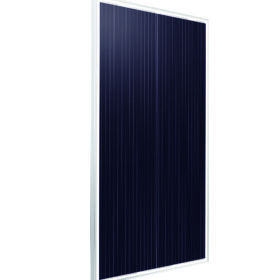
Recom unveils tri-cut solar panel series
The Jaguar series, with 20.81% efficiency and 445 W of maximum output, may be a solution for installations with space constraints. The panels are based on a special cell design, which Recom describes as an evolution of the half-cut cell concept.
