Chinese solar glass company keeps 24-hour furnaces running during Covid crisis
Xinyi Solar has revealed another impressive set of figures and plans another 1,000-ton-per-day production line this month plus a new mine to source raw materials in September.
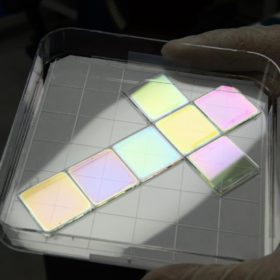
Cadmium-free CIGS solar cell with 18% efficiency
South Korean scientists manufactured the cell with the chemical bath deposition method, using different thiourea concentrations. For the buffer layer, they used zinc instead of cadmium sulfide. The cell is flexible and is available in seven different colors.
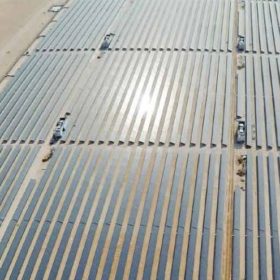
Chinese PV Industry Brief: Big deals in the Middle East
Shanghai Electric has won a contract to build the fifth 900 MW phase of a 5 GW solar park in Dubai. JA Solar also agreed this week to supply 138 MW of PV modules for two projects in Jordan.
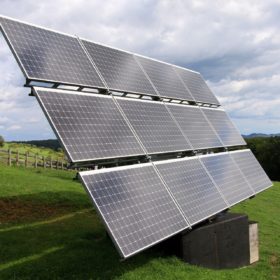
Fuzzy logic MPPT to improve PV system performance
A Pakistani-Chinese research group has demonstrated a new maximum power point tracking method, based on a fuzzy logic algorithm to provide faster results. The converter tech is claimed to have an impact on PV system efficiency and provide isolation between the load and the PV array.
India confirms one-year extension of solar cell import duty
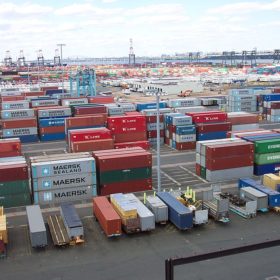
The ‘safeguard’ duty will be levied on Chinese, Vietnamese and Thai solar cells – whether assembled into modules or not – at 14.9% from today and falling to 14.5% in six months’ time. Malaysian products are exempted as their imports have fallen dramatically since the duty was introduced, in July 2018.

Restrictions for solar on agricultural land may slow PV growth in Taiwan
Taiwan-based TrendForce says the nation added only 410 MW of solar capacity to the end of May, towards this year’s 2.2 GW target. The lower-than-expected deployment volume may be further hampered by new restrictions for PV on agricultural land introduced by the Council of Agriculture this month.

Understanding the fate of end-of-life modules
Scientists in India have taken a close look at the potential impact of growing volumes of PV waste, and have conducted surveys that suggest a lot more work is needed from manufacturers and policymakers to develop management systems for end-of-life PV products.
Chinese PV Industry Brief: Higher cell prices, 1.2 GW module auction
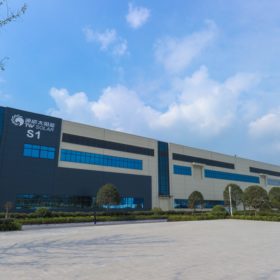
Tongwei has revealed its PV cell prices for August, while Canadian Solar has announced plans to list shares of one of its units in China. Energy China, meanwhile, has kicked off an auction for 1.2 GW of solar panels.

How much vertical BIPV is too much?
A French-Italian research group has shown that BIPV facades on buildings can cause a ‘darkening’ effect by reducing light reflectance on nearby installations, dragging down energy production by 11%. The ‘urban heat island effect’ can also weigh on PV system performance, the researchers said.

EU maintains anti-subsidy and anti-dumping duties on solar glass from China
The European Commission has concluded that there are no compelling reasons to scrap definitive countervailing and anti-dumping measures on solar glass imports from China. Currently, the anti-subsidy duties range from 3.2% to 17.1%, while anti-dumping tariffs are between 17.5% and 75.4%.
