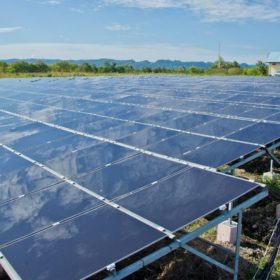
Chinese investment in renewables soars under Belt & Road initiative
A report by Greenpeace has found in the five years since China announced the continent spanning ‘One Belt, One Road’ infrastructure plan, investment in Belt & Road countries has supported 12.6 GW of wind and solar power generation capacity. That compares with just 450 MW which came online in the territories before 2014. The initiative has also supported 68 GW of new coal capacity.
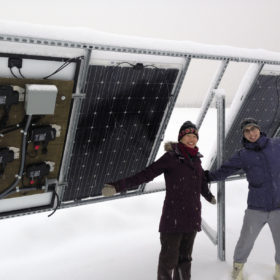
The weekend read: Pursuing a 20% bifacial boost
Research on bifacial solar panel performance has moved performance analysis closer to a standardized practice than ever before. More field tests are underway across the United States, and the first waves of data are expected this year. These tests will help standardize a predictive model for bifacial projects that is bankable.
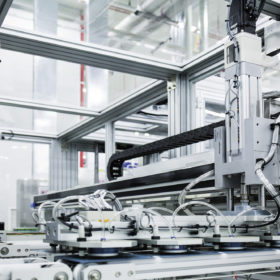
Hanwha Q-Cells assumes market leadership in Europe
In Germany, the Korean PV manufacturer increased output to 760 MW last year. Despite a highly competitive environment and persistently high pressure on margins, Hanwha says it is looking to the future with optimism. The company has further diversified away from solar module production in recent months.

Chinese solar production figures continue to ramp up
Quasi-governmental body the CPIA has released first-half figures for the world’s biggest solar marketplace which show production volumes for export markets continuing to expand and the domestic picture set to rebound after public solar subsidy levels were published.
No respite for REC Silicon as shutdown dominates Q2 figures
The Norwegian polysilicon supplier – which has most of its manufacturing operations on U.S. soil – cannot give any estimate on when its solar material production lines will return, and has been left entirely dependent on the semiconductor products made by its Montana facility.
Longi signs $540m wafer supply deal
The contract figure is based on today’s mono prices and equates to almost 20% of the revenues seen in 2018. The supply deal is the second big order the company has secured in 12 months.
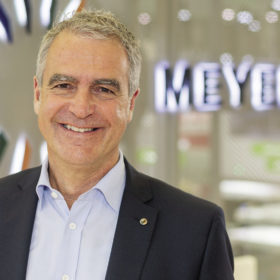
Meyer Burger seals $100 million HJT order, expects to hit break-even in first half
Swiss equipment supplier Meyer Burger has signed a contract to supply heterojunction cell manufacturing equipment to an unnamed North American manufacturer. The company also posted its preliminary results for the first half, posting a $14 million EBITDA loss but stating it expects to break even for the period after selling its wafer business.
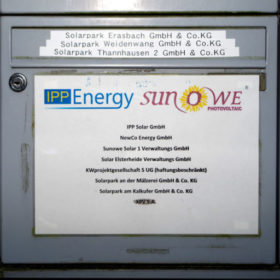
Sunowe’s trial for solar panel smuggling in Germany: customs must bring evidence
In the fall of 2017, German customs had revealed a “fraud cartel” around the Chinese photovoltaic manufacturer Sunowe, which is said to have circumvented the applicable minimum import prices. Among the arrested suspects was a local politician, which drew significant attention to the case. This year, the trial started in the spring, but suspension came at the beginning of July when the customs office did not provide evidence in time. A restart of the trial is expected this winter.
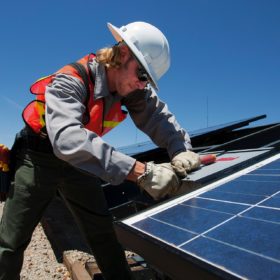
Solar panel demand expected to reach 125.5 GW in 2019, TrendForce says
According to the Taiwanese market research company, PV panel demand will increase by 16% over 2018 shipments. TrendForce also believes this growth trend will continue in 2020.
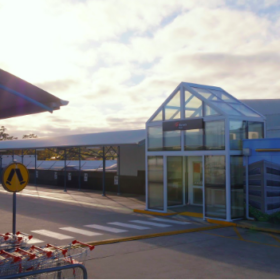
ClearVue inks solar strip module supply deal with BeyondPV
Western Australia-based solar glass developer ClearVue has signed a deal with Taiwanese thin-film solar module manufacturer BeyondPV to set up a dedicated production line for solar strip modules at its production facility in the city of Tainan.
