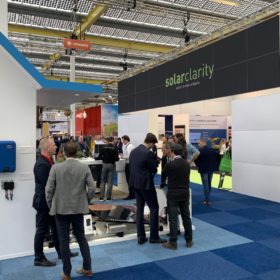
Sunny prospects for the Netherlands
The exhibition halls of the Solar Solutions Int. trade fair near Amsterdam are full and visitors seem optimistic. And for good reason, as 2 GW of PV capacity could be built in the Netherlands this year — a solid 40% jump on last year’s installations.
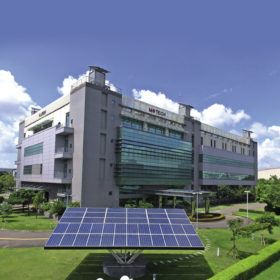
Motech posts record $220.5m net loss in 2018
Motech Industries revealed this week that its annual net loss widened by 124.19% year on year to NT$6.795 billion ($220.5 million), marking its biggest yearly net loss ever.
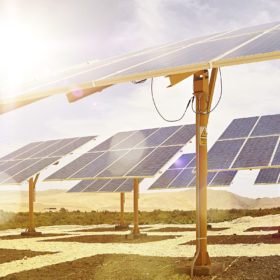
Canadian Solar’s PV module shipments surpass 6.6 GW in 2018
Canadian Solar recorded net income of $237.1 million in 2018, from $99.6 million a year earlier, on annual PV module shipments of 6.62 GW.
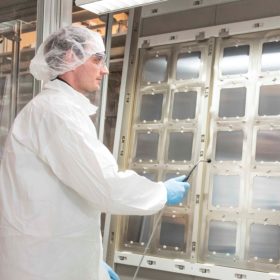
Meyer Burger, Oxford PV sign perovskite cooperation deal
Meyer Burger has struck a strategic partnership with Oxford PV to expedite the mass production of perovskite on silicon heterojunction (HJT) tandem cells.
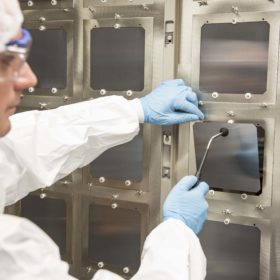
Oxford PV raises $41m to commercialize perovskite tech
Just three months after revealing that it had achieved a 28% conversion efficiency with its perovskite-silicon tandem solar cells, Oxford PV has closed the initial portion of a Series D funding round aimed at bringing its core technologies to market.

Meyer Burger contract announcement emphasizes difference from Hanwha passivation tech
With the legal squabble between Hanwha Q Cells and three rival solar manufacturers now encompassing three countries, equipment supplier Meyer Burger saw fit to refer to the dispute in its latest announcement of an Asian contract win.
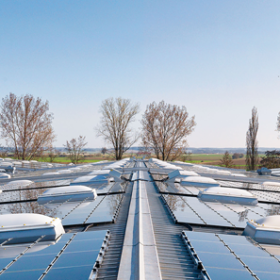
Shunfeng forecasts $255m loss for 2018
Shunfeng International Clean Energy expects its annual losses to have widened to around $255 million last year, up from $125 million in the preceding 12-month period.

QMC licences quantum dot, thin film cell technology for Indian manufacture
Indian company Amtronics CC has paid Quantum Materials Corp an initial $500,000 as part of an agreement securing the right to manufacture quantum dots and thin-film quantum dot solar cells based on QMC technology for commercial supply in India. Construction has already started on a manufacturing facility in the state of Assam.

India extends bid deadline for latest attempt to attract solar manufacturers
The deadline for the Solar Energy Corporation of India’s latest attempt to incentivize solar manufacturing, by offering generation capacity, has come and gone. The government body’s attempts to kick-start domestic production have thus far made little headway.

A 20% solar electricity ambition and 30 million roofs for Europe
The new CEO of SolarPower Europe, Walburga Hemetsberger, explained her goals for the development of the European solar industry in the next 10 years when interviewed by pv magazine during the association’s SolarPower Summit in Brussels.
