
Germany slashes VAT for residential PV to 0%
The German parliament has approved a new package of tax breaks for rooftop PV, including a value-added tax exemption for PV systems up to 30 kW in size.

Novel sodium-sulfur battery for renewables storage
A Chinese-Australian research group has created a new sodium-sulfur battery that purportedly provides four times the energy capacity of lithium-ion batteries. They say it is far cheaper to produce and offers the potential to dramatically reduce energy storage costs.

Finnish mine to host 75 MW/530 MWh underground pumped hydro facility
Suomen Energiavarasto Oy has secured €26.3 million ($27.5 million) from the Finnish government to build an underground pumped hydro project at a former zinc and copper mine.

Canadian company unveils portable off-grid solar, battery kit
SEI Logistics has developed a portable, folding solar panel kit with batteries. The system is designed to work in harsh, remote environments.
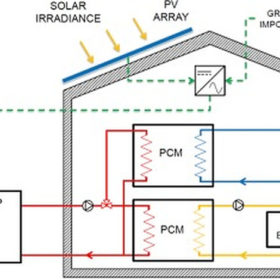
PV-powered residential air-source heat pump with PCM thermal storage
A UK research group has proposed the combination of solar-powered heat pumps and thermal storage based on phase-change materials for residential applications. They said such a system could facilitate cost savings of up to 39%.
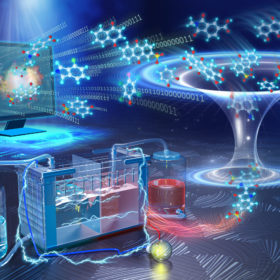
Scientists identify molecules for potential use in redox flow batteries
Scientists at the Dutch Institute for Fundamental Energy Research (DIFFER) have set up a database of 31,618 molecules that could potentially be used in future redox flow batteries. They used artificial intelligence and supercomputers to identify the properties of the molecules.
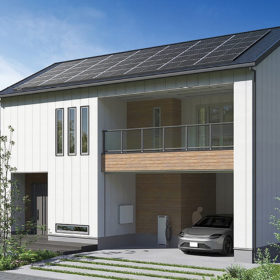
Panasonic unveils vehicle-to-home system for PV-powered homes
Panasonic claims that its new vehicle-to-home system can increase the self-consumption rate of residential solar and storage capacity to 90%.
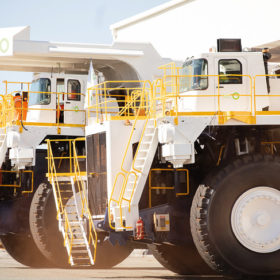
Weekend read: Shining magnate
Mining magnate Andrew “Twiggy” Forrest is the founder and executive chair of Australian iron ore producer Fortescue Metals Group. The company has announced an ambitious $6.2 billion decarbonization strategy and its Fortescue Future Industries subsidiary has rapidly become a global player in green hydrogen, along with a host of other energy transition technologies. Whether it is pushing to decarbonize mining, hashing out headline-making green energy deals, or using the popular “Rick and Morty” cartoon to educate people about the potential of green hydrogen, Fortescue and its shining magnate are talking the talk. But can they walk the walk? Blake Matich reports.

Spain provides financial support for 600 MW of utility-scale storage
The Spanish government say it will finance five hybrid battery energy storage projects, with a cumulative installed capacity of at least 600 MW. Each project can secure up to €15 million ($15.68 million) in funding.
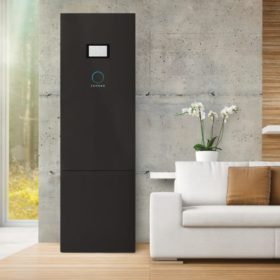
Italy hits 959 MW/1,826 MWh of distributed storage capacity
Italy added 303 MW/632 MWh of distributed energy storage capacity in the first nine months of 2022. The segment continues to grow in the country, led by the regions of Lombardy and Veneto.
