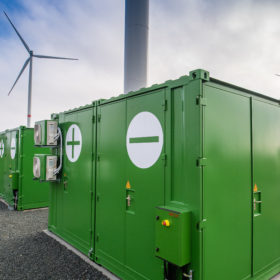
When the battery is a building… or vice versa
AES has announced the start of construction of its Alamito Energy Center, a 100 MW/400 MWh battery for electric utility SoCalEdison which is being constructed as a full-on building – much like a data center.
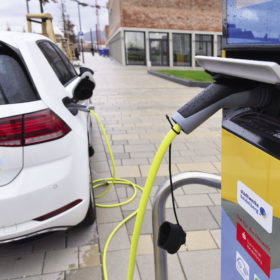
Electric vehicle announcements point way ahead for UK transport – with or without government support
Two of the nation’s largest commercial fleet operators have pledged to go all-electric by 2030, beating the government’s ambition by a decade, and carmaker Jaguar Land Rover has made a big electrification announcement – but insisted the politicians need to show similar bold ambition.
‘Transforming Australia from a global laggard to a leader in transport innovation,’ Chargefox flexes EV charging muscle
Australia’s only public ultra-rapid EV charging network has opened the most powerful charging station in the Southern Hemisphere. At the same time it announced a partnership with Yurika and the Queensland state government to manage the 17 fast charging sites that make up the Queensland Electric Super Highway.
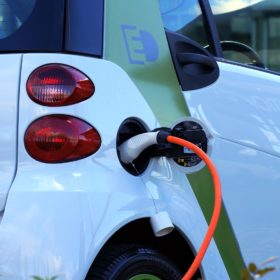
Indian ministry calls for EV manufacturing equivalent of Detroit
The nation’s annual Economic Survey placed EVs at the heart of India’s decarbonization and called for an industrial hub where electric vehicles and the batteries to run them could be manufactured.
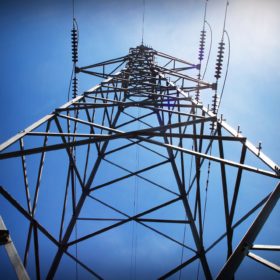
EY blog warns grid operators ‘the clock is ticking’
The energy transition is accelerating, Ernst & Young global energy leader Benoit Laclau has warned grid operators, thanks to the confluence of digitization, decentralization and decarbonization. Traditional utilities must get with the program or be swept aside.

South Australia gives 500 MW solar farm plus 250 MW battery plan the go-ahead
One of Australia’s largest utility scale solar arrays – and the biggest energy storage facility – has secured approval.

Moixa contracted under residential flexibility power scheme in the UK
U.K. Power Networks has tendered 18.2 MW of flexible power capacity to six companies across eight regions. With regular feed-in returns hanging in the wind in the U.K., flexibility and peak time management payments could be an alternative source of income for the solar industry.

Unlocking lithium metal’s stored potential
Several new concepts in lithium-ion storage technology have the potential to greatly the increase the energy capacity of batteries. Among them are lithium metal anodes, which could potentially increase energy density by more than 50%. With a newly optimized electrolyte, scientists at the University of California, San Diego have taken another step toward making the idea a commercial reality.

Growing interest in energy storage for maritime applications
The Electric and Hybrid Marine World Expo in Amsterdam last week highlighted growing interest in storage technology from the sea vessel industry. Leading global battery manufacturers had their latest charging technologies on display, catering to rising demand for clean, efficient electric and hybrid marine systems.

Single-walled carbon nanotubes go into industrial production in China
The material is a conductive additive for silicon anodes in lithium-ion batteries, helping to improve cycle life and increase energy density. It has taken decades to bring the nanotubes into commercial production.
