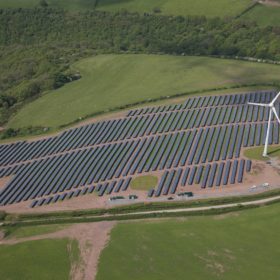
UK’s decarbonization depends on continued growth of EVs, RE, storage – National Grid
Outlining energy pathways for the next 30 years and beyond, the U.K.’s National Grid has released four different scenarios, considering growing electricity demand and a significant increase in energy infrastructure from new renewable generation and EV charging networks. Only two of them meet the U.K.’s 2050 carbon reduction target on the back of a large growth of renewables and energy storage, and almost completely decarbonized transport.
Global EV market growing sturdily despite trade dispute setbacks
EnergyTrend recognizes recent tariffs developments will hit the electric vehicle (EV) industry. Despite this, environmental regulations, as well as costs and technological advancement, will prevail and continue to drive EV sales globally.
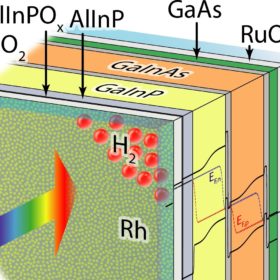
New solar water-splitting cell demonstrates 19.3% efficiency, increasing longevity significantly
The cell uses a novel approach that increases its conversion efficiency and longevity at the same time. Researchers claim it is a new world record for this type of application and highlight its importance in storing renewable energy in hydrogen to compensate for output and demand fluctuations.
Power2U energy management platform launched in Sweden
InnoEnergy has launched its energy management platforms with local partners in Sweden. The platform would help integrate renewable energy resources through battery storage management algorithms. An expansion into other markets is planned already.
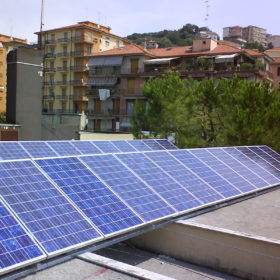
EU: No charges for PV self-consumption up to 30kW
EU member states have reached a consensus regarding the prohibition of discriminatory taxes for self-produced energy, in negotiations on the renewable energy directive. The indiscriminate regulation covers systems of up to 30 kW capacity. Furthermore, double taxation through the additional charges on energy storage is to be avoided.
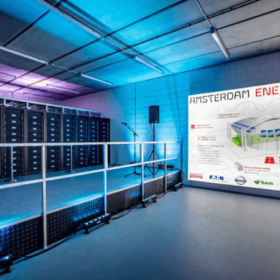
Nissan commissions 3 MW storage system at Amsterdam’s Johan Cruijff Arena
The project – the largest storage system using second-life and new electric vehicle batteries installed at a commercial building in Europe to date – was developed in partnership with Eaton, BAM and The Mobility House. pv magazine was present at the commissioning ceremony.
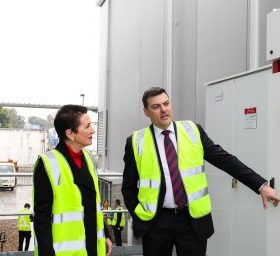
Big storage goes metro: Tesla supplies 500 kWh to City of Sydney
The City of Sydney has installed the first large scale battery storage system to be located within the Sydney metropolitan are. Transgrid and the City collaborated on the project, which sees 500 kWh of batteries coupled with around 450 kWp of rooftop PV.
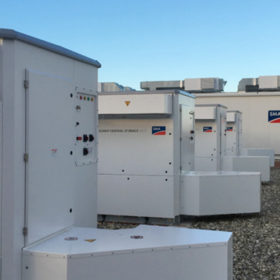
SMA delivering equipment to grid storage facility in the UK
The German-based company delivered 26 battery inverters for lithium-ion storage with a capacity of over 50MWh. The facility is one of the largest of its kind and will provide reserve capacity to compensate for deviations in the power supply.
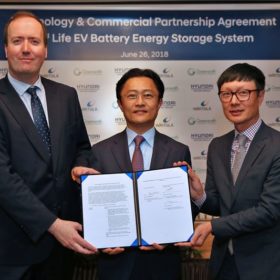
Wärtsilä, Hyundai ink agreement on second-life EV batteries for grid storage – comment
Finnish-based energy-solution provider, Wärtsilä has signed an agreement with automobile producer, Hyundai Motor Group to establish a commercial partnership for the use of second-life electric vehicle (EV) batteries in storage solutions.
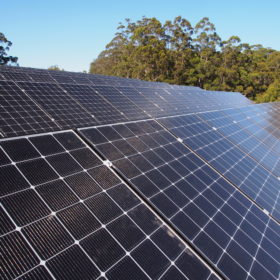
Off-grid in Australia: Unlimited Energy and Tesvolt discuss their award-winning project
German battery manufacturer, Tesvolt and EPC Unlimited Energy won the Smarter E award last week, for their innovative off-grid solar plus storage project in South Western Australia. The project demonstrates how solar can provide a reliable energy supply without back up from the grid, and why it is set to spread around the world even faster than many predict.
