
Viessmann unveils ground-source heat pump for space, water heating
Viessmann has developed a heat pump for residential applications that can produce between 5.8 kW to 10.4 kW of heat. It has the capacity to heat 220 liters of domestic water, with a coefficient of performance (COP) of up to 4.8 for space heating and 3.14 for water heating.
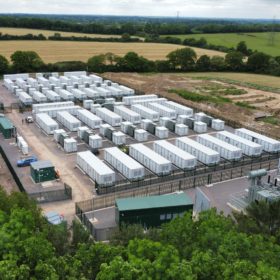
UK power capacity auctions turbocharging battery storage sector
Battery energy storage saw a major increase in contracted capacity in British auctions this year, with many utility-scale projects securing long-term deals. The business case, however, is not as strong for all storage durations.
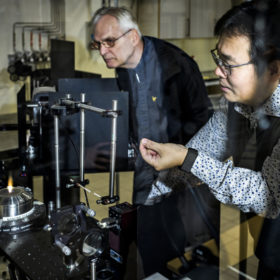
Storing solar power by incinerating metals
Scientists in Sweden have proposed the use of excess wind and solar power to incinerate metals such as aluminum and iron, in order to produce heat that could be used to generate electricity or hydrogen.
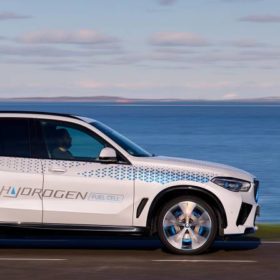
The Hydrogen Stream: BMW unveils hydrogen car demonstration fleet
BMW has launched its iX5 Hydrogen vehicle pilot fleet, with plans to start production by the end of the decade. Everfuel and Hy24, meanwhile, have launched a joint venture to accelerate hydrogen development in Scandinavia.
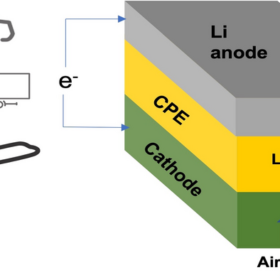
Lithium-air battery with solid electrolyte
US researchers have developed a new lithium-air battery with solid electrolyte and the potential to reach a record energy density that is nearly four times that of lithium-ion batteries. The test cell demonstrated stability over 1,000 charge and discharge cycles.
Australian startup buys Britishvolt
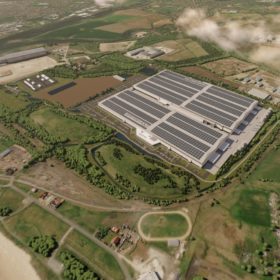
Startup Recharge Industries has acquired collapsed battery producer Britishvolt, just weeks after announcing plans to build a lithium-ion battery gigafactory in Australia.
India tenders 1 GW of pumped hydro storage, 200 MW of solar
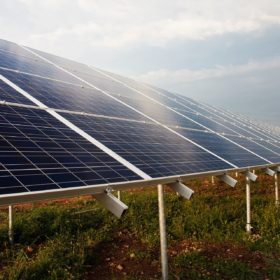
Karnataka Ltd. has started accepting bids to develop up to 1 GW of pumped hydro storage, while Assam Power Distribution has revealed plans to procure 200 MW of PV capacity.
New thermal battery offers fast, efficient performance at low cost
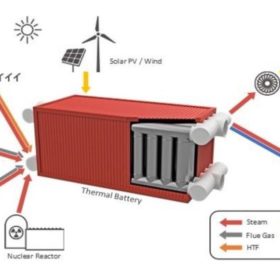
US engineers have built a scalable thermal energy storage prototype system that combines the best latent and sensible heat transfers. The technology, which is now market-ready after three years of testing, consists of engineered cementitious materials and thermosiphons in a combination that enables fast, efficient thermal performance at low cost.
New lithium iron phosphate battery for residential solar applications
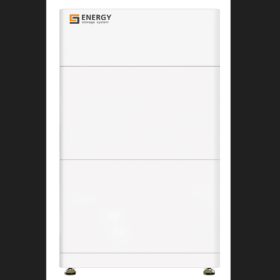
China’s GS Energy has developed a new lithium iron phosphate battery system with a nominal voltage of 96 V. It says that up to five 3.74 kWh modules can be stacked and connected in series for a total capacity of 18.7 kWh.
South Africa introduces rebate scheme for rooftop PV
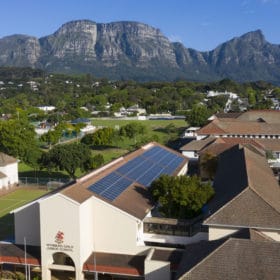
South Africa’s new rebate program for private rooftop solar arrays has a budget of ZAR 4 billion ($216.7 million). It does not cover inverters, battery storage systems, or installation costs. However, some industry analysts have already criticized the scheme for failing to fully address the country’s load-shedding problem.
