
Developer Avaada raises $145m to fund 2.4 GW of Asian and African solar
Indian developer Avaada Energy has raised the funds from the Asian Development Bank and European development institutions. The PV business will finance 2.4 GW of the 5 GW of solar capacity it hopes to secure over the next two years.
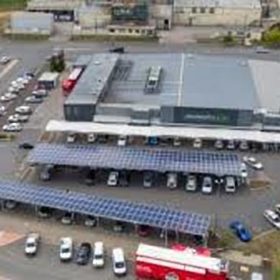
Woolworths becomes world’s first retailer to issue green bonds
The Australian supermarket giant is issuing green bonds to fund the development of low-carbon supermarkets and the installation of solar at its stores and distribution centers.

Hanergy plans to roll out industrial park development outside China
The Chinese thin film giant has transformed itself into a solar manufacturing equipment supplier and is set to expand a strategy which sees affiliates help fund industrial parks which then generate orders for its thin film production lines.
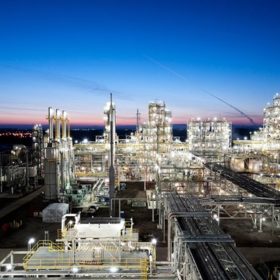
REC Silicon raises $20 million through private placement
The polysilicon maker said it will use the funds to improve its liquidity situation until access to the Chinese polysilicon market is restored. It sold 254,381,870 shares, which corresponds to approximately 9.9% of its oustanding capital.
Solar investment mostly up on venture capital and debt as money pours into large scale projects
Mercom Capital Group’s Q1 2019 Solar Funding & M&A report has registered $2.8 billion in venture capital, public market and debt financing, up from $2.5 billion a year ago. Large scale project financing reached a record $5.58 billion across 43 deals and there were 18 solar corporate M&A transactions.

Inverter maker offered customer €50 for replacement product which would have carried ‘thousands of euros’ of associated costs
Often, it is not inverter faults that frustrate customers – such things happen – it is poor customer service. Here we look at the first of a series of cases that will be discussed at the pv magazine quality roundtable planned for Intersolar Europe, in Munich, which indicates what the industry must avoid in future.

Croatian utility announces 350 MW solar expansion plan
After issuing its first call for renewable energy projects in February, power company HEP has now announced it will invest $23 million annually in solar until 2023, to add new capacity additions of 20 MW per year. The 350 MW plan is expected to be complete in 2030.
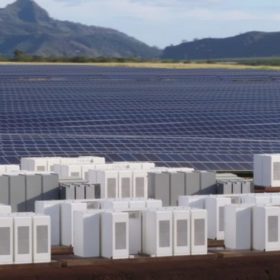
Storage set to come of age in the next five years
The transition for utility scale storage from offering short duration, high value grid services to the world of long duration energy peaking could spell the end of fossil fuel backup generation within five years.
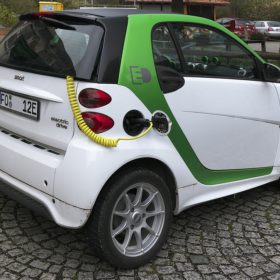
Italy offers incentives for EVs
A budget of €60 million has been allocated for this year, in 2020 and 2021 it will rise to €70 million. Applications for the incentives can be submitted from today.

Four takeaways from Solarex
All the fundamentals are in place for Turkey to be a leading light in solar but an all-too-familiar lack of policy certainty, coupled with a troubled macroeconomic backdrop, mean the nation is still unable to realize its PV potential.
