
Pexapark notes significant increase in European PPAs in October
Swiss-based analytics firm Pexapark recorded 30 power purchase agreements (PPAs) in Europe in October totaling 2.06 GW of contracted capacity, the highest monthly volume reported so far this year.
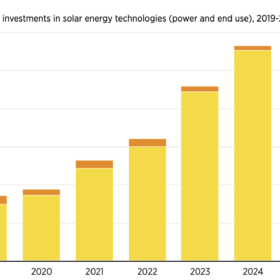
IRENA says $554 billion invested in solar technologies in 2024
The International Renewable Energy Agency (IRENA) says solar is the only renewable energy technology where current investment levels are approaching the annual average needed through to 2030 to align with its 1.5 C pathway.
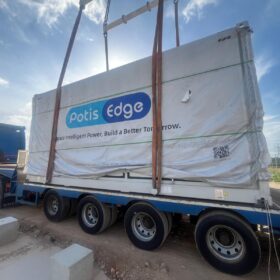
A late but decisive move to ESS: LONGi takes majority control of PotisEdge
China’s largest solar manufacturer seeks to escape shrinking margins by securing 62% voting control of a fast-rising storage integrator.
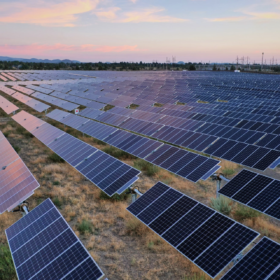
US solar developer Pine Gate Renewables files for bankruptcy
Pine Gate Renewables says it has filed for Chapter 11 protection as part of a court-supervised sales process aimed at restructuring its 10 GW (DC) development pipeline and preserving operations.

Three emerging structures for solar-plus-storage PPAs
The PPA price for pure photovoltaic projects has fallen by 20% over the past year, making such contracts less competitive. However, clear structures for bankable hybrid PPAs are now beginning to take shape, says Pieter van der Meulen, Senior Account Manager at LevelTen Energy, in an interview with pv magazine.

Ukraine amends loan scheme for home, hybrid solar installations
Ukraine is changing its state support mechanism for households installing hybrid renewable energy systems to a one-time, 30% reimbursement of the principal debt. The Ministry of Energy says the change will help increase access to hybrid power supply systems.
Watch: Industry leaders on how distributed solar solves the U.S. power crisis
The finale of pv magazine USA Week 2025 promises an in-depth exploration of the most immediate, versatile solution to America’s escalating energy demands and rising electricity rates: distributed energy.

Key takeaways from RE-Source 2025: Complexity grows in PPA market
After a record year, the European power purchase agreement (PPA) market has declined sharply. At an industry gathering this week in Amsterdam, participants highlighted rising PPA complexity and potential solutions, including how to handle negative prices in solar PPAs and the move toward hybrid PPAs with battery storage.

IFC plans investment in 97 Nigerian minigrids
International Finance Corp. (IFC) plans up to $16 million in financing for Nigerian developer Virtuitis to build and operate 97 solar minigrids, connecting more than 140,000 off-grid consumers by 2027.
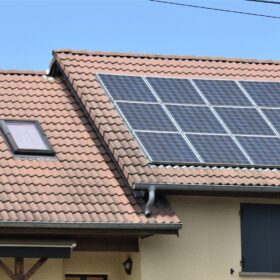
Uzbekistan expands solar home subsidy uptake to over 35,000 households
More than 35,000 households in Uzbekistan received state subsidies for exporting surplus electricity from rooftop solar systems between January and September, says the State Tax Committee, as participation in the Solar Home program accelerates nationwide.
