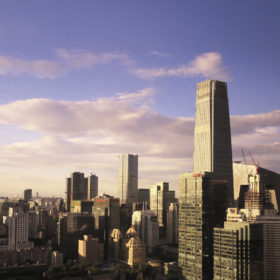
China installed 920 MW of household solar last month
Hopes are high up to 5 GW of residential solar capacity will have been added by the time this month’s figures are added, as the household solar feed-in tariff still applies – but only until Thursday. However, the AECEA consultancy has again revised down its overall new capacity expectation for the year.

Eswatini 40 MW solar tender attracts 13 approved bidders
The regulator received 26 proposals overall for a project intended to make the kingdom less dependent on power imports from troubled South African utility Eskom.
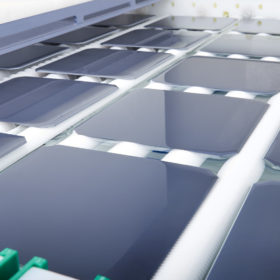
German supplier fields orders for 10 GW of PERC cell production lines in three months
RENA Technologies may struggle to feed the insatiable demand for production capacity in China fast enough and has welcomed orders worth ‘tens of millions of euros’ from three big clients.
Kalyon Enerji finds Chinese partner for 500 MW module fab in Turkey
The factory, backed by the Turkish government in September, was originally intended to be built with the support of Korean solar manufacturer Hanwha Q Cells. The new partner is China Electronics Technology Group Corporation (CETC). Production is planned to start next year.
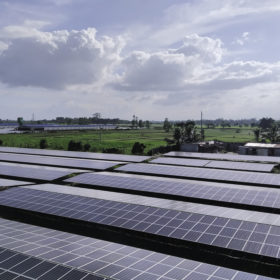
Bangladesh extends incentive scheme for domestic solar industry
PV manufacturers receive 10% of the value of their exported products as an incentive and the nation’s central bank has extended the program to cover this financial year. Bangladesh’s solar manufacturers have called for more, however, and point to more generous schemes to the west.
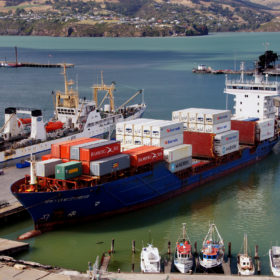
Runergy plans another 6 GW of mono PERC manufacturing capacity by 2022
The fact solar manufacturers in China are still aggressively expanding output illustrates the strength of global demand for PV even as hopes for a rebound in Chinese installations appear to have been groundless.
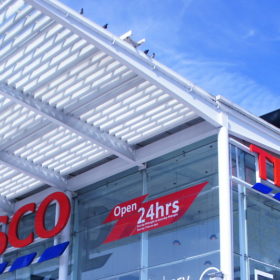
EDF secures a slice of UK supermarket Tesco’s corporate solar plan
The French energy giant will provide supermarket Tesco with electricity from 17 rooftop PV installations and two wind farms for a renewables portfolio generation capacity of 59 MW. The groceries retailer has announced plans to install 187 solar rooftops.
Is Eskom turning to solar?
The South African utility has issued a 20-strong tender for 50 kW solar inverters and mounting structures, to be used in four power plants. Although it is unclear whether the tender marks the energy company’s first step into solar energy, the procurement follows the recent publication of South Africa’s Integrated Resource Plan. Eskom is reportedly developing a renewables-linked large scale storage project which may explain the need for inverters.
Four out of five fossil fuel giants dismiss findings of report into EU lobbying efforts
Exxon Mobil and BP did not produce figures for their clean energy investment activity and Total responded only with its ‘low carbon electricity’ spending. Shell stated it had invested €1.6 billion in clean energy from late 2016 up to June and Chevron gave details of its spending to reduce emissions and enable ‘greater diversity of energy sources’.

Afghanistan kicks off tender for another 40 MW solar project
The facility will be developed under the World Bank’s Scaling Solar initiative on a public-private partnership basis in Herat province.
