
ACWA Power offers African record low $0.02526/kWh for Ethiopian projects
Ethiopia has concluded the tender process for the first round of its Scaling Solar program. The winning bid is the lowest in the continent to date, according to the finance ministry.
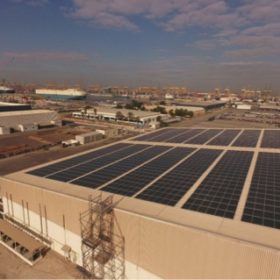
Dubai has 106 MW under net metering
Most of the generation capacity – around 63 MW – was deployed in the emirate over the last 14 months.

Colombia imposes renewables quota on power distributors
The obligation will be applied annually from 2022. The clean electricity required will have to be bought through power purchase contracts of at least 10 years’ duration.
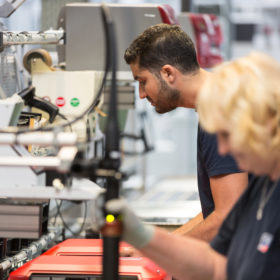
SMA: ‘We can’t be credible if we’re not sustainable’
Credibility comes not just from offering products that generate clean electricity, but also from the way in which those products are manufactured, says SMA Solar Technology CEO Jürgen Reinert. Here, transparency and sustainability are key. That’s why one of the world’s largest PV inverter producers has partnered with pv magazine’s UP sustainability initiative. In the following Q&A, Reinert lays out what SMA is doing to step UP its green game.
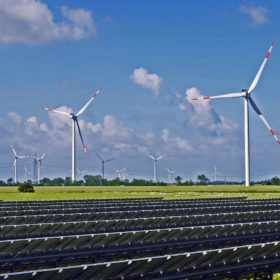
Dutch government seeks to privatize Tennet
Tennet needs more than €4.75 billion to invest in cross-border grid infrastructure between Germany and the Netherlands, as rising volumes of solar and wind are complicating network operations, said Dutch Finance Minister Wopke Hoekstra in a recent letter to the Dutch parliament, adding that the government may need to privatize the state-owned transmission system operator or sell off a stake in it.
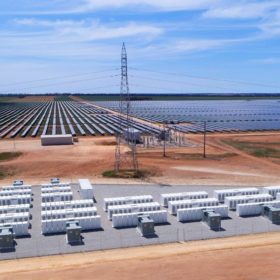
Australia’s AEMO radically curtails output of five large solar farms
The Australian Energy Market Operator constrained the output of several large-scale solar plants by 50% on Friday, in response to voltage fluctuations in a 220 kV network spanning the states of Victoria and New South Wales.
India’s SECI to supply 1.3 GW of clean power through recent deals
With India’s power minister hinting that a new renewable energy tariff policy could be in the works, the federal agency responsible for solar has started boasting about the volume of clean power it has in the pipeline.

Solar microgrid to power Australian industrial park
A consortium led by gas network owner Enwave Australia is developing Australia’s first industrial renewable energy microgrid at a new 120-hectare business park in Nambeelup, Western Australia.

IRENA and the UN ink agreement to combat desertification with renewables
A memorandum of understanding signed by the institutions was not solar specific but the use of PV modules for shading, especially in agriculture, can reduce water consumption and help halt the expansion of deserts.

Sweden increases budget for solar incentives by $48m
Funding for the rebate scheme had already been increased in April. Overall, the budget for this year now amounts to almost $125 million.
