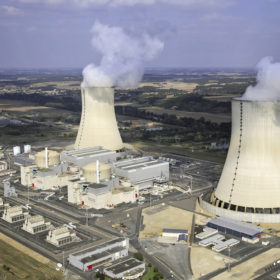
Nuclear: A poor investment strategy for clean energy
Study claims that investment in a new 1GW nuclear power plant leads to average losses of approximately 4.8 billion euros. It further argues that the technology’s dangerous radioactivity emissions and proliferation risks do not qualify it as a ‘clean’ energy solution to be considered for addressing climate change. Yet still, governments are incorporating the technology into clean energy plans around the world.
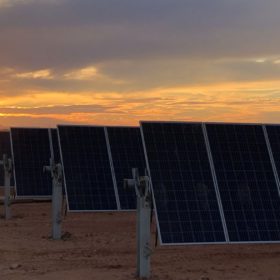
More big PV Down Under, as South Australia’s wind and solar pipeline swells to 10 GW
With the approval for a 176 MW solar farm and 66 MW battery storage facility near Murray Bridge, South Australia’s utility-scale wind and solar pipeline has reached some 10 GW.

New-look auctions fire up Brazil
Next up in pv magazine‘s unsung solar markets series is Brazil, where a new series of auctions for solar has provided much needed clarity to the sector, at least up until 2021.

Myanmar issues tender for rooftop PV
The nation is targeting an unspecified capacity of solar PV systems to be installed on households and public facilities across several of its regions. The successful projects will be jointly financed by the World Bank and the government of Myanmar.

Putting China’s electricity market reforms on the spot
A report by the U.S.-based Rocky Mountain Institute has modeled scenarios for the deregulation of electricity markets in China. The report finds the implementation of a spot market would drive increased integration of renewables and provide significant reductions in costs and emissions.
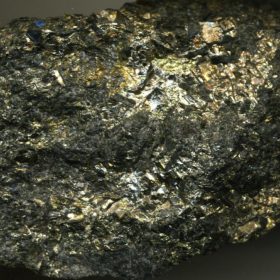
‘Investment in nickel production needs to happen now’
Rather than helping electric vehicle take-up by driving down costs to parity with traditional engines, the low price of nickel at the moment is deterring investors and could cause a supply shortage that holds back electromobility in a few years’ time.
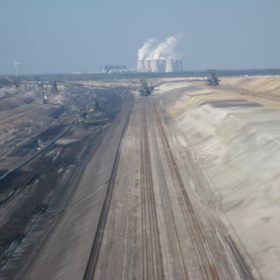
EU coal regions could deploy 730 GW of PV while retaining employment rates, study finds
A study performed by the Joint Research Center of the European Commission has identified serious solar potential in Europe’s coal regions. According to the study, the transition to PV would also allow for similar full time employment equivalents as that of the coal industry.

Ecuador to kick-off 500 MW renewables auction
Through the procurement exercise, the Ecuadorian government will select wind, solar and mini hydropower projects. Selected developers will be granted a 25-year PPA, while the sole off-taker of the generated energy will be state-owned utility Corporacion Electrica de Ecuador, S.A. (CELEC).
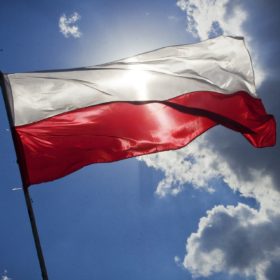
Poland launches €235 million solar rebate program
The Mój Prąd scheme will be open to residential rooftop PV projects ranging in size from 2 kW to 10 kW. Furthermore, the Polish Parliament approved a new act that will allow for the wind and solar auctions planned for this and next year to move forward.

Embattled Singyes Solar outlines debt restructuring plan
The project developer and BIPV maker wants creditors to agree to postpone settlement of their debts for three years and will offer a financial incentive – provided a proposed Chinese state-backed bailout is voted through by its shareholders.
