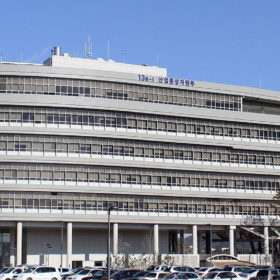
South Korea to raise renewables target to 129 GW by 2040
Under the South Korean government’s new strategy, renewables would cover up to 35% of total power demand by 2040. The government sees the potential to deploy up to 235 GW of solar and wind, but cites a lack of land and relatively low solar radiation as factors that could hinder growth.

The prospects for solar after the Indian elections
Narendra Modi’s BJP party is seeking re-election with the aim of ensuring the electrification of all railways by 2022 and turning renewable energy into a popular movement with steps including an emphasis on solar farming. Even if the elections spring a surprise, however, the renewable momentum is unlikely to slow as no government can afford to roll back the clean power tide.
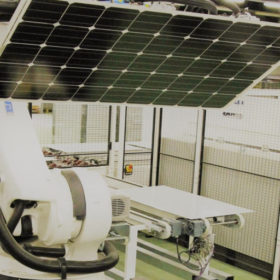
Recom to install 20 MW of new solar in Cyprus this year
The French manufacturer and EPC company says it is building a 4.5 MW solar farm in the country as part of a commitment to Cypriot PV in 2019.
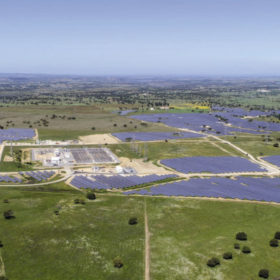
The weekend read: European solar comes of PPAge
From scorching Seville to rainy Rostock, investors claim that power purchase agreements (PPAs) have made European solar farms bankable without government subsidies. By providing lower risk for cheaper capital, they are powering a renaissance in established PV markets and lowering the cost of solar electricity in Europe.
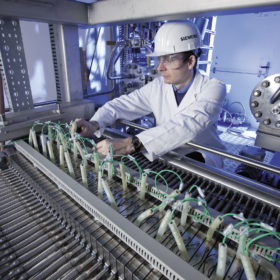
The what and when of P2G
Often touted as the missing link in the energy transition, power-to-gas (P2G) has not yet had its time to shine. While the technology has been around for decades, large-scale projects have been exceptionally rare. Over the last year, however, encouraging signals are emerging as research, pilot projects, and small-scale applications appear to have picked up pace. As debate continues about the tipping point for P2G in terms of conversion efficiency and costs, some market players are optimistic about near-term prospects.
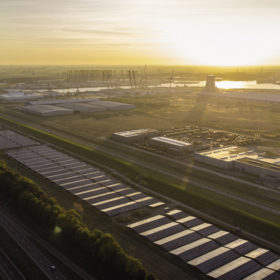
The Netherlands: PV’s Iron Throne
While relatively small compared to its more populous neighbors, the Netherlands has a history of punching above its weight. This is certainly true of its solar market in 2019, writes Rolf Heynen from Dutch New Energy Research. And for companies awake to the nuances of its policy settings and market opportunities, The Netherlands could prove a jewel in the European solar crown.
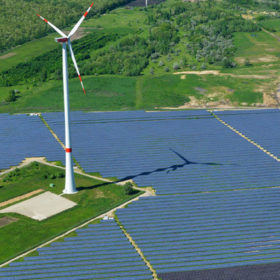
Solar once again the only winner in German renewables auctions
In the first round of this year’s mixed wind and solar tender there were only bids for PV projects. Some 18 projects with a combined capacity of 210 MW were selected and the final feed-in premium tariffs were almost the same as those seen in the previous round, with the average price slightly higher.
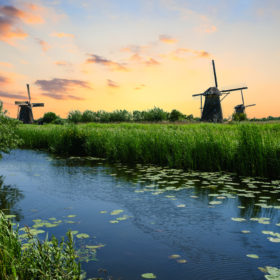
Global renewables R&D will further drive down energy transition cost
The Netherlands’ Organisation for Applied Scientific Research says renewables would not only contribute to a cheaper energy system but would also create more opportunities for new business, exports and jobs – as well as a cleaner environment.
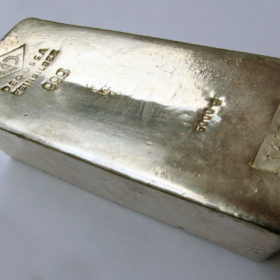
UK researchers warn of potentially rising silver costs
A study has highlighted that the two growth phases of solar panel manufacturing – after the 2008 global downturn and again after 2011 – coincided with higher prices for the precious metal.
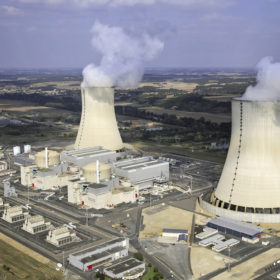
“There is no such thing as a zero or near-zero-emission nuclear power plant”
Stanford professor Mark Z Jacobson has said new nuclear plants may cost up to 7.4 times more than wind and solar facilities, with construction times longer by up to 15 years. Such a delay, he said, may see an huge amount of extra carbon emissions from fossil fuel power sources. His verdict comes as China this month set new guaranteed tariffs for nuclear power.
