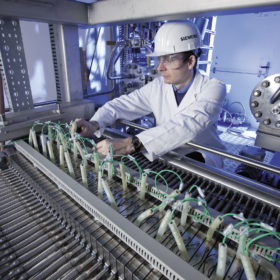
The what and when of P2G
Often touted as the missing link in the energy transition, power-to-gas (P2G) has not yet had its time to shine. While the technology has been around for decades, large-scale projects have been exceptionally rare. Over the last year, however, encouraging signals are emerging as research, pilot projects, and small-scale applications appear to have picked up pace. As debate continues about the tipping point for P2G in terms of conversion efficiency and costs, some market players are optimistic about near-term prospects.
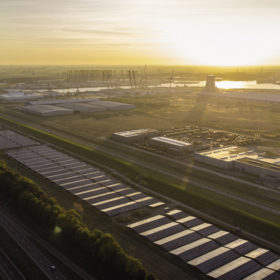
The Netherlands: PV’s Iron Throne
While relatively small compared to its more populous neighbors, the Netherlands has a history of punching above its weight. This is certainly true of its solar market in 2019, writes Rolf Heynen from Dutch New Energy Research. And for companies awake to the nuances of its policy settings and market opportunities, The Netherlands could prove a jewel in the European solar crown.
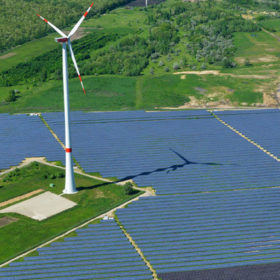
Solar once again the only winner in German renewables auctions
In the first round of this year’s mixed wind and solar tender there were only bids for PV projects. Some 18 projects with a combined capacity of 210 MW were selected and the final feed-in premium tariffs were almost the same as those seen in the previous round, with the average price slightly higher.

Global renewables R&D will further drive down energy transition cost
The Netherlands’ Organisation for Applied Scientific Research says renewables would not only contribute to a cheaper energy system but would also create more opportunities for new business, exports and jobs – as well as a cleaner environment.
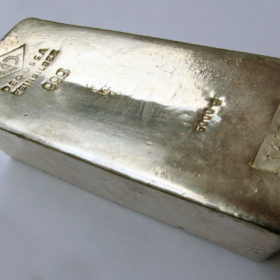
UK researchers warn of potentially rising silver costs
A study has highlighted that the two growth phases of solar panel manufacturing – after the 2008 global downturn and again after 2011 – coincided with higher prices for the precious metal.
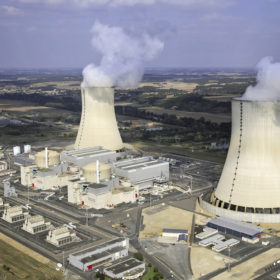
“There is no such thing as a zero or near-zero-emission nuclear power plant”
Stanford professor Mark Z Jacobson has said new nuclear plants may cost up to 7.4 times more than wind and solar facilities, with construction times longer by up to 15 years. Such a delay, he said, may see an huge amount of extra carbon emissions from fossil fuel power sources. His verdict comes as China this month set new guaranteed tariffs for nuclear power.
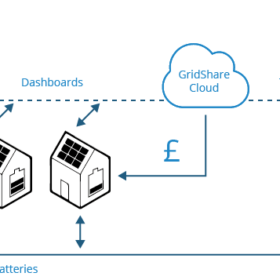
Moixa to build virtual power plant as first phase of UK smart energy project
The storage supplier will set up a mixed-asset virtual power plant that will initially aggregate up to 2 MW of capacity as the first phase of a planned smart local energy system in southern England. Moixa aims to eventually scale the VPP up to 17 MW.

Longi plans two new production lines in China’s PV heartland
The solar manufacturer has revealed plans to invest around $875 million in production capacity for monocrystalline ingots, wafers and cells – and expects to raise a chunk of the cost with a shares issue this week.
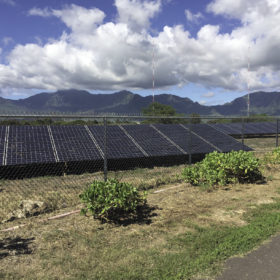
Battery group unveils online map of global storage installations
The Consortium for Battery Innovation has produced an interactive, online map highlighting the location of lead-battery storage installations worldwide.
App mobility service to add 300 e-buses in India by 2020 as utility pledges to go all-electric by 2030
Mobility company Shuttl will also set up more than 50 EV charging points in prime locations and state-run power distributor BSES Rajdhani Power Limited will invest in testing facilities to support stabilizing the grid for EV charging, as well as pilot schemes on effectively integrating renewable electricity into its network.
