The weekend read: On track for broader horizons
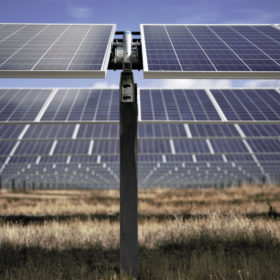
The global vertical integration of the PV tracker industry is accelerating, as players seek to build organizations that can provide manufacturing and support in multiple markets simultaneously. These partnerships tend to connect intellectual property assets with global manufacturing capability and construction and engineering teams that have the financial wherewithal to pursue international markets. The trend also is driving product line expansion, as in the case of Nextracker’s offering of energy storage as an integrated part of its tracker design.

US: Utilities seek greater fees on customers who go solar
The latest report from North Carolina Clean Energy Technology Center finds a surge in proposed fees for distributed generation solar customers, as increasingly complicated structures are proposed to replace net metering.
A new trade show comes to Mexico
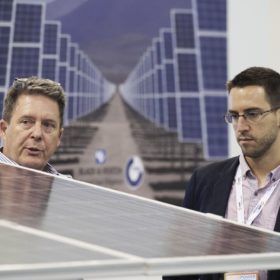
The recent growth of the Mexican PV market, as well as the positive outcomes the country’s energy reform has achieved, is being complimented by the launch of a new trade fair dedicated primarily to the Mexican PV sector.

Ingot, wafer prices dropping; market momentum needed
Polysilicon and wafer suppliers are still struggling with oversupply and low demand. Tier 1 raw material manufacturers have signed their October orders, but further down the food chain, companies are still waiting for bites. Overall, prices on the cell and module level are in slight decline, although prices for ultra-high efficiency modules have climbed by a small margin, on the back of increased demand.
‘We have proven that software is the essential link on grids’ – Greensmith interview
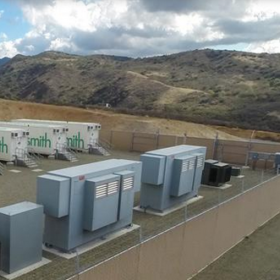
Following the launch of Greensmith Energy’s new Gridsolv standardized storage solution, which integrates software helpers and standardized architecture for easy installation, pv magazine caught up with CEO John Jung to discuss the state of the storage market and the role of digital services.

Asian market to see 355 GW of solar over five years, despite policy challenges
Despite political hurdles in key markets including China, India and Japan, Asia remains highly active. This year, 59 GW of solar is expected to be installed and due to further system price declines, a phase-out of subsidy schemes can be offset.

Enel begins construction on 127 MW of PV in Spain
Construction has begun on three solar plants in the Extremadura region, with a total capacity of 127 MW. The projects – expected to be in operation by the end of 2019 – were awarded to Enel in Spain’s third renewables auction, and involve a total investment of close to €100 million.

REC Silicon posts loss for second quarter running amid poly market slump
The Norwegian polysilicon producer posted an EBITDA loss of $6.1 million for the third quarter of 2018, as it continues to struggle with low demand and prices. Revenue for the company’s solar materials segment fell almost 70% on the previous quarter.

Subsidy windfall helps GCL Poly eat into debt mountain
The Chinese manufacturer – which is gambling on a big rebound in global appetite for the raw material for PV panels materializing soon – will devote all of its $143m solar subsidy income to paying off a daunting amount of borrowing.
The reasons India’s 10 GW solar tender will not attract big developers
Big players such as Acme, ReNew, Adani, Azure, Hero Future and Aditya Birla Solar are likely to stay away from procurement which requires 3 GW annual manufacturing commitment, says industry insider Gopal Lal Somani.
